1. Korean dialect 2️⃣ Gyeongsang-do Dialect
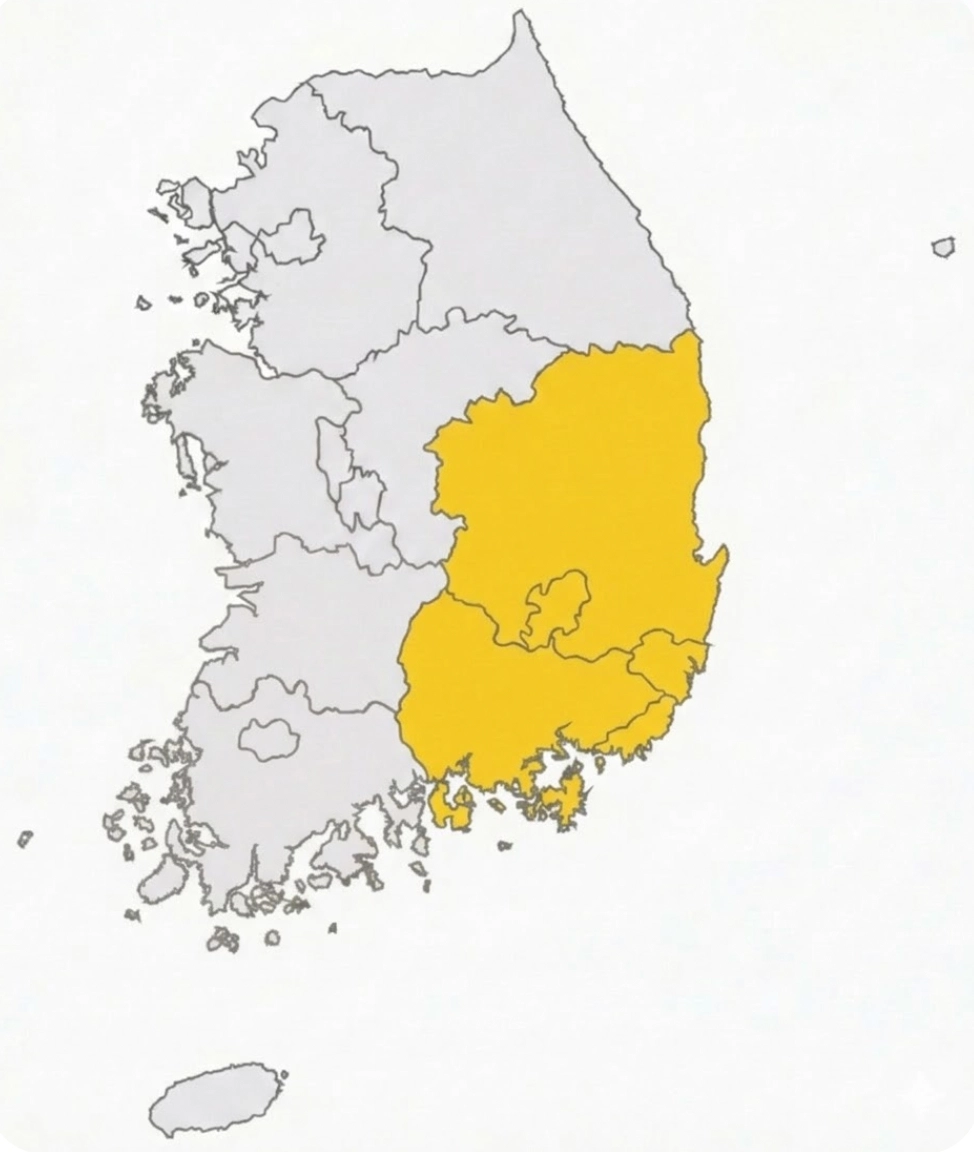
Gyeongsang-do is located in the southeastern region of South Korea. It is situated in the southeast of the Korean Peninsula, with its eastern side bordering the East Sea. Gyeongsang-do is divided into two provinces: Gyeongsangbuk-do and Gyeongsangnam-do. Additionally, Busan, Daegu, and Ulsan Metropolitan Cities are also part of the Gyeongsang region.
2. Famous Attractions in Gyeongsang-do
- Gyeongju-si: A city famous for historical relics of the Silla Dynasty. It is home to Bulguksa Temple and Seokguram Grotto.
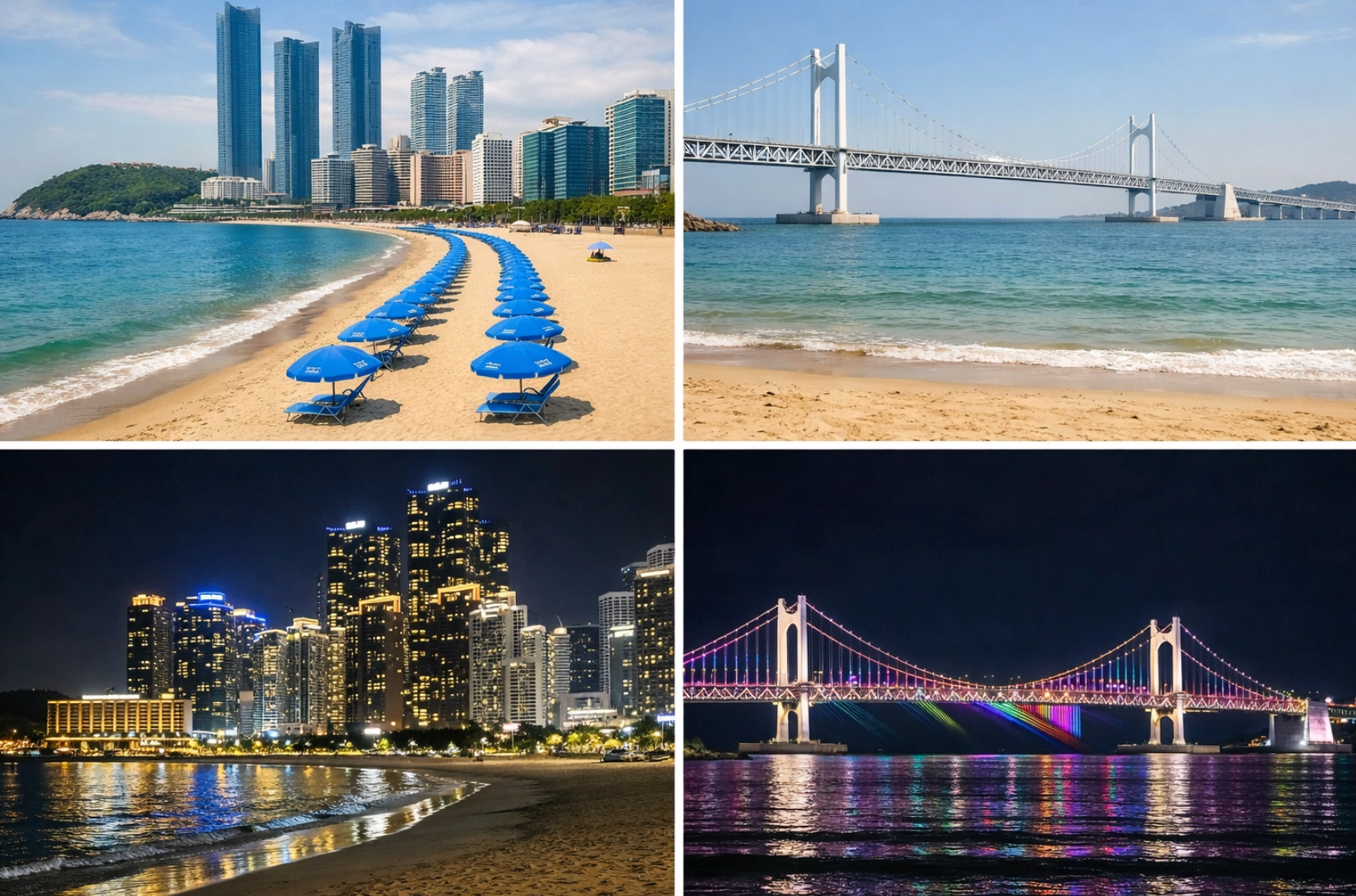
- Busan Metropolitan City: South Korea’s representative maritime city. Haeundae Beach and Gwangan Bridge are very famous.
- Daegu Metropolitan City: A city famous for its traditional markets and modern culture. Seomun Market and Apsan Observatory are popular spots.
- Tongyeong-si: A city famous for its beautiful islands and seascape. Dongpirang Mural Village and Hallyeosudo Waterway are well-known.
- Andong-si: A city famous for traditional Confucian culture. Hahoe Village and Dosanseowon Confucian Academy are iconic landmarks.
3. 경상도 사투리 (Gyeongsang-do Dialect Words)
 (Jeong-gu-ji): A fragrant vegetable used as an ingredient for kimchi or pancakes.(chives) (Standard:
  )
) (Jji-jim-i): A dish made by mixing ingredients into a flour batter and frying it in oil. (Standard:
  )
) (Eo-je a-rae): A word referring to two days before today. (Standard:
  )
) (In-ja): A word indicating “from now on” or “currently.” (Standard:
  )
) (Ggyael-bat-da): A state of being unwilling to work or move. (Standard:
  )
) (Heol-bin-ha-da): A state of being empty because there are almost no objects or people. (Standard:
  )
) (Si-geu-reop-da): A state where the taste of food is sour or tart. (Standard:
  )
) (Bal-kka ju-cha-ppul-la): An expression meaning one feels like kicking something out of anger. (Standard:
  )
)