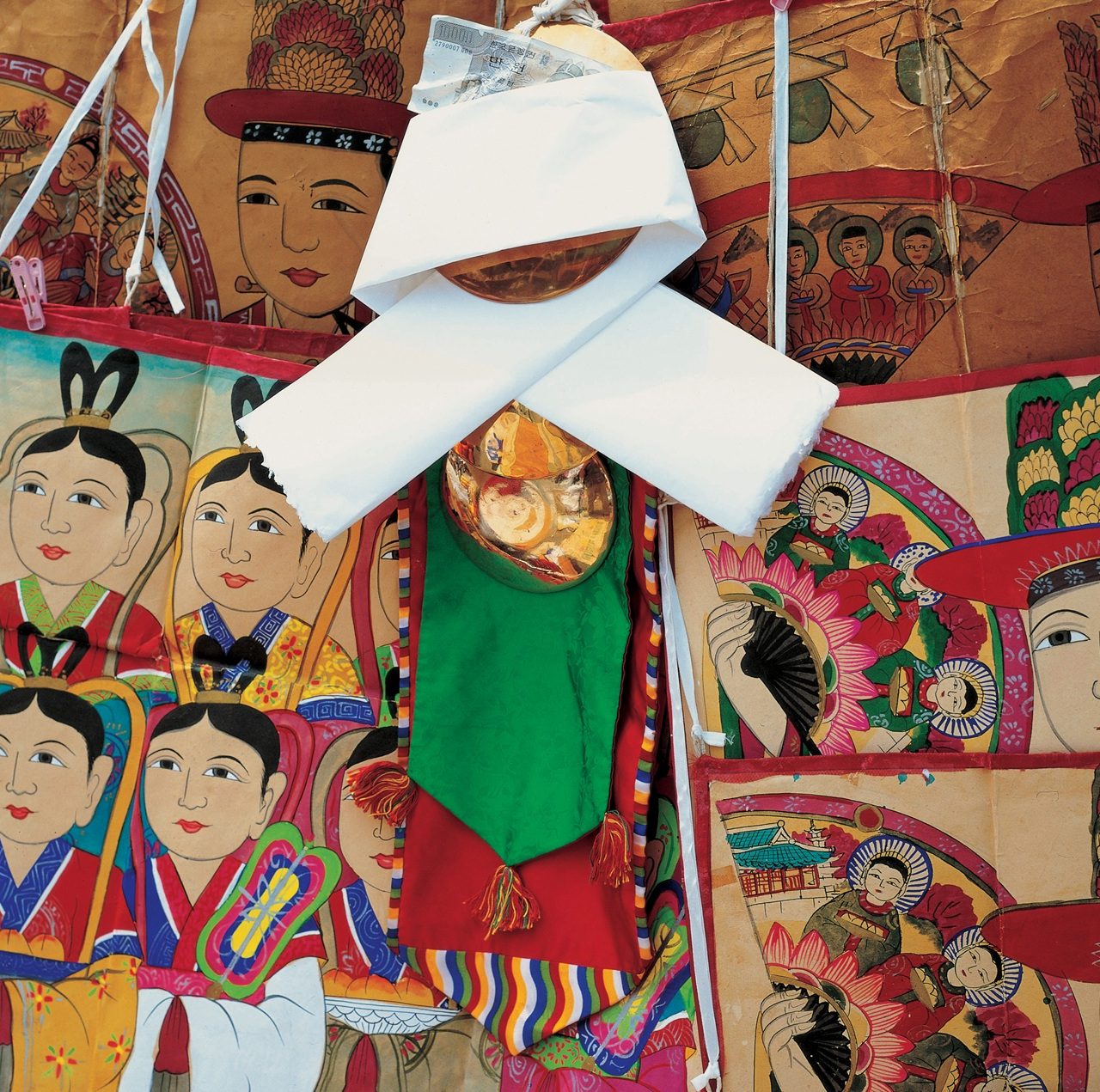
Reading the Essence of Korean Fear through Exhuma, The Wailing, Epitaph, and Gonjiam Haunted Asylum
As of 2026, one of the most powerful yet chilling keywords shaping the global content market is K occult. While our spring issue explored the lyrical warmth of Korean cinema, this summer edition moves in the opposite direction, descending into the depths of Korean horror.
While Western horror often focuses on external conflicts with supernatural forces, Korean horror draws its fear from something much closer. It emerges from the ground beneath our feet, from family bloodlines, and from the unresolved han that exists within human life.
Following the global success of the film Exhuma, fortune telling houses in Korea have experienced a significant increase in international visitors who are eager to encounter the shamanistic culture portrayed on screen.
This is no longer simply about watching something frightening. It is about understanding how Korean spirituality and history have been transformed and expressed through the language of horror.
What follows is a closer exploration of that transformation.
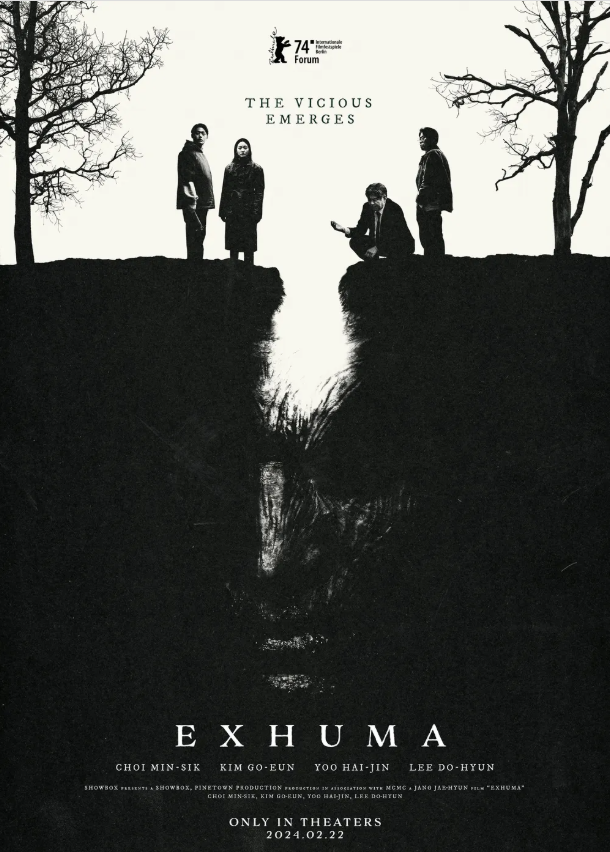
Exhuma: History Swallowed by the Earth, the Fear of Geomancy Proven as Reality
The Reality of Exhuma and Dongti
The film Exhuma draws on geomancy, known as pungsu jiri, a belief system deeply embedded in Korean cultural consciousness. In Korea, there is a long standing concern about dongti, which refers to misfortune believed to occur when ancestral graves are disturbed improperly.
To prevent this, it is customary to perform a ritual called pamyuje before exhumation. The scene in which the shaman Hwa rim, played by Kim Go-eun, conducts a ritual to protect the workers is not a fictional embellishment. It reflects an actual shamanic rite known as daesal gut.
In this sense, the horror presented in the film does not come only from imagination. It is rooted in beliefs and practices that continue to exist within Korean cultural reality.
Global Phenomenon: Shamans in Converse
The image of shamans in Exhuma performing rituals while wearing Nike or Converse sneakers is not simply a stylistic choice. It reflects the reality of modern Korean shamanism.
This striking fusion of the traditional and the contemporary, often described as hip shamanism, has spread rapidly to global audiences through platforms such as TikTok.
Today, in areas such as Gangnam and Hongdae in Seoul, fortune telling houses that provide interpretation services for international visitors are thriving.
For foreign audiences, Exhuma has become more than just a horror film. It serves as a gateway to understanding Korea’s distinctive form of spiritual business.
The Wailing: The Bait of Doubt and the Reality of Sal in Korean Shamanism
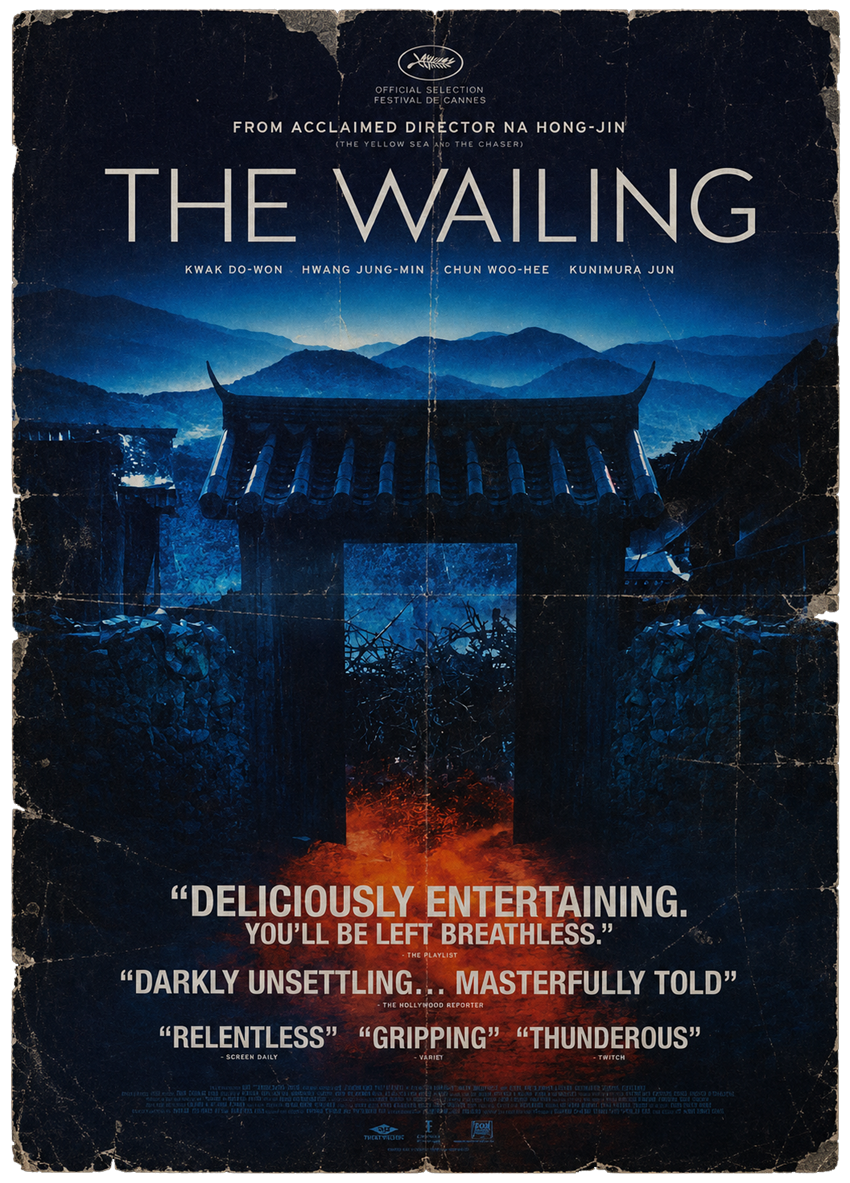
The Intensity of the Ritual and Salpuri
Director Na Hong-jin conducted extensive research with real shamans to achieve the film’s striking realism. The ritual performed by Il gwang, played by Hwang Jung-min, is often described as a curse driving ritual. It is a dramatized reconstruction of actual Korean shamanic practices such as salpuri, which refers to the release of malevolent energy, and other rites associated with curses.
The complex rhythms created by gongs and janggu are not simply cinematic devices. They are central elements of real gut rituals, where they guide participants into a trance state known as muajigyeong. This immersive rhythm acts as a powerful emotional trigger and often leads to intense emotional release among participants.
A Report on Human Fragility
The Wailing intricately weaves Korean shamanism with Christian symbolism, reflecting the diverse religious landscape of Korean society.
The film’s haunting message, “You took the bait,” cuts directly into a fundamental human vulnerability. It reveals the instinctive urge to rely on unseen forces in times of uncertainty.
Following the film’s international success, an unusual phenomenon emerged. For some global audiences, the name of Gokseong, the setting of the film, became associated with occult tourism. It drew attention as a place where fiction and spiritual imagination seem to merge.
In this way, The Wailing goes beyond conventional horror. It offers a deeply unsettling reflection on belief, doubt, and the fragile boundaries of human faith.
Epitaph: Beautifully Sorrowful, The Aesthetics of Korean Han
The Tragedy of the Japanese Colonial Era and Ansaeng Hospital
Set in 1942 Gyeongseong, which was the name for Seoul during the colonial period, Epitaph unfolds against one of the most tragic eras in Korean history, the period of Japanese occupation.
Although the hospital in the film is fictional, Ansaeng Hospital reflects the closed and Western influenced atmosphere of modern medical institutions that existed on the Korean Peninsula at that time.
At the center of the film lies han, a uniquely Korean emotional concept that refers to unresolved sorrow and injustice that can persist even beyond death. Epitaph explores with quiet intensity how this unrelieved grief takes form as ghosts, transforming emotional traces into a visible presence.
The Auditory Horror of the Mother Ghost
Among Korean horror fans, the eerie murmuring of the mother ghost is considered legendary. Interestingly, this chilling sound was largely improvised by the actress, yet its impact feels disturbingly real.
In Korean culture, ghosts are not simply viewed as malevolent beings. They are often understood as souls with unresolved stories.
Epitaph expresses this emotional perspective through horror, creating what many international viewers recognize as sad horror. In this form of storytelling, fear and empathy exist together, and terror is closely connected with deep sorrow.
Gonjiam Haunted Asylum: A Real Haunted Site and Urban Legends of the Digital Age
One of the World’s Seven Creepiest Places
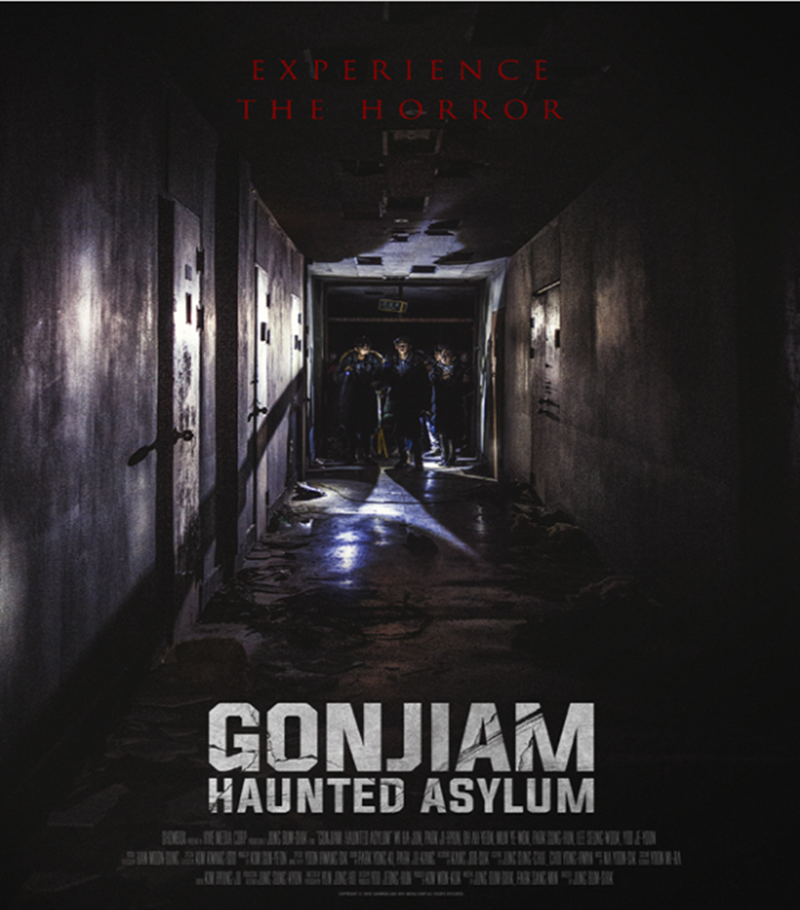
The film is inspired by the real Gonjiam Psychiatric Hospital, which gained global attention after being listed by CNN as one of the seven creepiest places in the world.
While the film itself is fictional, the rumors surrounding Gonjiam, including the story of the hospital director’s suicide, originated from urban legends that circulated widely in Korean online communities.
In reality, the building had been abandoned due to ownership disputes. However, these stories continued to spread, developed further over time, and were eventually transformed into a major cultural phenomenon through film.
High Tech Experiential Horror
Presented in the format of a live broadcast on YouTube, the film captures the essence of modern Korean society’s fascination with voyeurism and the pursuit of online attention.
Even without the presence of shamans or explicit supernatural rituals, Gonjiam creates fear through space, sound, and psychological pressure. It reflects how younger generations in Korea experience and consume horror in the digital age.
Following the film’s release, a real world phenomenon emerged. Thrill seekers began visiting the actual Gonjiam site at night, attempting to explore the abandoned building themselves.
This rise of midnight ghost hunters developed into a social issue, blurring the boundary between fiction, online myth, and lived reality.
EPILOGUE: The Courage to Confront the Monster Within Us
The one truth that runs through these four works of Korean horror, Exhuma, The Wailing, Epitaph, and Gonjiam Haunted Asylum, is clear. The true source of fear is not an external force, but the human mind itself.
The consequences of ignoring buried history as seen in Exhuma, the danger of baseless suspicion toward others as shown in The Wailing, obsession that appears as love in Epitaph, and the cruelty of turning others’ suffering into entertainment in Gonjiam, all reveal different aspects of human vulnerability.
Korean horror does more than create fear. Even after the screen fades to black, it leaves behind unsettling and deeply personal questions.
“What truths lie buried beneath the ground you stand on?”
“Can you truly take responsibility for your choices?”
This summer, if you find yourself in Korea, follow the traces left by these films. In the night streets where thousands of years of spirituality meet modern life, you may encounter an unexpected turning point in your own journey. Beyond the screen, the deeper mystery of Korea is waiting for you.
Ready. Action.
Source:
- Korean Film Council: https://www.kofic.or.kr
- Naver Movie Database: https://terms.naver.com