The Korean Sea Inscribed on Black Paper
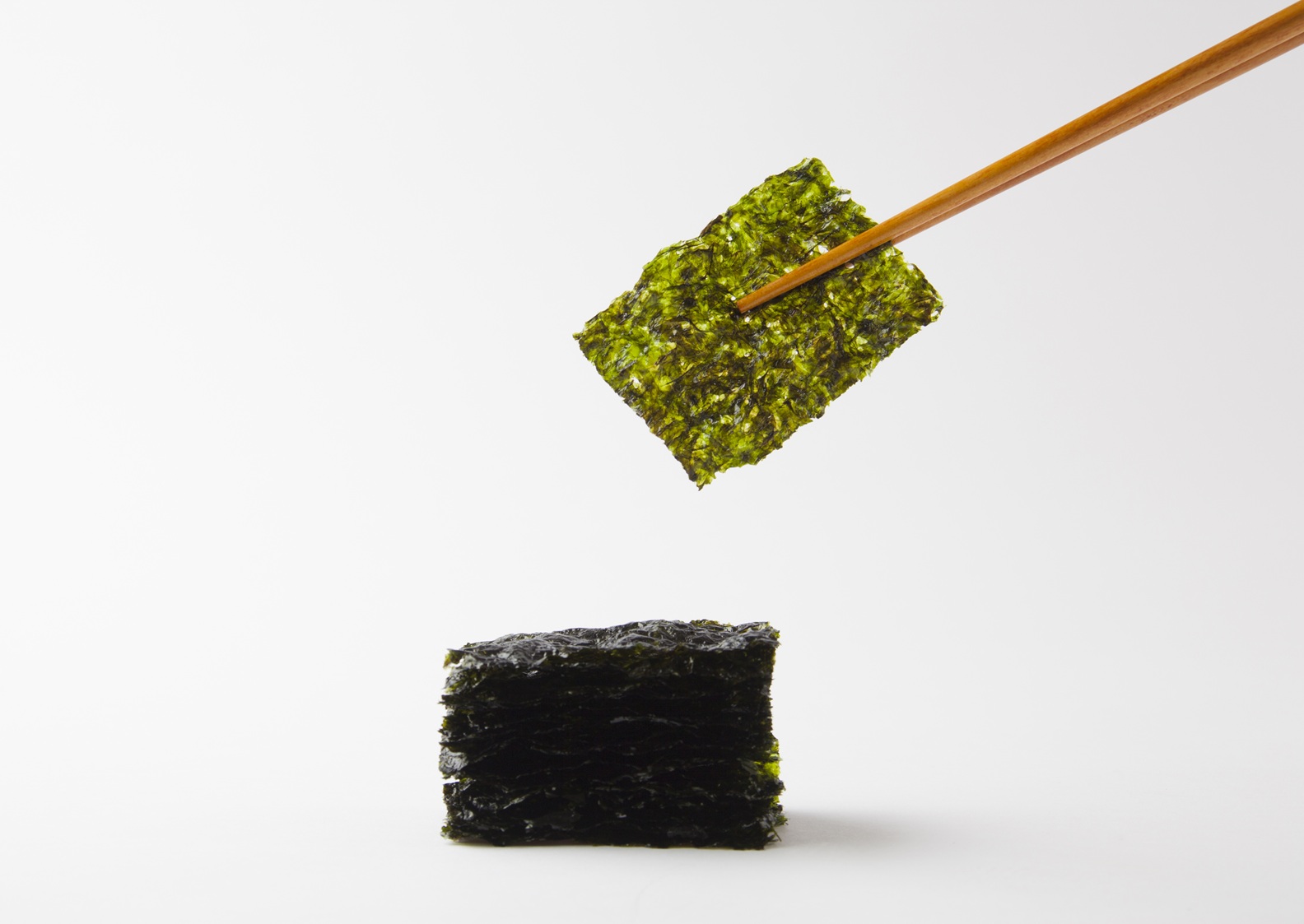
For Koreans, gim, or seaweed, is more than a simple ingredient. It is a staple of the table and an emotional connection to home. Especially in the heat of summer, when appetites begin to fade, a single sheet of gim wrapped around freshly steamed rice offers one of the most immediate and satisfying culinary experiences.
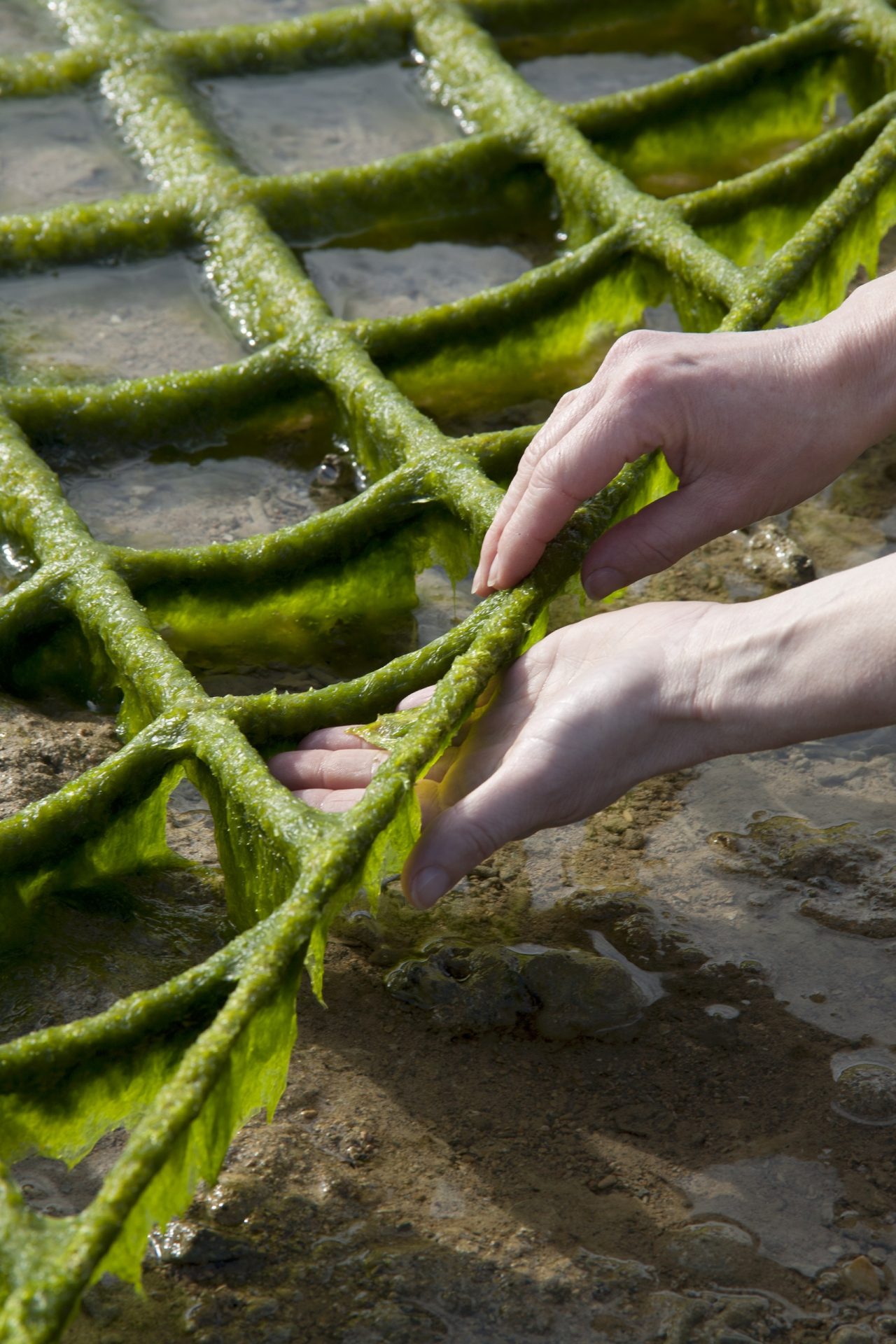
Gim from Boryeong, located in South Chungcheong Province, is a true gift of nature, shaped by the distinctive tides and salinity of Korea’s western coast. From the tidal flats of Boryeong to dining tables around the world, we now turn to explore the science and history embedded within this thin black sheet that carries the essence of the sea.
The Geographical Narrative of Boryeong
Marine Ecological Analysis: Tidal Range and Exposure Cultivation
Exposure and Submersion
Boryeong’s gim is exposed to air twice a day, emerging from the sea to face intense sunlight and coastal winds. Through this process of exposure cultivation, the seaweed develops a stronger cellular structure and concentrates its natural sweetness as a survival response.
The Golden Ratio of Salinity
The region’s many estuarine zones, where freshwater and seawater meet, are rich in nutrients. This elevates the levels of amino acids such as glutamic acid and alanine within the seaweed, allowing it to develop a deep umami flavor even without seasoning.
Historical Context: From Royal Tribute to a Global Snack
During the Joseon Dynasty, laver from the West Sea was valued for its thin texture and rich aroma, making it a prized delicacy on the royal table. From the 1970s onward, with the development of modern processing facilities centered around Daecheon Port in Boryeong, the region emerged as a key hub for Korea’s seaweed exports.
Today, Boryeong gim is exported to more than 100 countries under the name K-laver, serving as a leading ambassador of Korean culinary culture worldwide.
In Search of the Critical Point of Crispness
The Science of Drying and Thermal Control
The 5 Percent Moisture Rule
The optimal moisture content for maintaining gim’s signature crispness is around 5 percent. Processing facilities in Boryeong use multi stage drying systems to carefully remove excess moisture while preserving the structure.
The Roasting Process
Gim is typically roasted at high temperatures between 200°C and 300°C. In this brief moment, the pigment protein phycoerythrin breaks down, transforming the color into a vivid green while intensifying its nutty aroma.
The Art of Seasoning: The Harmony of Salt and Oil
Perilla Oil and Sesame Oil Blending
Only premium oils with low oxidation levels are used, blended in precise ratios to achieve optimal flavor and stability.
Fine Salt Application
Ultra fine processed salt is evenly distributed, allowing it to dissolve instantly on the surface. This enhances the natural sweetness and amplifies the overall flavor profile.
From “Seaweed” to “Black Semiconductor”
The Prestige of K-food’s Leading Export
Korean gim now accounts for more than 70 percent of the global seaweed market, ushering in an era in which annual exports of a single product exceed 1 trillion KRW. Once dismissed in the West as mere seaweed, it has been redefined as a low calorie and high protein superfood. Boryeong gim, in particular, has secured its place as a premium product favored by global distribution networks, thanks to its consistent quality and rich, nutty flavor.
From Side Dish to Global Snack
Export oriented gim from Boryeong continues to evolve through localization strategies. Moving beyond its traditional role as a rice accompaniment, it is now widely consumed as a snack, flavored with seasonings such as teriyaki, wasabi, and almond. Lower in fat than potato chips yet rich in protein and minerals, gim snacks have gained rapid popularity among Gen Z consumers in Western markets as a guilt free snack.
A High Tech Industry on the Sea
Boryeong’s gim processing complexes have transformed into smart factories integrated with ICT technologies. From foreign substance detection systems to automated drying and roasting processes, as well as real time moisture sensors, these innovations ensure that the signature crispness of Boryeong gim is preserved regardless of where it is exported.
Its nickname, the semiconductor of the sea, reflects both its economic value and the precision embedded in its production process.

Epilogue: On the Aesthetics of Survival in Summer
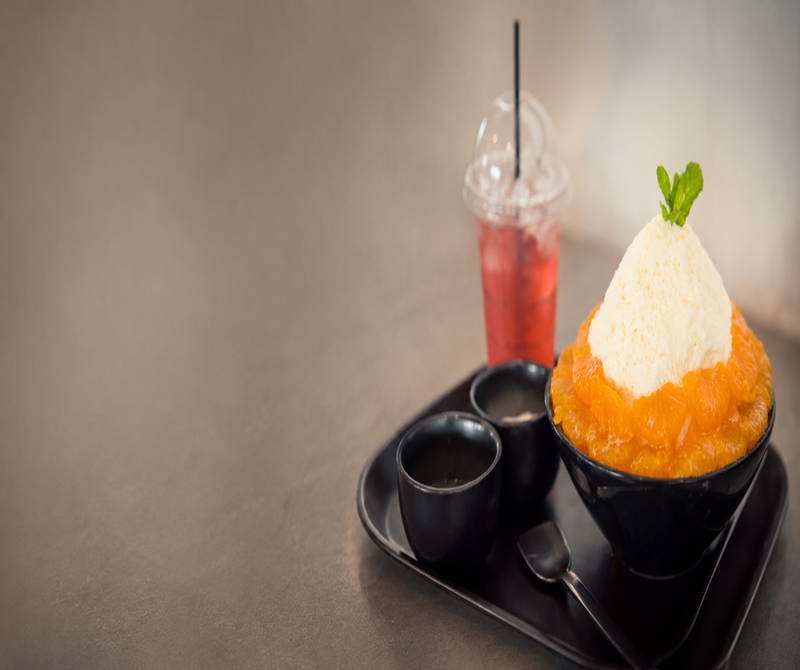
Across these pages, we have journeyed through the vast spectrum of Korean summer cuisine, from the steaming cauldrons of restorative dishes to the delicate snow like particles of subzero bingsu, and finally to a single crisp sheet of gim shaped by the sea winds of the West Coast.
For some, summer may be nothing more than an oppressive season to endure. But for Koreans, it has long been a time of both struggle and adaptation, a season in which one must fiercely affirm one’s vitality. What we have traced here is not merely a catalog of foods, but the accumulated wisdom of a people who have forged order and meaning within a harsh natural environment.
The Korean summer table goes far beyond the act of satisfying hunger. It embodies a philosophy of seasonal alignment, in which the human body is attuned to the rhythms of nature. The act of sweating over a bowl of boiling samgyetang or croaker soup reflects the principle of iyeol chiyeol, or combating heat with heat, an expression of the Korean tendency to confront external adversity with even greater internal force.
It is a strategy of survival that refuses submission to the environment, instead transforming its energy into one’s own. In contrast, cold desserts crafted through subzero technology reveal an artistic optimism, the ability to create fleeting moments of sensory pleasure and aesthetic delight even in the most oppressive conditions.
This interplay of heat and cold forms a dynamic culinary symphony, one of the most vivid gastronomic and humanistic expressions of Korea’s four seasons.
The story of Boryeong gim, explored in depth in this issue, offers a particularly resonant metaphor. Born in the harsh liminal space of tidal flats, enduring sun and wind, and strengthening its structure through adversity, gim ultimately emerges as the so called semiconductor of the sea, celebrated on tables around the world.
Its journey mirrors our own lives, the capacity to transform hardship into nourishment and to concentrate one’s essence through endurance. A single sheet of gim placed atop rice is not merely food. It is the condensed time of the West Sea and the quiet perseverance of artisans, consumed in one humble bite.
Likewise, the refined elegance of royal hwachae and the fermentation science behind traditional summer rice cakes testify to the intellectual depth of Korean gastronomy. The careful cold infusion of omija to preserve its organic acids, along with the ingenious use of microbial activity to prevent spoilage in summer, stands as an achievement that remains remarkable even by modern scientific standards.
This lineage of wisdom continues into contemporary practices such as the ubiquitous iced Americano, reflecting how the Korean spirit, dynamic, efficient, and resilient, persists even in a hyper modern society.
Ultimately, gastronomy is the act of fully internalizing a season.
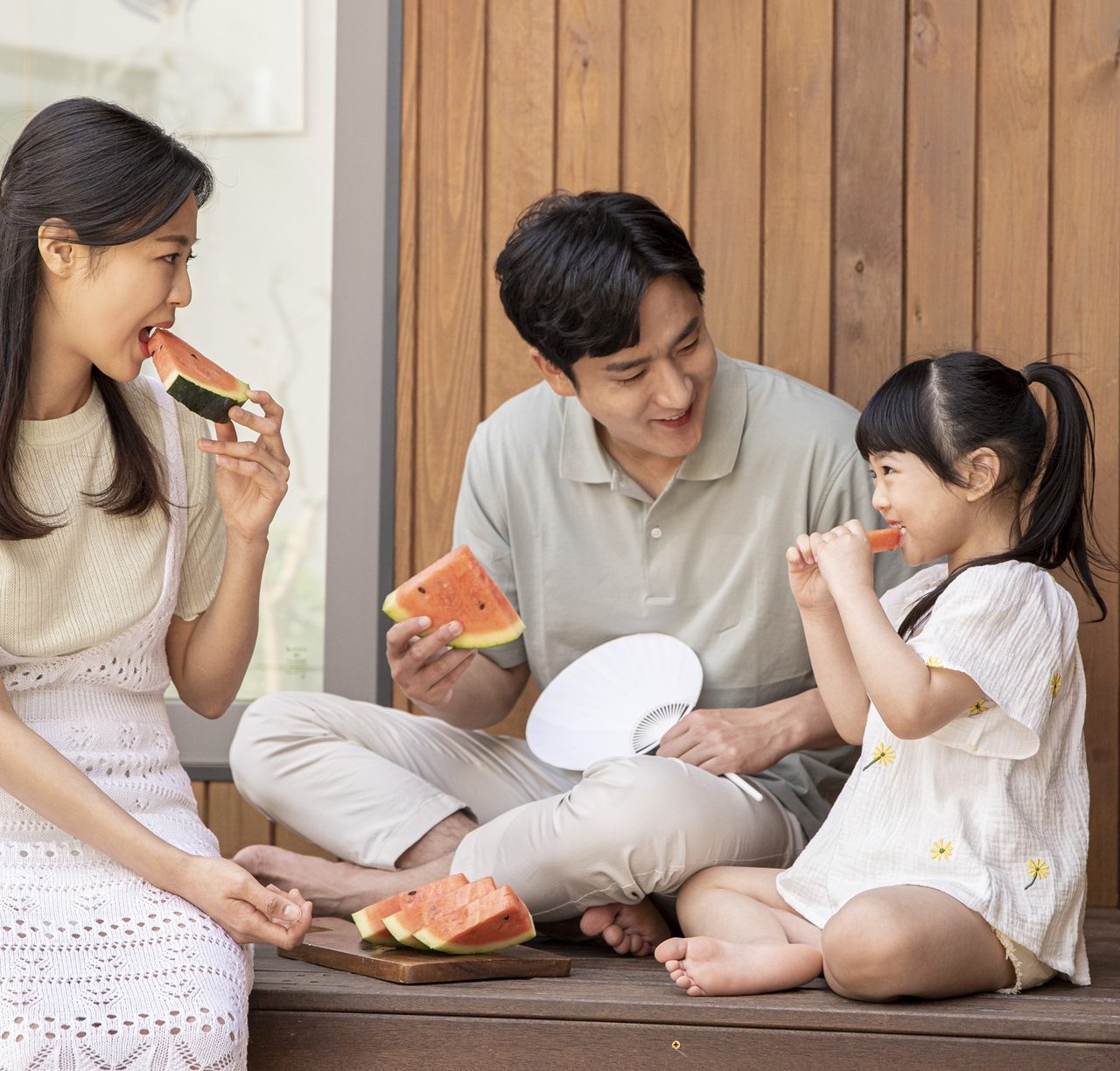
The shared laughter found in a bowl of watermelon hwachae, the quiet respite carried in a glass of iced coffee, and the honest crispness of a sheet of gim, these moments, both humble and profound, come together to sustain us through yet another demanding season.
Summer may exhaust the body, but it also serves as the most honest mirror, revealing how fiercely we are capable of living.
The food on your table is not merely a collection of nutrients. It is a testament to how deeply you have endured and embraced this season.
Restore your strength with a bowl of hot soup, cleanse your spirit with a chilled dessert, and rediscover the value of everyday life in something as simple as a crisp bite. Through this act of embracing the season itself, may your tomorrow be stronger and more richly flavored than today.
Though our culinary journey pauses here, the vitality of the Korean summer will continue to resonate in every meal you take. Taste becomes memory, and memory becomes the strength to carry on.
Source:
- Naver Encyclopedia of Korean Culture: https://terms.naver.com
- Boryeong City Hall: https://www.brcn.go.kr