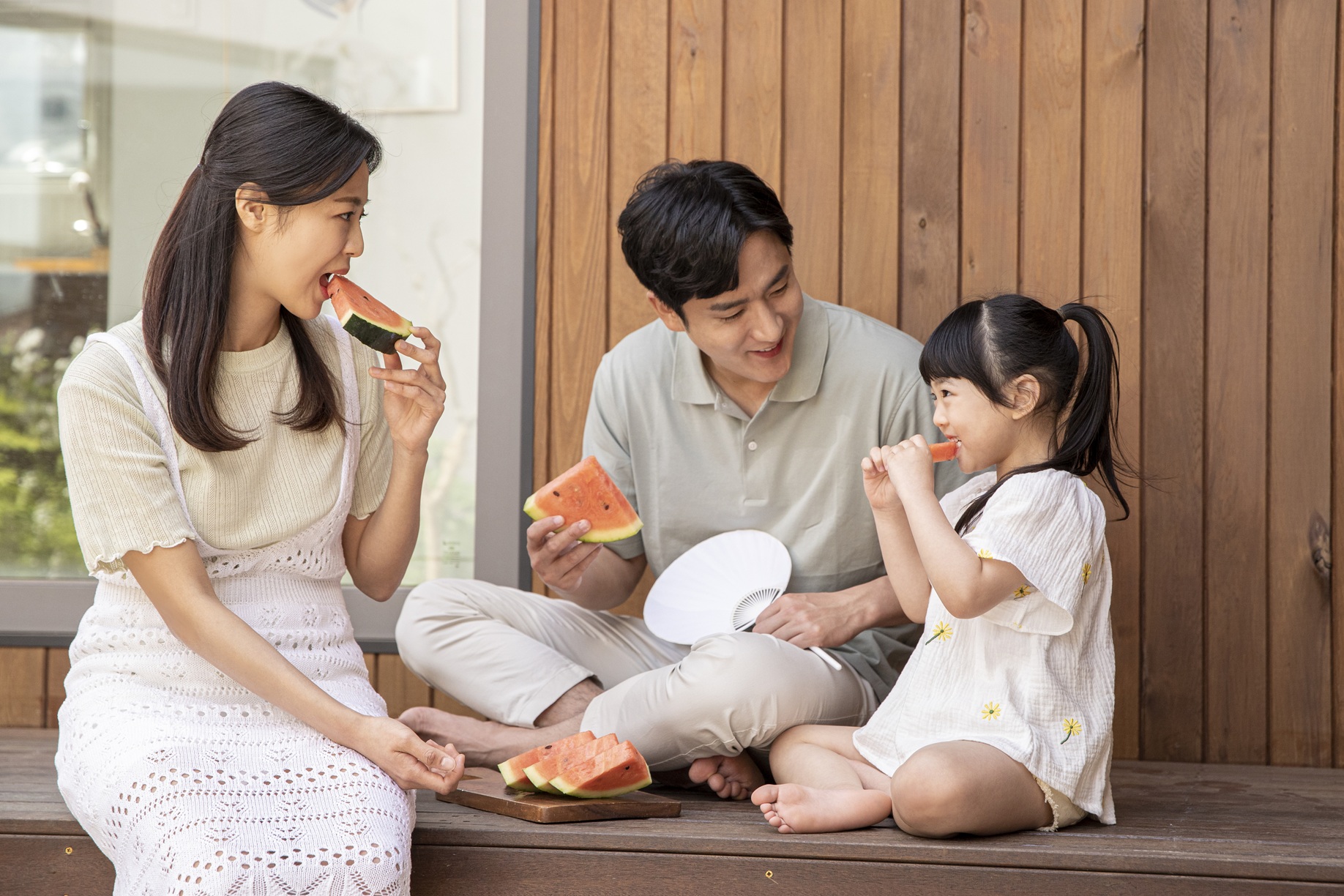
“Have you ever swallowed Korea’s heat, only to feel refreshed?”
This guidebook is not for travelers who simply pass through Korea, but for those who seek to dive deep into the essence of K-food culture.
Fire, or blazing energy, reflects how Koreans awaken the body’s vitality on the hottest days by eating intensely hot foods. This tradition is rooted in the philosophy of iyeol chiyeol, which means fighting heat with heat, and is expressed through nourishing and restorative cuisine.
Ice, or icy breath, captures the aesthetic pleasure of desserts that melt like snow in your mouth. Dishes such as bingsu and fruit punch, known as hwachae, offer a refreshing experience that embodies the essence of Korean summer.
Summer crisp, or the freshness of summer, is best represented by Korea’s seaweed, known as gim. Born from the sea breeze of the western coast and refined by skilled artisans, it delivers the pure essence of the ocean in every crisp bite.
A Hymn to Ice and Fire
Cold and Heat: Two Ways Koreans Master the Summer
The summer of 2026 arrives with unusual intensity. The sun’s physical heat, scorching the surface of the earth, goes beyond a mere rise in temperature and begins to disrupt the rhythm of daily life. Forests of concrete release waves of heat, pushing the limits of human endurance.
Yet for Koreans, summer has never been a season to simply avoid or passively endure. Over thousands of years, their ancestors confronted this harsh climate directly and developed a unique culinary survival strategy that tempers the heat and, at times, even turns it into an advantage.
This is where the journey begins, at the intersection where heat and cold collide, revealing the essence of Korean summer cuisine shaped by this dynamic tension.
This is not merely about filling the stomach. It is a refined cultural response, a way to preserve human dignity and restore physical balance in the face of an unforgiving natural environment.
Through this exploration, we see how Koreans harness the energy of fire to invigorate the body, while using the coolness of ice to refresh the mind. It is an enduring and dynamic ritual of surviving and thriving through summer.
Harmony of Yin and Yang: Expelling Cold from Within, Drawing Heat Inward
From the perspective of traditional Korean medicine and Eastern philosophy, summer is defined as the season of “external heat, internal cold” (oe yeol nae han). While the surface of the body is heated by intense external temperatures, the body’s natural mechanism to maintain balance often causes the internal organs to grow cold, creating a paradoxical state of imbalance.
The harmony of yin and yang, emphasized by Korean ancestors, begins precisely at this point of overcoming such contradiction.
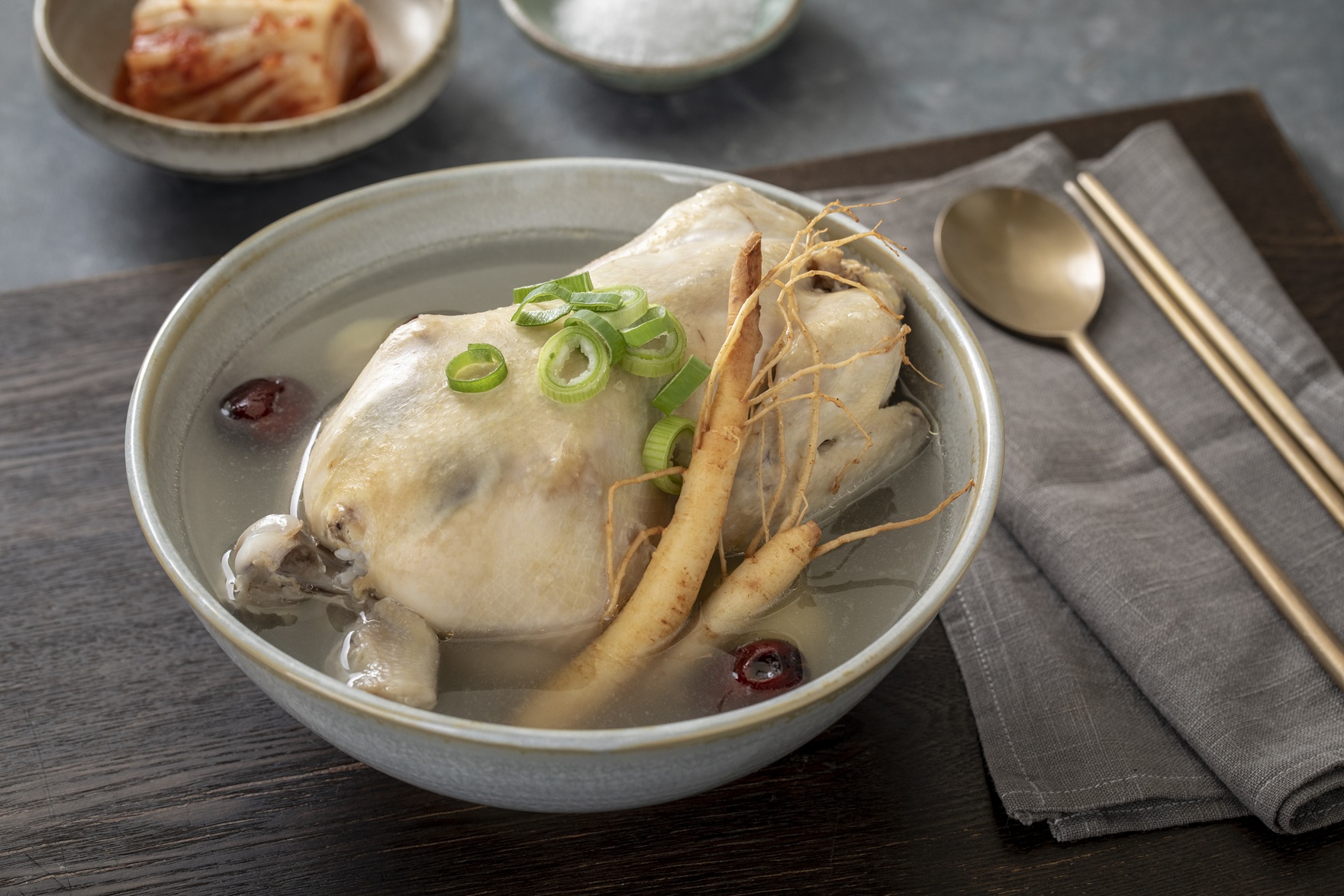
On the hottest days of the lunar calendar, people gather before steaming cauldrons, waiting for nourishing dishes and putting into practice the wisdom of “fighting heat with heat” (iyeol chiyeol). By consuming high protein, high energy foods such as croaker, eel, or rich restorative soups like haesintang, they warm the chilled interior of the body and activate inner energy, equipping themselves with the strength to stand against the oppressive heat outside.
This is not passive adaptation to the environment, but an active philosophy of survival, a deliberate effort to fortify oneself from within and confront the heat directly.
When Koreans sip a spoonful of boiling broth and exclaim, “This is so refreshing,” the expression goes beyond temperature. It becomes an instinctive moment of release, when the imbalance within the body is restored and the energies of yin and yang return to harmony, creating a deep sense of emotional and physical renewal.
Temperature Control on the Table: Cooling with Sweat, Freezing with Ice
The Korean summer table is a finely tuned space where the rhythms of nature meet human intention. It is a site of temperature control, where biological mechanisms and aesthetic sensibilities work together to master the season. By inducing sweat, the body lowers its temperature through natural processes, while ice based foods awaken the senses with an immediate, almost electric clarity.
Hot dishes increase blood circulation and trigger evaporative cooling, a fundamentally scientific method of regulating body heat. In contrast, cold delicacies such as bingsu and hwachae represent an artistic intervention. They momentarily numb the senses and send an instant signal of refreshment to the brain.
In the past, natural ice harvested from the Han River and stored in royal icehouses, Dongbinggo and Seobinggo, was a state controlled resource that symbolized both royal authority and ceremonial significance. Today, the delicate, snow like ice that crowns modern desserts is the product of advanced technology, a democratized form of refined aesthetics.
In this issue, we trace the grand trajectory of Korea’s cold food culture, from the anthocyanin rich hues of omija hwachae, once associated with royal elegance, to the finely textured ice of bingsu, created through rapid freezing at temperatures as low as -30°C. We also turn to the story of Boryeong gim, the “black jewel of the sea,” shaped by the winds and tides of the West Sea, revealing how nature’s patience and human craftsmanship converge within a single ingredient to sustain everyday life.
Gastronomy is both a record of memory and the most honest fuel for tomorrow. A summer meal in Korea is not merely a way to satisfy hunger, but a physical and emotional ritual that prepares the body to transition into the next season with balance and strength.
As you turn these pages, we invite you not just to read, but to feel the pulse of heat and cold woven between the lines, the rhythm of this “hymn to ice and fire.”
Korean summers are relentless. But the flavors forged in that intensity are, in turn, deeply rich and radiant.
Now, the story begins, both scorching and refreshingly cool.
Source:
- Naver Encyclopedia of Korean Culture: https://terms.naver.com
- Korean Food Promotion Institute: https://www.hansik.or.kr