Last spring, we followed the flowing waters of the Seomjin River and immersed ourselves in a magnificent “Symphony of Spring,” surrounded by pure white plum blossoms and clouds of pink cherry blossoms. The season that celebrated the rebirth of the earth beneath soft floral scents has now passed, and Korea moves toward the peak of a far more intense vitality, overflowing with the deepened energy of lush green landscapes.
Summer in Korea is not merely a rise in temperature. It is an “expansion of the senses.” Cicadas fill forests and cities alike with their relentless chorus, and beneath the blazing sun, people pour into the streets with even greater energy and enthusiasm. If European summers are defined by leisurely rest beneath dry sunlight, and Southeast Asian summers by the endless humidity of tropical rainforests, then the Korean summer is unmistakably multi-layered. Even amid dense heat and humidity, the cities evolve into cooler, sleeker, and more sophisticated spaces, while nature opens itself as a deeper and more spiritual sanctuary.
Prepare your light clothing, your willingness to embrace sweat beneath the sun, and your readiness to release your energy. From the refined urban “chill” of Korea’s cities to the blazing heat radiating from the southernmost edges of the peninsula, let us step together into this grand “Epic of Summer.”
1.Urban Oasis: Seoul’s Smart Cooling Culture
Seoul’s summers are surprisingly intense. With humidity levels remaining high, the city often experiences a sweltering “steam-bath heat,” where the perceived temperature barely drops even after sunset. Yet rather than simply escaping the heat, Seoulites have mastered the art of enjoying it. In 2026, Seoul is far too vibrant and exhilarating to remain hidden indoors beneath air conditioning.
• Seoul Summer Beach:
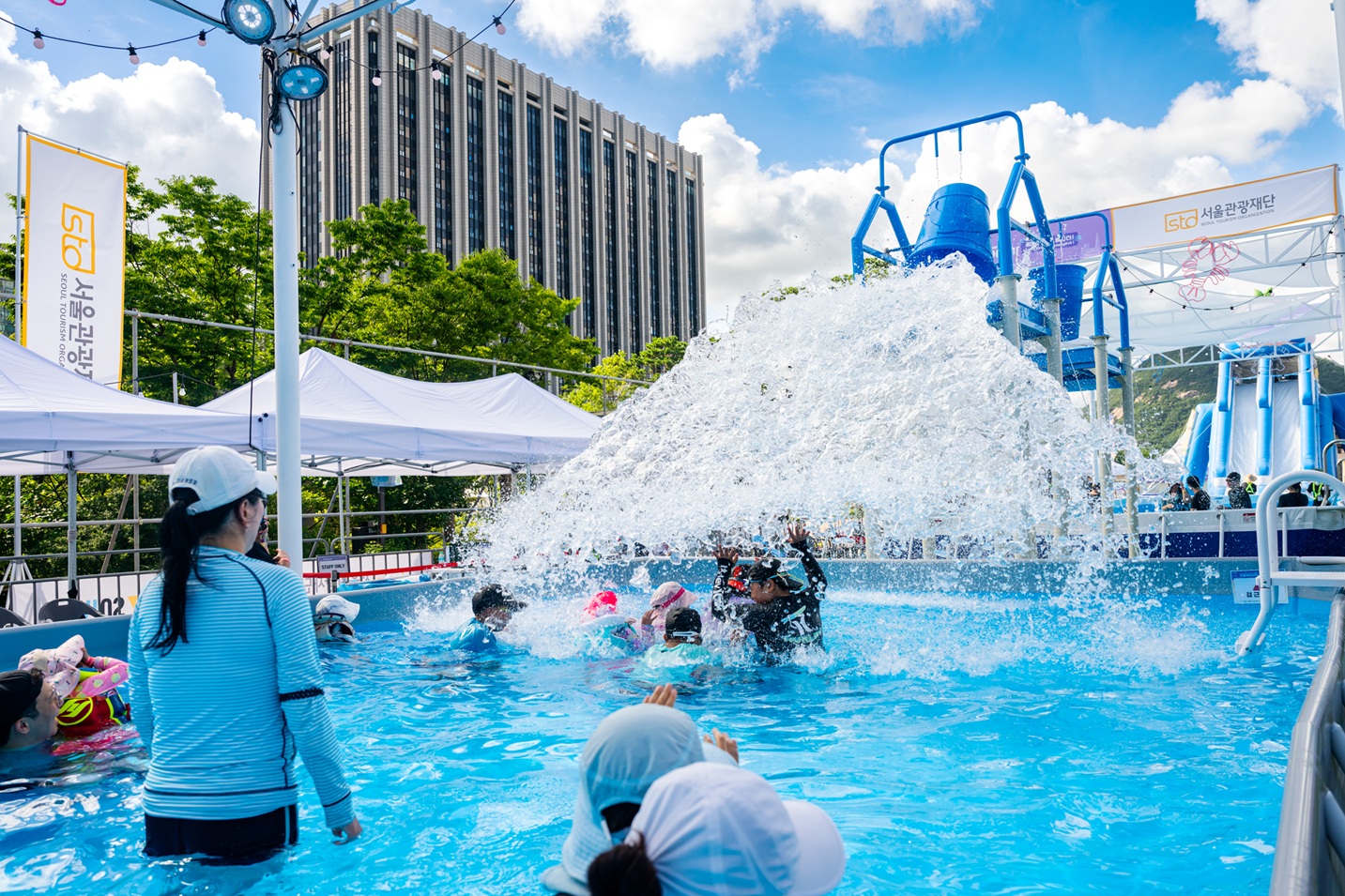
Can you imagine wearing a swimsuit and racing down a waterslide in the middle of the city skyline, facing the 600-year-old royal palace of Gyeongbokgung? Massive urban water parks built in the heart of the city have become more than simple swimming facilities. They are hyper-modern summer retreats where the noise of the metropolis collides with the refreshing sound of cascading water. This year, fine sand inspired by beaches across Korea has even been recreated indoors, allowing visitors to experience the atmosphere of a “real beach” amid a forest of skyscrapers.
• Cheonggye Soul Ocean:
If daytime is for water activities, then night belongs to Cheonggyecheon Stream. Flowing through the center of Seoul between towering buildings, this waterway acts as a natural air conditioner, lowering the surrounding urban temperature by an estimated 2–5%. The highlight is the media art exhibition “Soul Ocean,” displayed beneath Gwanggyo Bridge. Here, the masterpieces of Claude Monet ripple across the water, while giant whales glide through digital waves of light. Soaking your feet in the cool stream amid this dreamlike scenery transforms Seoul’s tropical nights into moments of artistic inspiration.
• Seoul Outdoor Library:
Picture yourself reclining on a beanbag spread across the green lawns of Seoul Plaza, slowly turning the pages of a book with an iced coffee in hand. Voted the No. 1 public policy initiative by Seoul citizens in 2025, the Seoul Outdoor Library offers perhaps the greatest luxury in a fast-moving megacity: the freedom to pause and reflect, entirely free of charge.
2.Eruption of Passion: Mud, Beer, and 100 Years of Sweetness
If nature offers a moment of healing, then summer festivals invite you to confront the season’s explosive energy with your entire body. In Korea, festivals reach their most intense and vibrant form during this season.
• Boryeong Mud Festival:
The soft mud of Korea’s western coast is far more than ordinary earth. Rich in minerals, this mud becomes a medium through which people of all nationalities and ages forget their differences and unite in pure exhilaration, throwing mud at one another beneath the blazing summer sky. Sliding down giant mud slides before plunging into the cool waters of Daecheon Beach delivers a feeling of liberation unlike anything else. It is no exaggeration to say that the Boryeong Mud Festival has become one of the defining symbols of the Korean summer.
• Jochiwon Peach Festival:
With a history spanning more than a century, Jochiwon peaches represent the pride of Korea’s summer fruits. Their overflowing juice and rich sweetness instantly wash away the fatigue and thirst of travelers beneath the scorching sun. From peach-picking experiences to an endless variety of peach-based desserts, this is a place where visitors can truly taste “the sweetest summer.”
• Jeonju Gamaec Festival:
“Gamaec” is short for gage maekju, literally meaning “store beer,” a drinking culture unique to the city of Jeonju. Imagine spending a summer night drinking freshly brewed beer delivered directly from nearby factories, chilled in buckets overflowing with ice, alongside dried pollack grilled over glowing charcoal. The echoes of cheerful toasts filling Jeonju’s old alleyways embody the romance of a Korean summer night at its finest.

3.Cool Comfort from Nature and History
Beyond the dazzling energy of summer festivals lies another side of Korea: a world of quiet sanctuaries where time seems to slow down. These places offer not spectacle, but something deeper: resonance and stillness.
• Baemsagol Valley, Namwon:
Hidden deep within the embrace of Jirisan Mountain, Baemsagol Valley is famous for its icy streams, so cold that even in midsummer, few can endure the water for more than thirty minutes. Walking beneath the dense forest canopy while listening to the sound of flowing water, one begins to understand why legends once claimed that immortals lived here. The valley is not merely cool. It feels sacred, like a refuge untouched by the outside world.
• The Past and Future of Yeosu:
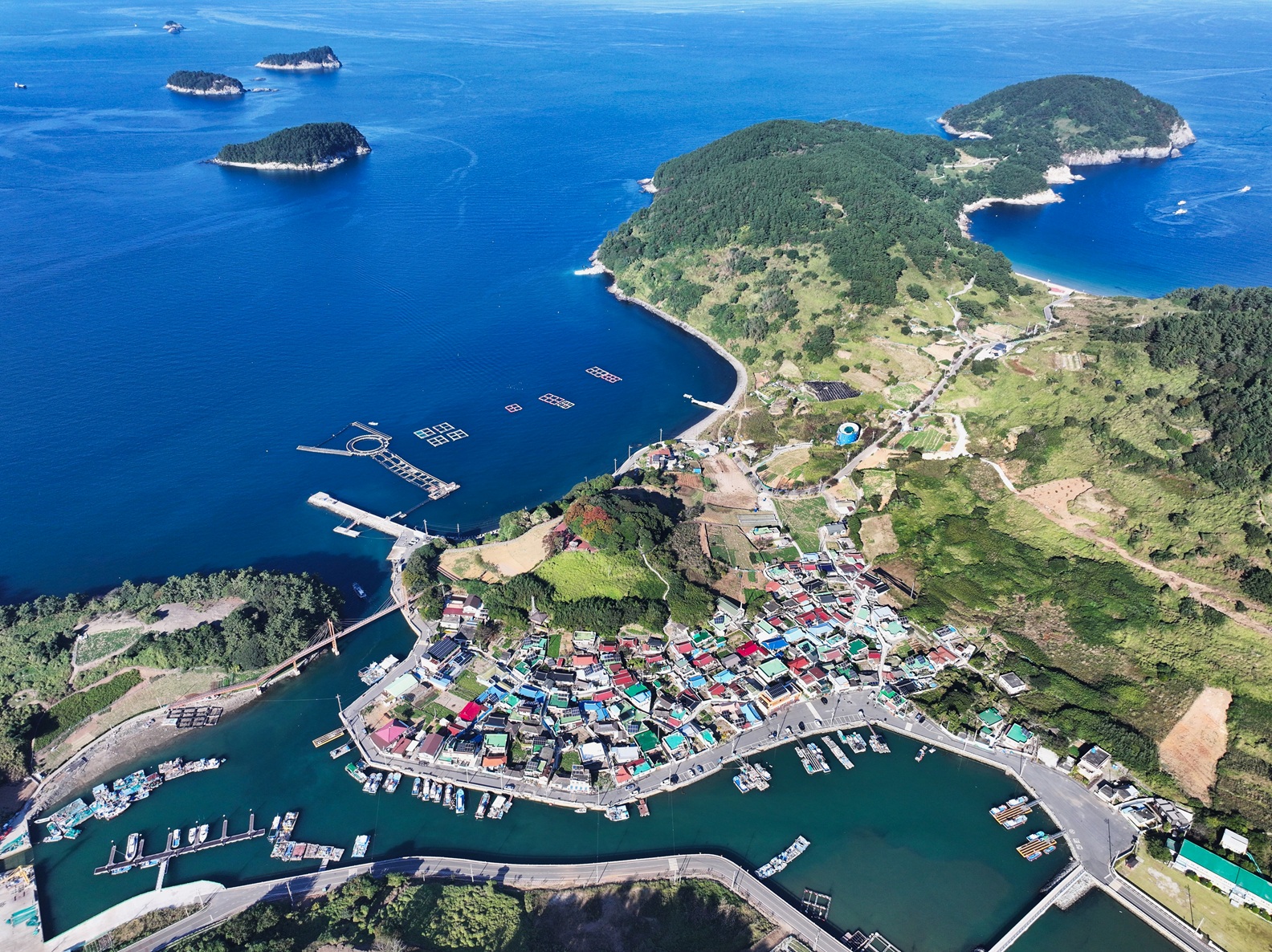
The southern coastal city of Yeosu stands as one of the most multidimensional destinations of this summer. The rough stone walls of the Marae Second Tunnel, hand-carved in the 1920s, remain a monumental historical record in themselves, preserving the physical traces of another era. Beyond the tunnel awaits the striking scenery of Manseongri Black Sand Beach, whose dark sands create an atmosphere unlike any other coastline in Korea. And with the Yeosu World Island Expo set to become one of the defining global topics of 2026, the city offers a rare experience where Korea’s past and future converge in a single landscape.
4.Gastronomy of Summer: The Art of Fighting Heat with Heat
The essence of Korean cuisine lies in its ability to balance the body according to the rhythm of the seasons. A summer culinary journey in Korea is therefore more than simple indulgence. It is a ritual of restoring strength and harmony.
• Samgyetang and the Philosophy of Restoration
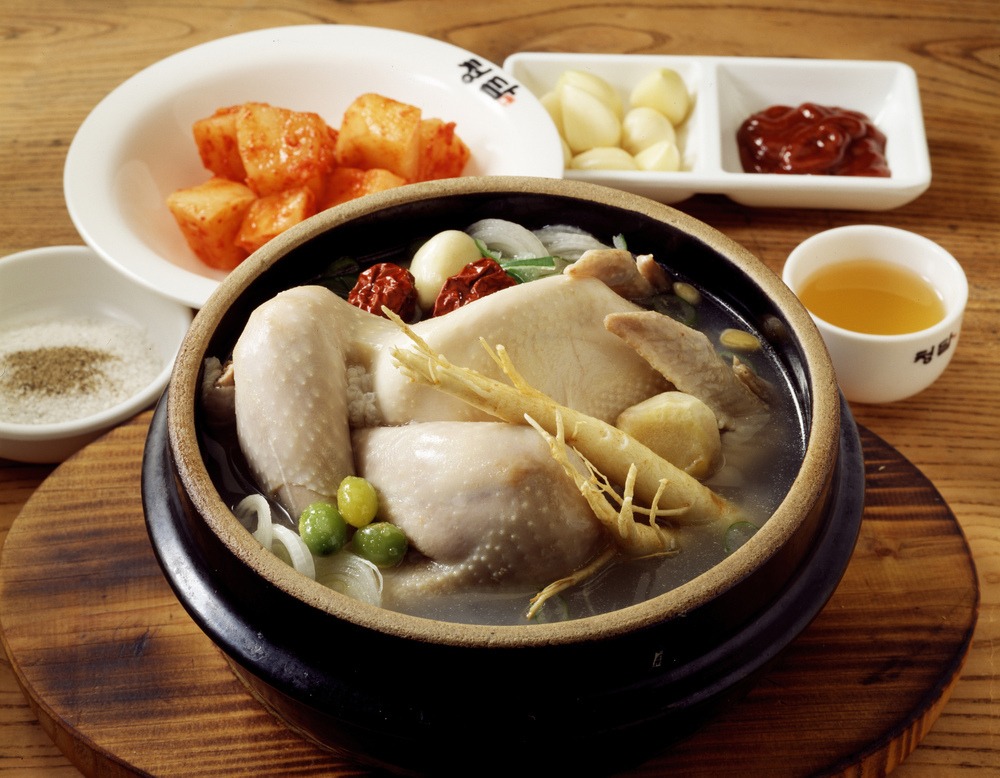
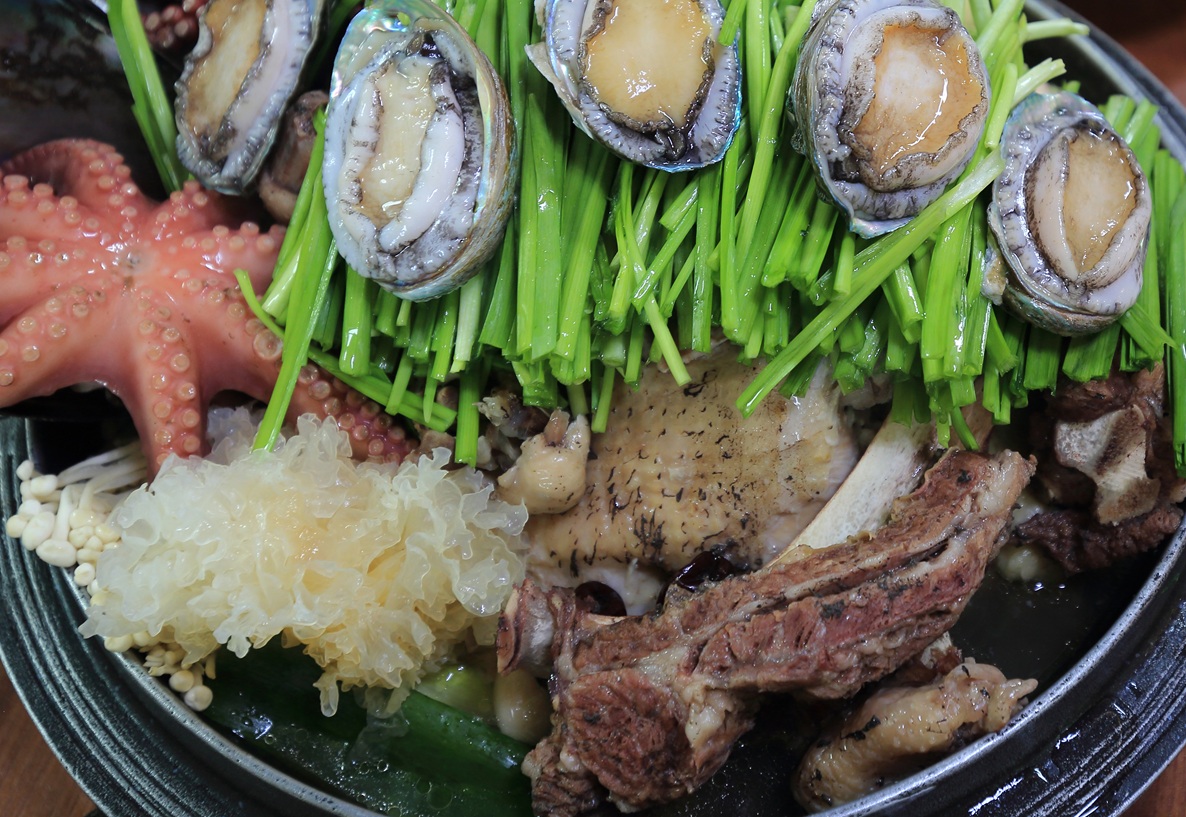
Koreans embrace the age-old wisdom of iyeolchiyeol, meaning “fighting heat with heat.” On the hottest days of summer, people gather around steaming bowls of samgyetang, a nourishing chicken soup stuffed with ginseng, jujube dates, garlic, and glutinous rice. As sweat pours from the body, the dish is believed to replenish depleted energy, awaken circulation, and fortify the body against the exhaustion of midsummer. More than comfort food, samgyetang is considered a seasonal tonic deeply tied to Korea’s philosophy of wellness.
• Naengmyeon and Kongguksu: The Elegance of Cold Cuisine
In contrast to the fiery warmth of samgyetang, Korea’s cold noodle culture offers another path toward surviving summer. Pyongyang naengmyeon, served in an icy beef broth with delicate buckwheat noodles, delivers a restrained and refined coolness that Koreans describe as both refreshing and contemplative.
Kongguksu, meanwhile, is a uniquely Korean seasonal delicacy made with noodles submerged in chilled soybean broth. Thick, nutty, and rich in plant-based protein, it transforms humble soybeans into a deeply satisfying summer meal. For many Koreans, the arrival of kongguksu season marks the true beginning of summer.
• Street Desserts and the Culture of Instant Relief
No Korean summer is complete without patbingsu, the iconic shaved-ice dessert topped with sweet red beans, chewy rice cakes, condensed milk, and seasonal fruits. What once began as a simple traditional treat has evolved into a globally celebrated K-dessert phenomenon. From nostalgic old-fashioned bingsu served in traditional teahouses near royal palaces to extravagant mango creations in Seoul’s trendiest cafés, each bowl captures Korea’s talent for transforming coldness into an art form.
Walking through the streets of Seoul with a spoonful of melting bingsu in hand is perhaps the sweetest way to survive the city’s blazing summer heat.
5.Summer Fashion & Shopping: Korea’s Stylish Survival Strategy
The streets of Korea in summer resemble one enormous open-air runway. Even amid intense humidity and blazing heat, Koreans maintain an effortlessly polished appearance, reflecting a culture that treats fashion not merely as decoration, but as a form of everyday discipline and self-expression.
• K-Athleisure & Gorpcore: Functionality Meets Urban Style
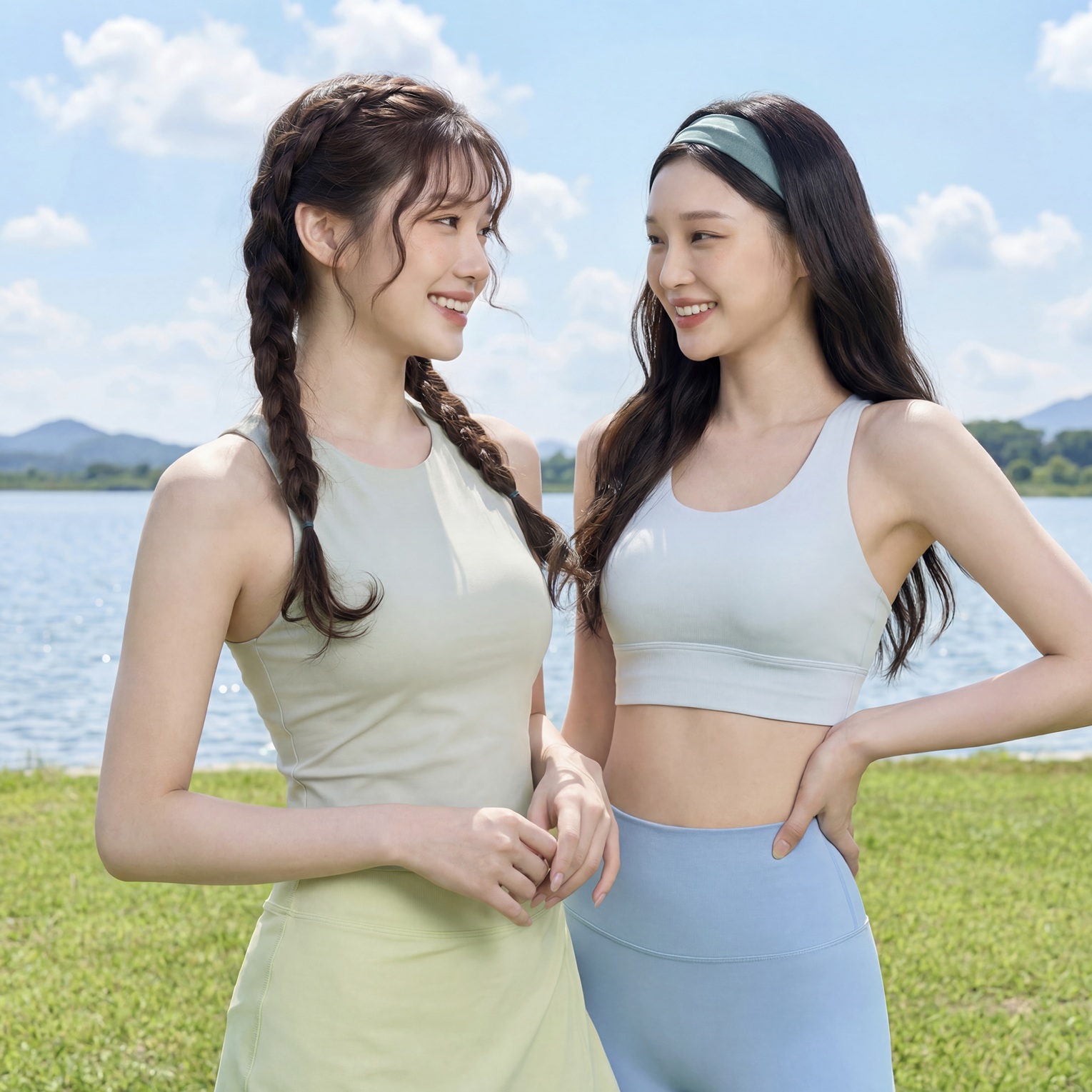
One of the defining trends of modern Korean summer fashion is the fusion of performance wear with minimalist street aesthetics. Lightweight windbreakers, moisture-resistant fabrics, and breathable technical materials are worn not only for outdoor activities, but also as everyday fashion statements.
In neighborhoods such as Hannam-dong and Seongsu-dong, visitors can explore curated boutiques filled with local designer brands that balance utility with sleek tailoring. Korean summer fashion prioritizes silhouettes that remain elegant even in humid weather: loose enough for ventilation, yet structured enough to preserve a refined fit.
• One-Mile Wear: Effortless Sophistication
The rise of one-mile wear reflects a uniquely Korean approach to comfort and style. The philosophy is simple: clothing should be relaxed enough for a short stroll to a neighborhood café, yet sophisticated enough for travel photography or an evening gathering.
Linen shirts, airy wide-leg trousers, oversized silhouettes, and muted neutral tones dominate the summer landscape. These garments embody Korea’s preference for understated elegance, an aesthetic that feels simultaneously casual, practical, and carefully curated.
• Summer Beauty Essentials: Korea’s Cooling Innovations
Korean beauty culture treats summer survival almost like a science. Stores such as Olive Young are filled with ingenious seasonal products designed specifically to combat heat and humidity. Cooling sheets, UV-blocking patches, portable facial mists, scalp-refreshing sprays, and ice-effect skincare masks have become essential travel companions during the Korean summer.
Many of these products are designed to instantly lower skin temperature after prolonged outdoor exposure, demonstrating Korea’s remarkable ability to transform everyday discomfort into highly refined lifestyle technology.
Ultimately, Korean summer fashion is not about resisting the heat. It is about adapting to it beautifully. From breathable fabrics and functional silhouettes to innovative cooling beauty products, Korea has elevated seasonal survival into a sophisticated cultural aesthetic.
6.Travel Tips: Weather & Survival Kit
To fully enjoy a Korean summer, understanding the country’s unique climate is essential. Korea’s summer is beautiful and energetic, but it can also be intensely humid, unpredictable, and physically demanding for first-time visitors. A well-prepared traveler experiences the season not as discomfort, but as adventure.
• Monsoon Season and Intense Heat
June and July mark Korea’s jangma season, the annual monsoon period characterized by sudden downpours, dramatic skies, and rapidly changing weather. A compact folding umbrella or a stylish lightweight raincoat quickly becomes an indispensable travel companion.
By August, the rain gives way to powerful sunshine and dense humidity. Sunglasses, sunscreen, and breathable clothing are no longer optional luxuries, but survival essentials beneath the blazing Korean sun.
• The Portable Hand Fan Phenomenon
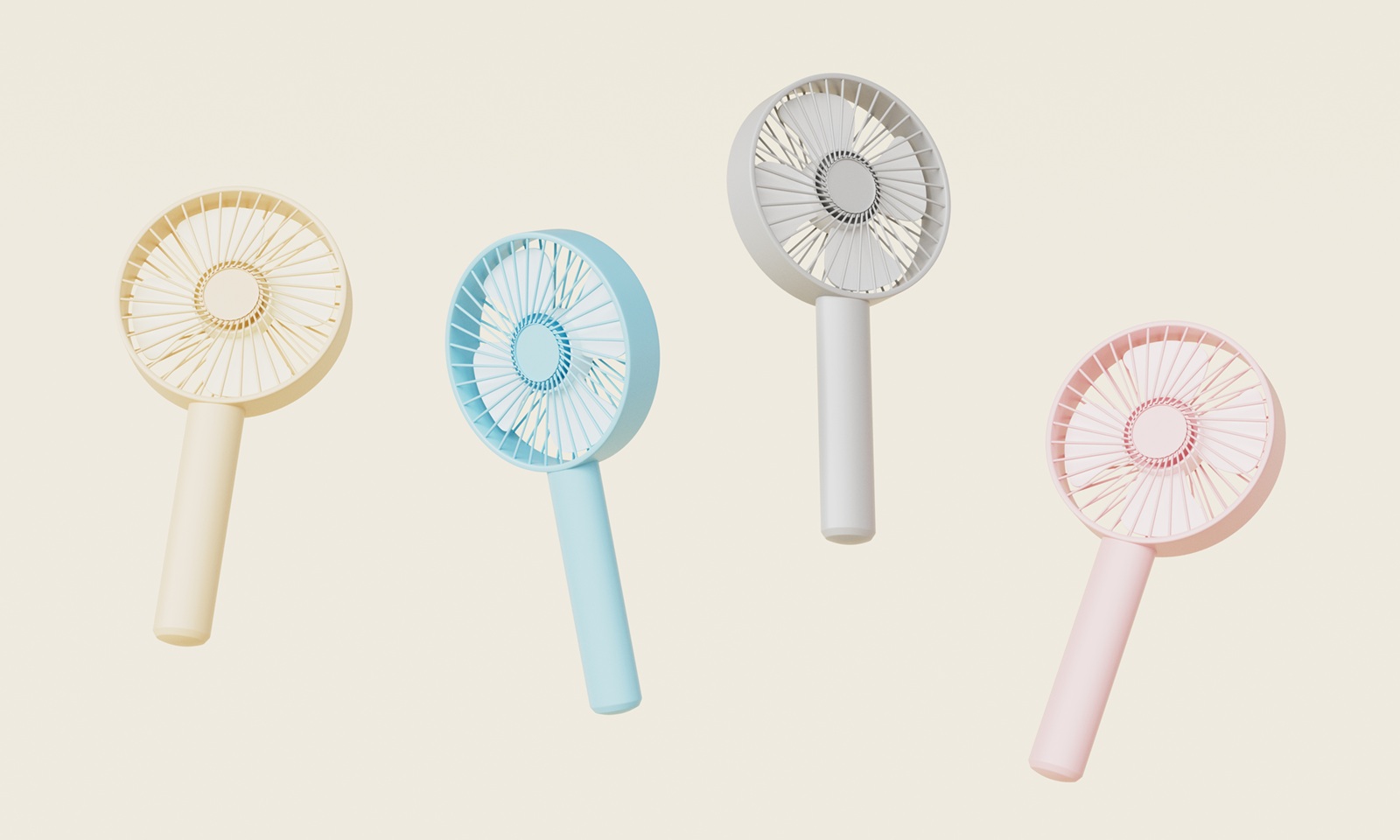
One of the first things visitors notice on Korean streets in summer is that nearly everyone carries a small portable electric fan. At first glance, it may seem like a novelty gadget. Yet the moment you experience Seoul’s humid heat while standing in a crowded subway station or waiting at a crosswalk, that tiny device transforms into your most trusted companion.
Portable fans have become symbolic of Korea’s hyper-practical summer lifestyle: a blend of technology, efficiency, and everyday survival.
• Extreme Indoor–Outdoor Temperature Differences
While outdoor temperatures soar, indoor spaces in Korea are often aggressively air-conditioned. Cafés, subway trains, shopping malls, and hotels can sometimes feel surprisingly cold compared to the streets outside.
Seasoned travelers in Korea therefore always carry a light cardigan, windbreaker, or linen overshirt. This simple habit helps prevent fatigue caused by repeated exposure to sudden temperature shifts and allows for comfortable movement between the city’s sweltering exterior and its refreshingly cool interiors.
EPILOGUE: Summer — The Season That Teaches Us to Burn Bright Again
Summer in Korea is a season of challenge. Beneath the blazing sun, people immerse themselves in festivals, endure the heat together, and rediscover their strength in the icy currents of mountain valleys and rivers. It is a cycle that restores vitality to exhausted bodies and awakens sleeping spirits.
If our Spring Edition celebrated the fluttering excitement of cherry blossoms drifting through the air, then this Summer Edition invites you to step beneath the deep green canopy those blossoms have become, and to discover the energy capable of filling your inner world once again.
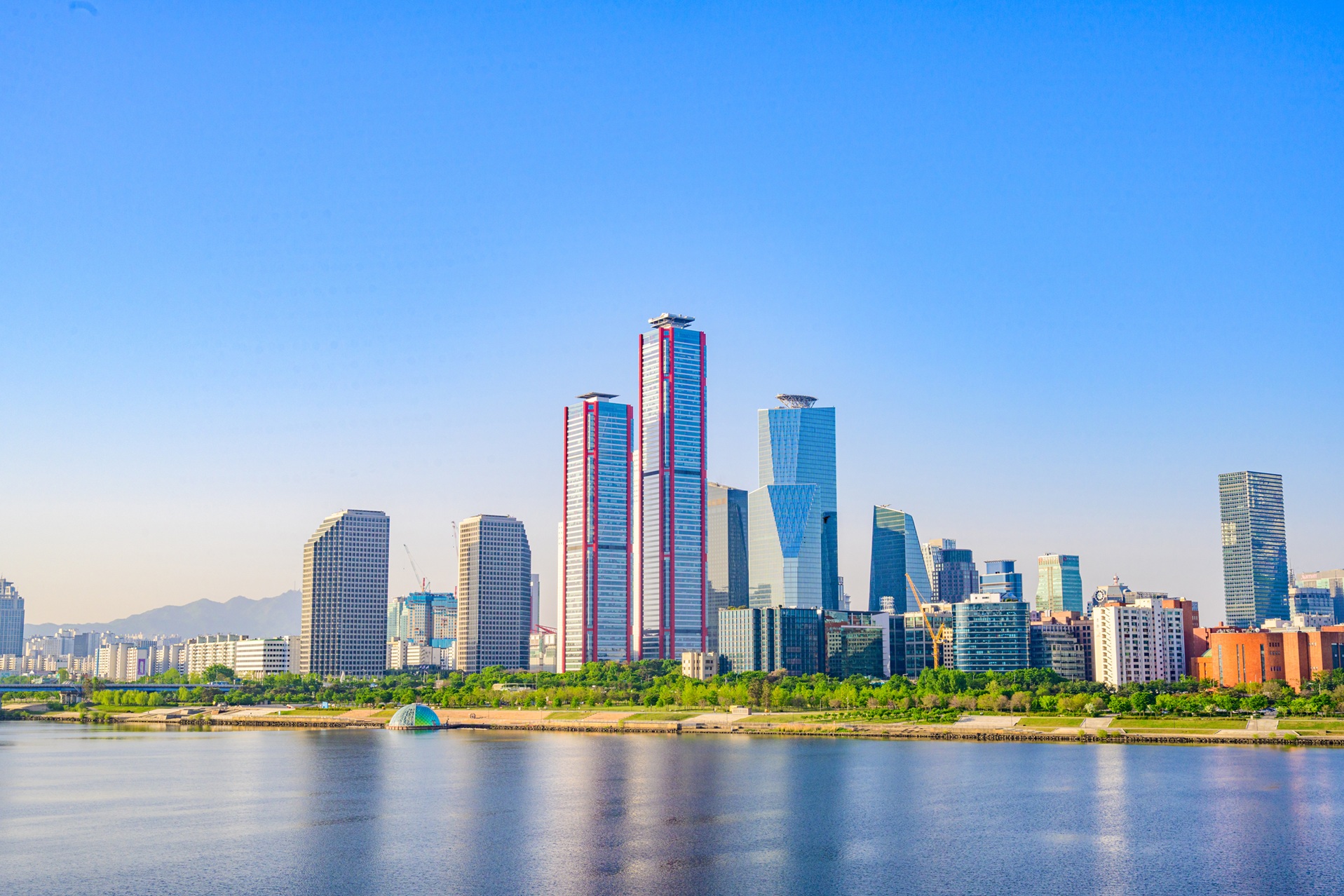
Under Korea’s brilliantly clear summer skies, free from the haze of fine dust, even ordinary moments become cinematic memories. Sitting beside the Han River with chimaek in hand while gazing at Seoul’s glowing skyline may become one of the most unforgettable scenes of your life. The warm night breeze, the reflections dancing across the water, and the endless hum of the city together create a portrait of summer that feels intensely alive.
The summer of 2026 awaits you with fiercer passion and cooler surprises than ever before. From vibrant urban nights and explosive festivals to quiet valleys hidden deep within the mountains, Korea reveals itself in summer as a land overflowing with contrast, energy, and resilience.
Become the protagonist of this passionate season.
Welcome to the dynamic summer of the Republic of Korea.
Source:
- Korea Tourism Organization website – korean.visitkorea.or.kr
- Korea Meteorological Administration website – www.weather.go.kr