From Survival to Gourmet: The History of Bitterness
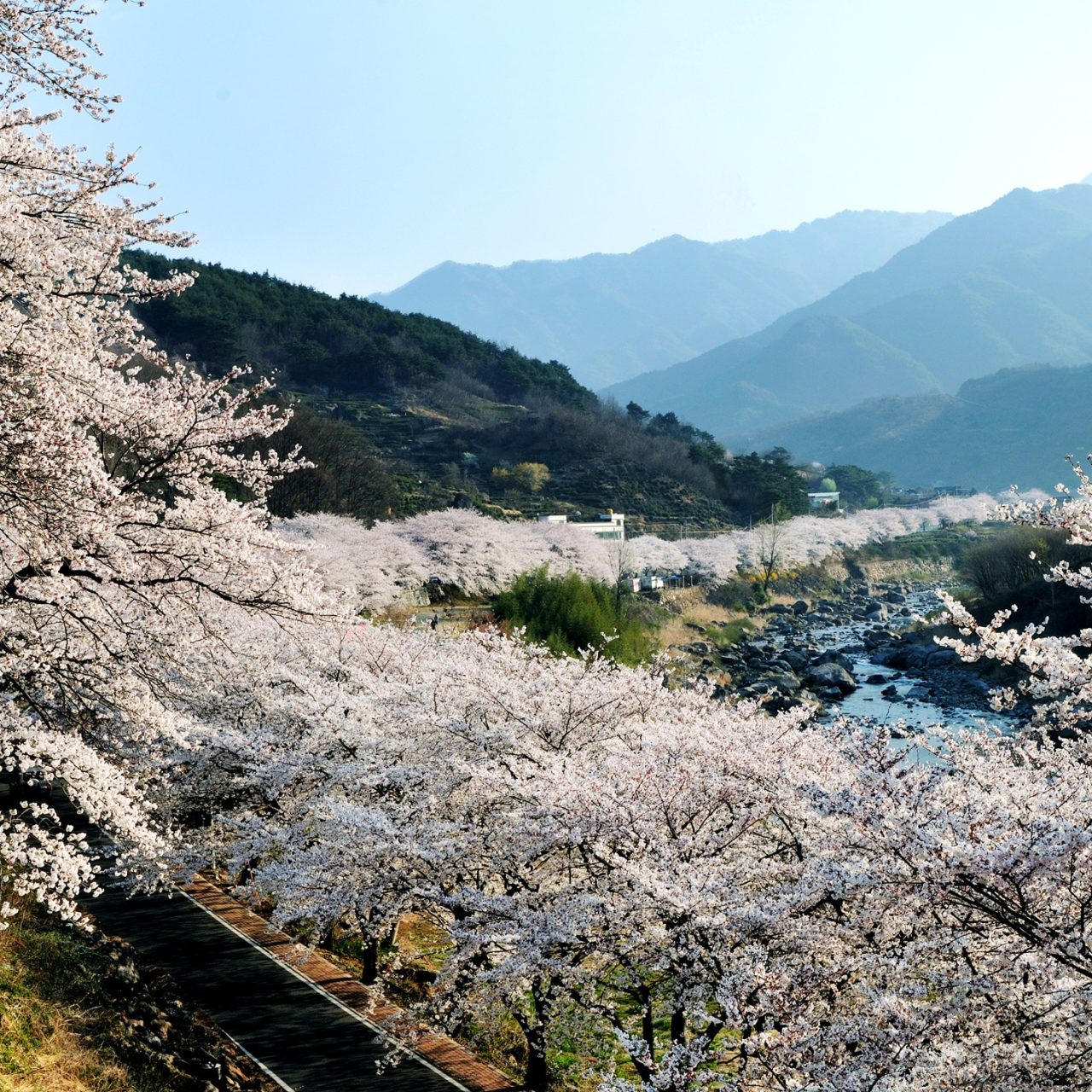
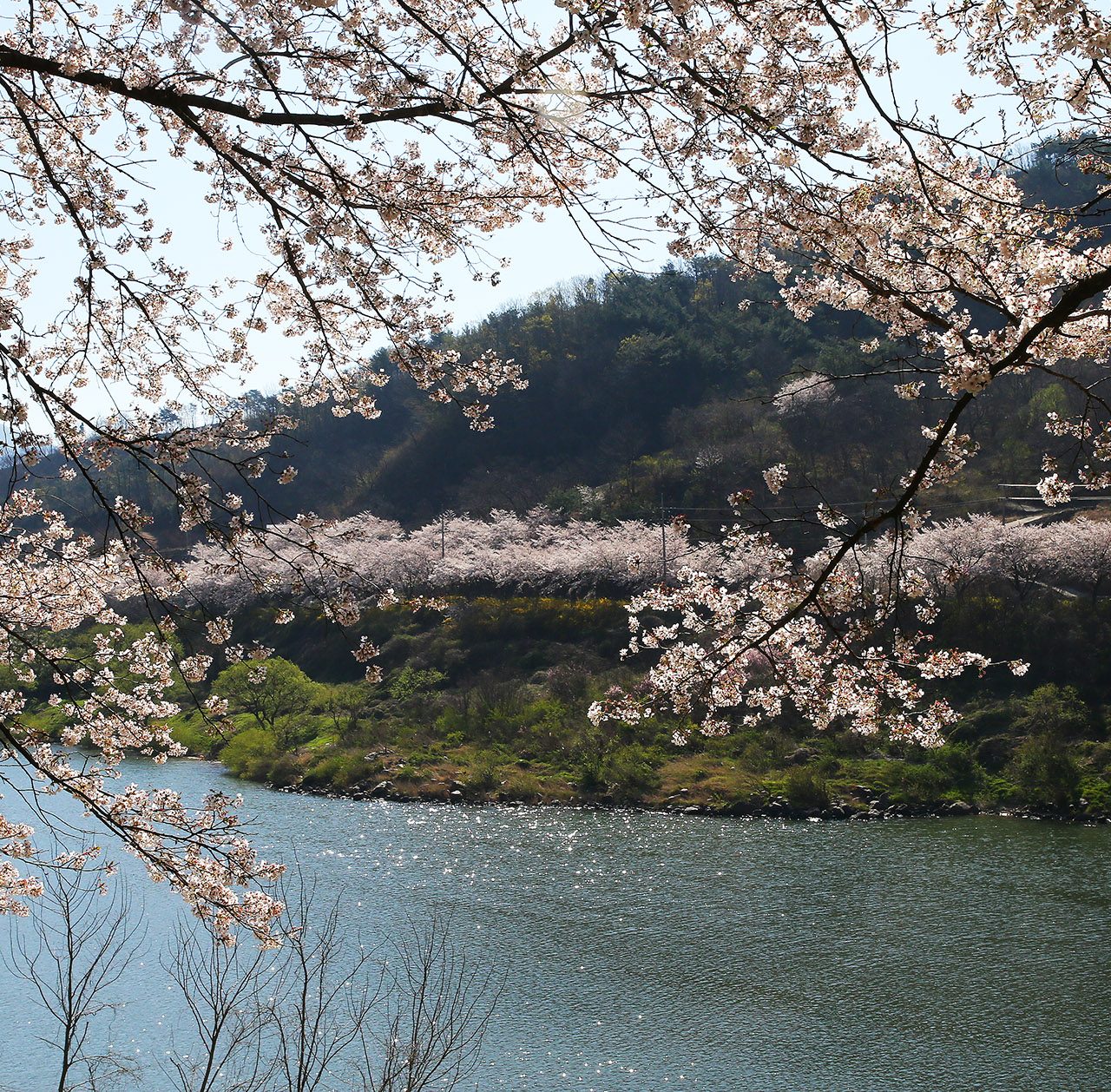
Cold winds still blow between city buildings, but beneath the soil of mountains and fields, a quiet revolution begins.
As seasons change, many Koreans experience spring fatigue, a sluggish imbalance caused by shifting bodily rhythms.
Historically, spring was also a time of hunger.
The Barley Hump and Famine Relief Crops
Korea once endured a harsh period known as the “Barley Hump”— a time when rice stores were depleted and barley had yet to ripen.
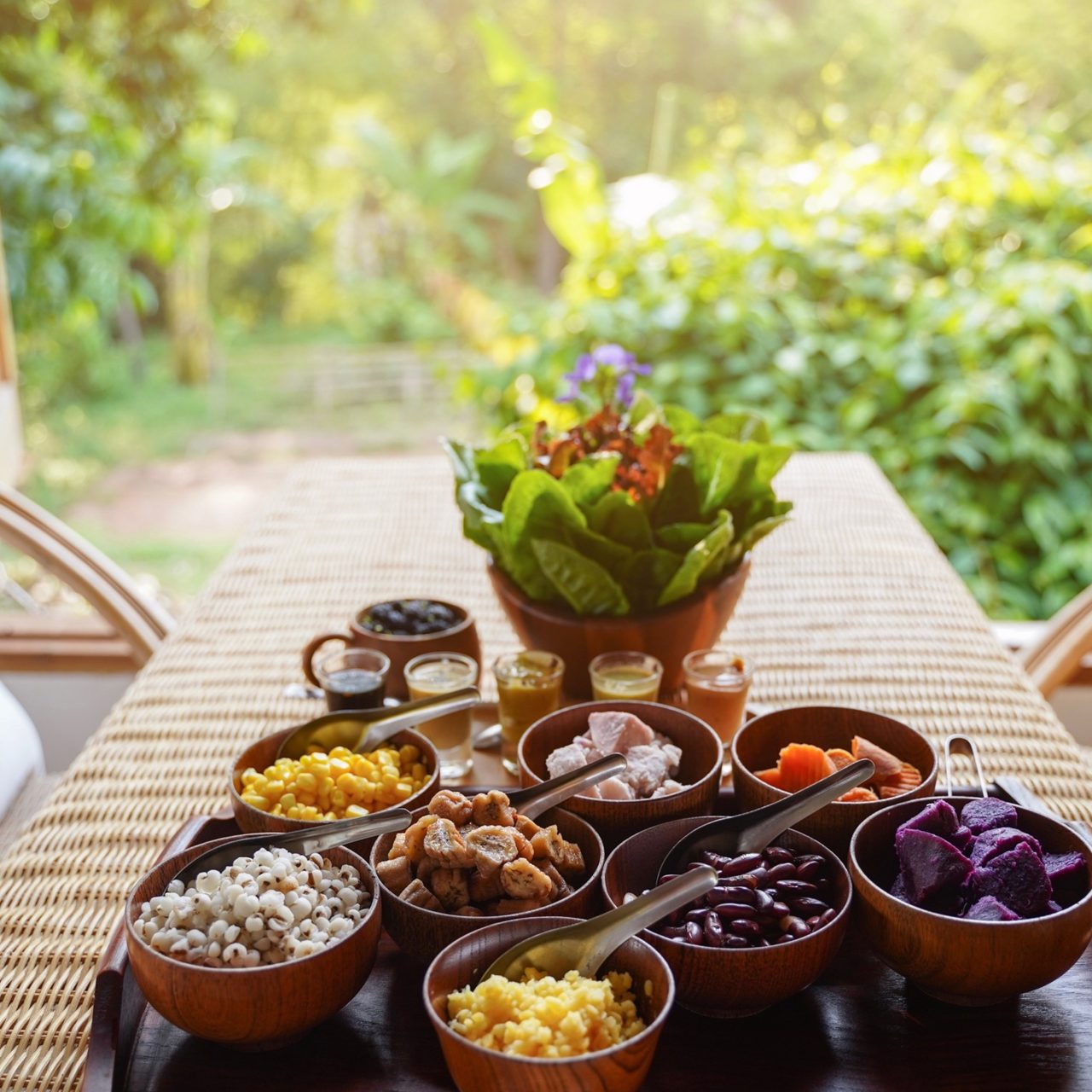
During this season of scarcity, wild greens became lifelines. They were known as famine relief crops, sustaining survival.
Today, these once-desperate foods have been reborn as symbols of slow food and wellness. Koreans now seek spring greens not from hunger, but to recover lost wild senses and reconnect with nature.
The Science of Bitterness
Most spring greens are bitter. Botanically, this bitterness comes from compounds such as alkaloids and aromatic oils— defensive substances plants produce during winter.
The Korean proverb, “Good medicine tastes bitter,” is scientifically valid. These compounds stimulate digestion, act as antioxidants, and awaken bodies dulled by winter dormancy.
Spring bitterness is nature’s alarm clock.
Naeng-i (Shepherd’s Purse): Eating the Scent of Earth
Etymology and History: The Herb That Clears the Eyes
Koreans have long regarded naeng-i not merely as a food ingredient, but as a medicinal herb.
Its name is believed to have evolved from the old Korean words “nai” or “nasi,” and in Chinese characters it is written as jech’ae (薺菜).
In the Donguibogam, the most authoritative medical encyclopedia of the Joseon Dynasty compiled in the 17th century, it is recorded that “When soup is made from naeng-i, it helps transport blood to the liver and clears the eyes.”
For modern people whose eyes are constantly strained by smartphones and computers, naeng-i can be understood as a kind of natural eye remedy prescribed by physicians over 400 years ago.
Ingredient Story: Why the Root, Not Just the Leaves?
One of the most distinctive features of naeng-i is that Koreans eat not only its green leaves, but also its root. This stands in sharp contrast to Western cooking, where roots covered in soil are usually removed and discarded.
Why, then, do Koreans insist on eating this tough root?
Naeng-i sprouts in autumn and survives through winter. To endure harsh subzero temperatures, the plant presses its leaves flat against the ground—a structure known as a rosette—and stores all the nutrients, aroma compounds, and sugars produced through photosynthesis deep in its root.
As a result, the root of spring naeng-i is essentially a “mini ginseng.” The same saponin compounds found in ginseng are also present in the roots of naeng-i.
Culinary Experience: Naeng-i Doenjang Stew
If you encounter naeng-i doenjang jjigae on a springtime menu in Korea, order it without hesitation.
Preparation:
Anchovy and kelp broth forms the base, into which doenjang—a fermented soybean paste—is dissolved.
Doenjang is the crystallization of deep umami created as soybean proteins break down through fermentation.
The Chemical Reaction:
When naeng-i is added to the boiling stew, a remarkable transformation occurs.
The strong, sometimes pungent bean aroma of doenjang disappears almost instantly as it meets the fragrant essential oils of naeng-i, replaced instead by a warm, refined, and deeply savory aroma.
Naeng-i is also one of the highest-protein vegetables, containing about 4.7 grams per 100 grams, earning it the nickname “meatless meat soup.”
Taste or Flavor:
One spoonful of the broth fills the mouth with the energy of soil itself.
Soft tofu and chewy naeng-i roots dance together on the palate.
For Koreans, this stew is the taste of home, the taste of mother—a soulful soup deeply tied to memory.
Dallae (Wild Chive): The Royal Kick of Spring
Historical Background: Served on the King’s Table
Dallae has long been treated as a prized ingredient. Its history is so deep that it appears in Goryeo-era songs, and during the Joseon Dynasty it was listed among tribute ingredients presented to the king.
The Annals of the Joseon Dynasty record that “In early spring, dallae was gathered and placed on the royal table.”
Unlike naeng-i, which sustained commoners during times of famine, dallae was beloved in royal cuisine for its distinctive aroma and medicinal properties.
Botanical Characteristics: A Small Garlic
Botanically, dallae belongs to the lily family and is closely related to garlic and onions. Its very name implies “wild garlic.”
The bulb contains allicin, the same compound responsible for garlic’s pungency. Allicin aids vitamin B1 absorption, provides antibacterial effects, and promotes blood circulation.
Koreans describe its flavor as “al-ssa-han”—a uniquely Korean sensory expression that refers to a pleasant sting on the tongue, a clearing sensation in the nose, and a clean, refreshing finish.
Chef’s Recipe: Dallae Seasoning Sauce, Pure Vitality
Because heat destroys vitamin C, dallae is most often eaten raw. The most representative preparation is dallae yangnyeomjang.
The Secret:
After washing, the dallae is chopped into 1 cm pieces and mixed with soy sauce, red pepper flakes, sesame oil, and sesame seeds.
The key step is crushing: gently pressing the white bulb with the flat side of a knife breaks the cell walls, releasing a burst of trapped allicin aroma.
Pairing:
This sauce reaches perfection when paired with roasted seaweed (gim).
The combination of crisp seaweed, hot rice, and cold dallae sauce creates an orchestra of textures, capable of emptying two bowls of rice even on the most appetite-less spring day.
Ssuk (Mugwort) & Dooreup: Greens of Myth and Aristocracy
1)Ssuk (Mugwort): A Five-Thousand-Year Myth, the Story of Dangun
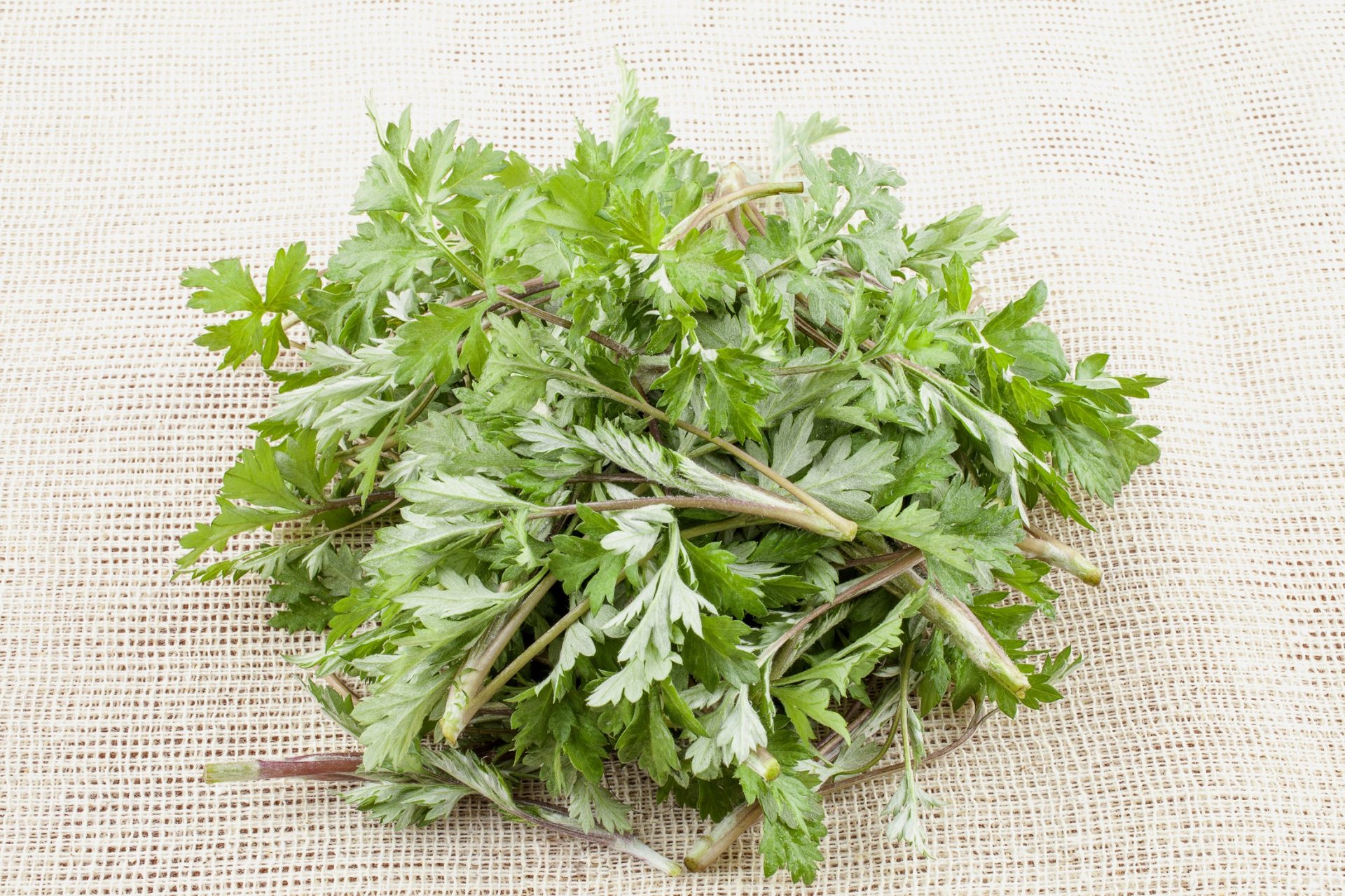
Mugwort, known in Korean as ssuk, is far more than a culinary ingredient. It is a plant deeply woven into the very identity of the Korean people, carrying layers of mythology, medicine, and seasonal wisdom that stretch back thousands of years.
In 2333 BCE, ssuk appears in Korea’s founding myth, The Legend of Dangun. According to the story, a bear and a tiger prayed to become human. The heavenly prince Hwanung gave them a test: a bundle of mugwort and twenty cloves of garlic, instructing them to eat nothing else and remain in a dark cave for one hundred days.
The tiger abandoned the trial and fled, but the bear endured—sustained only by mugwort and garlic.
Through patience and discipline, the bear transformed into a woman, who later gave birth to Dangun, the founder of the first Korean kingdom, Gojoseon.
In this myth, mugwort is not merely food. It is a symbol of purification, endurance, and transformation—the substance that turns instinct into humanity. For Koreans, ssuk represents the belief that perseverance and balance can elevate one’s nature.
Medicinal Wisdom: Warming the Body, Healing from Within
Mugwort’s role extends beyond mythology into traditional medicine. It is consumed as food, brewed as tea, and used therapeutically in moxibustion, a traditional Korean healing practice that burns dried mugwort near acupuncture points to warm the body and stimulate circulation.
Ssuk is believed to restore warmth, stop bleeding, and regulate internal balance. A well-known Korean saying claims, “An illness that has lasted seven years can be cured with three-year-old mugwort.” This reflects the deep trust Koreans place in ssuk as a restorative herb—one that protects the body from cold, stagnation, and imbalance.
Culinary Tradition: Dodari Ssuk-guk (Flounder & Mugwort Soup)
When spring arrives along Korea’s southern coast, one dish marks the true beginning of the season: Dodari Ssuk-guk.
This soup combines dodari—a flounder that grows plump during its spring spawning season—with freshly harvested mugwort. The pairing is a perfect expression of Yin and Yang in Korean food philosophy. The cool, delicate flesh of the fish balances the warming, aromatic nature of ssuk, creating a harmony that restores equilibrium to the body after winter.
As the soup simmers, the mugwort releases its grassy, slightly bitter aroma, filling the bowl with the scent of awakening earth. One spoonful delivers both comfort and vitality—a quiet reminder that spring is not merely a season, but a process of renewal.
For Koreans, eating dodari ssuk-guk is not just about taste.
It is about welcoming spring into the body, aligning oneself once again with the rhythm of nature.
Dooreup: The King of Spring Greens
If spring greens had a hierarchy, dooreup would be its undisputed king.
While other greens grow close to the ground, dooreup emerges proudly from the tips of thorny tree branches.Its sharp thorns make harvesting difficult, and its availability is limited to a brief golden window in April, which is why it was traditionally reserved for the most honored guests.
Varieties:
Tree-grown cham-dooreup, ground-grown ttang-dooreup, and gae-dooreup (castor aralia shoots) all share high saponin content, known for boosting immunity.
Taste:
Eating dooreup is like eating the forest itself.
Its crisp bite is followed by gentle bitterness and a deep, woody aroma that no other vegetable can replicate.
Culinary Simplicity:
The more precious the ingredient, the simpler the preparation.
Lightly blanched, chilled, and dipped in vinegar gochujang, this dish—known as dooreup sukhoe—offers a springtime luxury worthy of a king’s table.