A Floral Wave from the South: Plum Blossoms, Cornelian Cherries, and Cherry Blossoms
In the spring of 2026, we invite you not to Seoul’s familiar forest of skyscrapers, but to the wide-open landscapes of southern Korea. From early March through April, a spectacular procession of blossoms unfolds along the Seomjin River—a three-color celebration that even Koreans eagerly await each year.
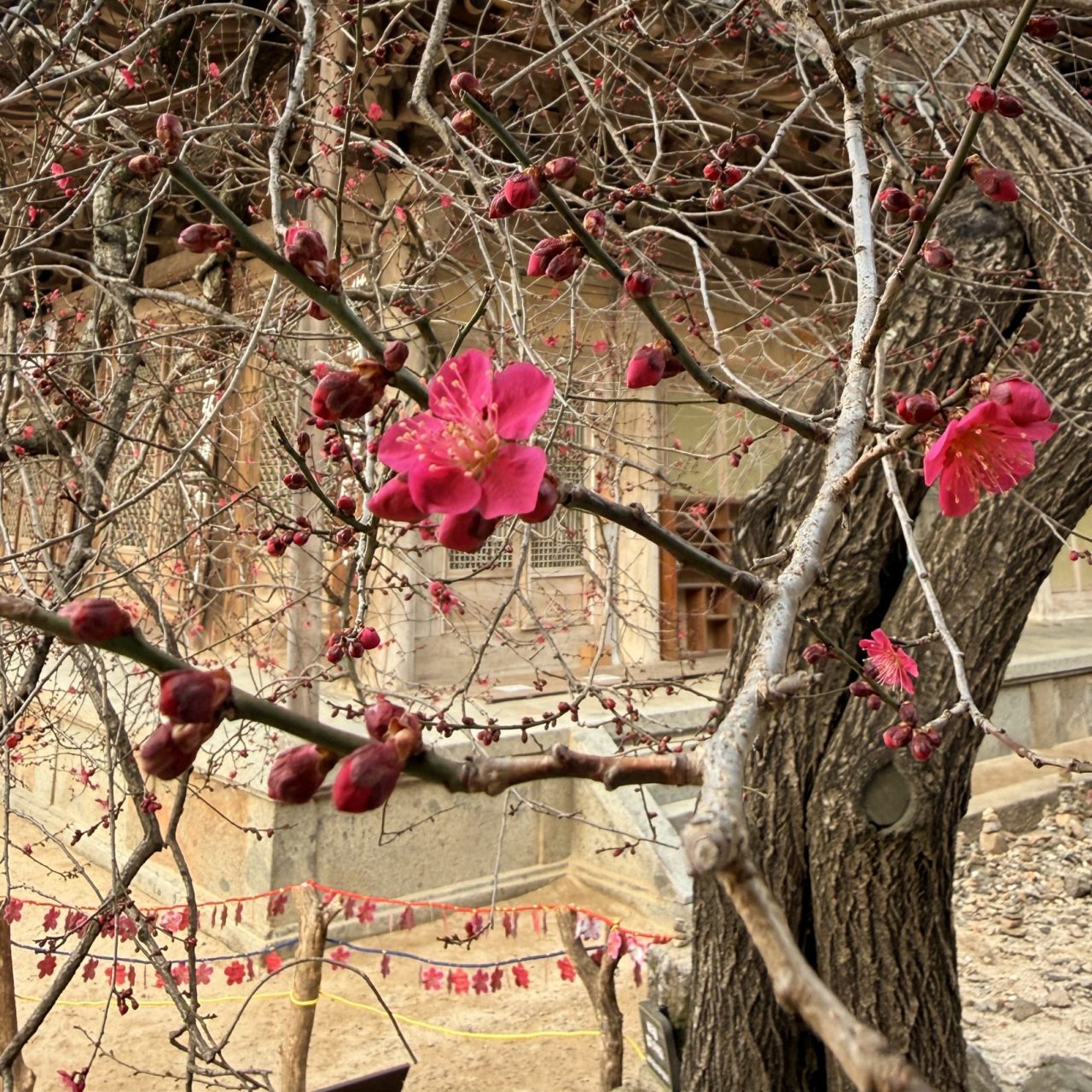
Spring in the south begins as a feast of color along the riverbanks and the foothills of Jirisan Mountain. The overture opens at Gwangyang Maehwa Village, where more than 100,000 plum trees blanket the hillsides in delicate white, like a final snowfall welcoming the season. At the nearby Cheongmaesil Farm, thousands of traditional earthenware jars stand in quiet formation, framed by pristine blossoms, the deep green of the Seomjin River, and a landscape reminiscent of a classical East Asian ink painting. Do not miss the surprisingly delightful treat of plum ice cream, a local specialty best enjoyed while taking in the view.
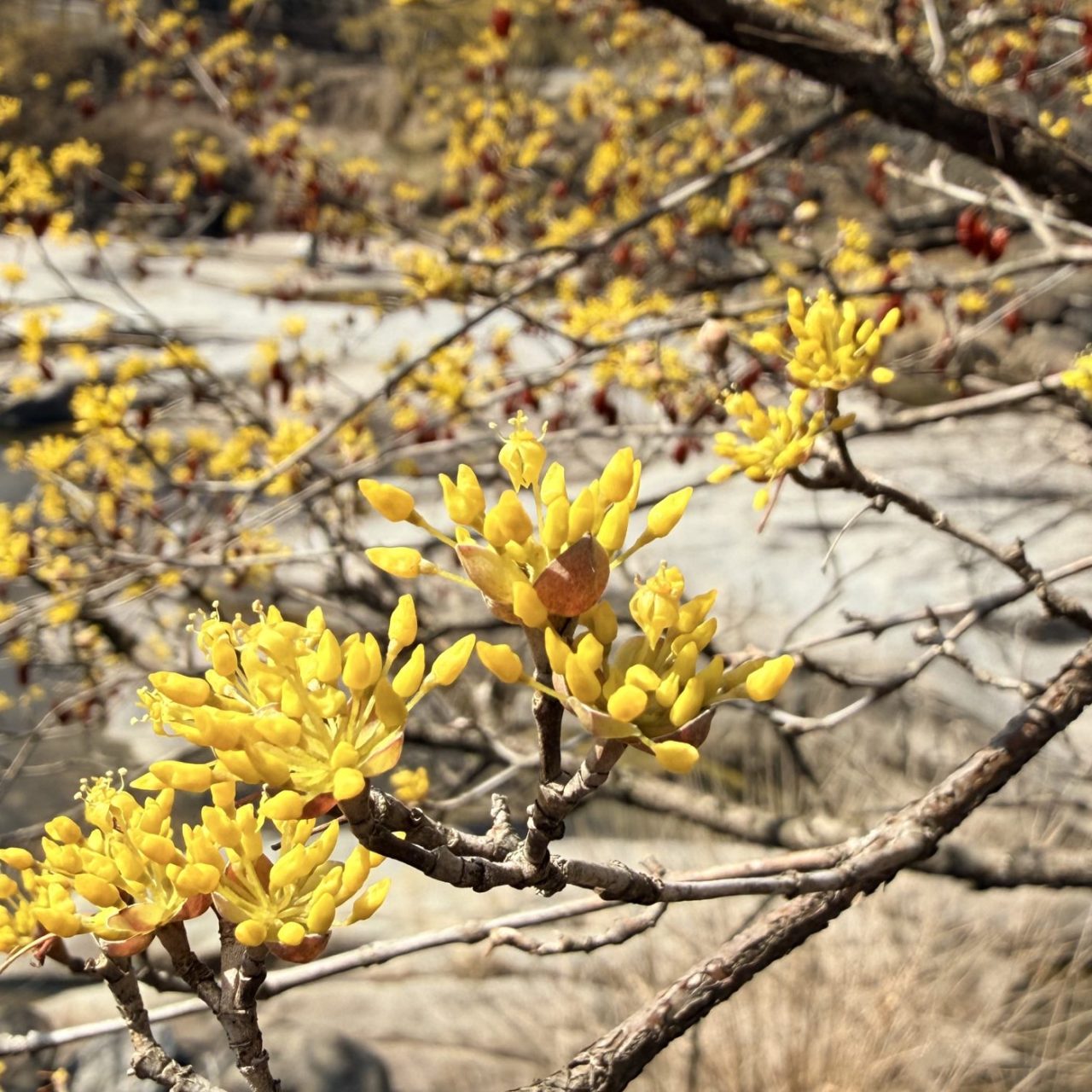
Across the river lies Gurye Sansuyu Village, where vivid yellow cornelian cherry blossoms wrap around stone walls and tiled-roof houses. The scene feels almost painterly—warm, dreamlike, and gently evocative of a Van Gogh canvas brought to life.
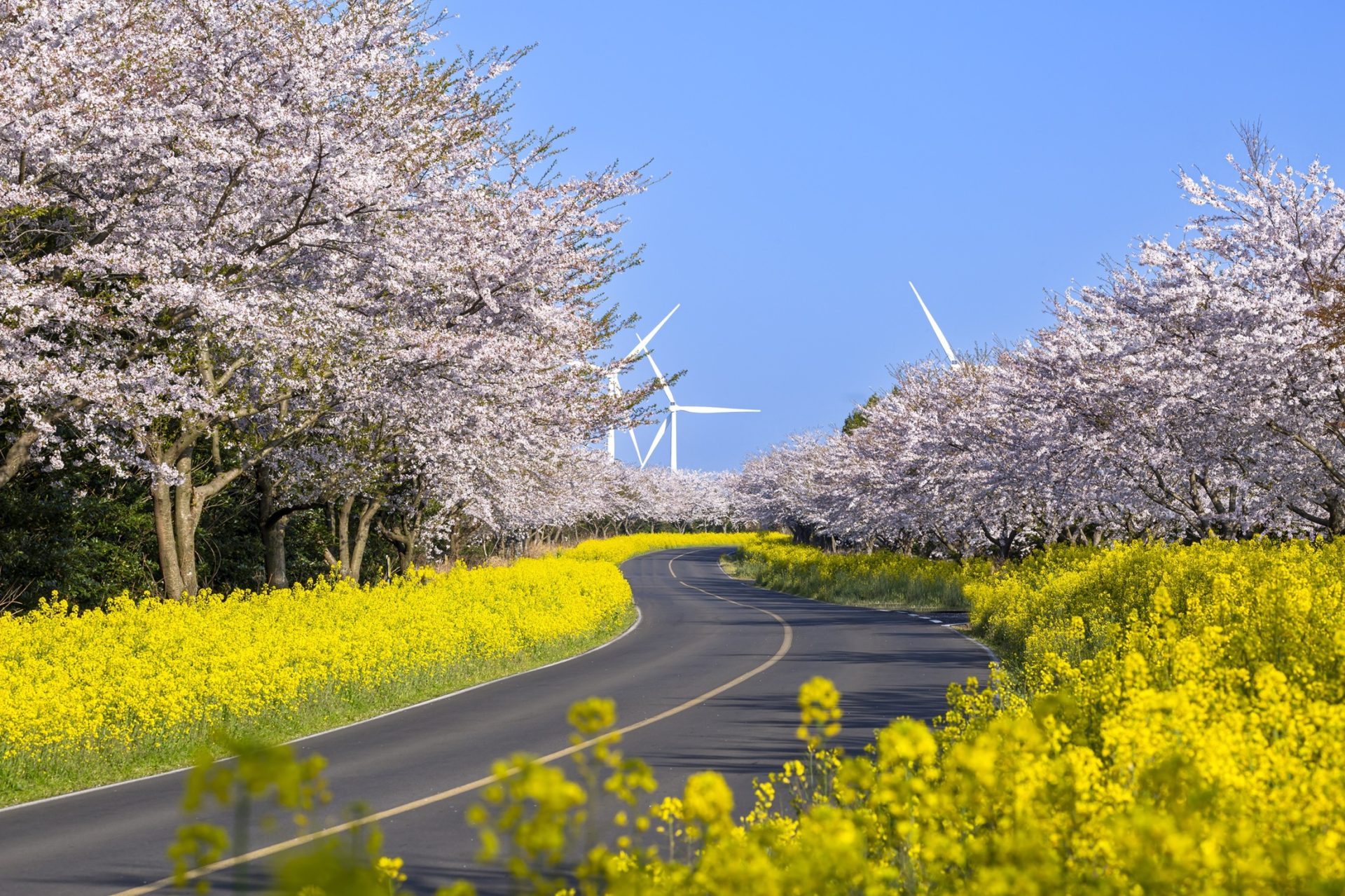
As plum and cornelian cherry blossoms fade, cherry blossoms take center stage. The legendary Hadong Cherry Blossom Road, often called the “Wedding Road,” stretches for nearly ten kilometers beneath century-old cherry trees that form a soft pink tunnel overhead. Walking here as petals fall like spring snow is an experience steeped in romance and folklore. Just beyond, the Gurye Seomjin River Cherry Blossom Road offers one of Korea’s most celebrated scenic drives, where blue river waters, rolling green mountains, and pale pink blossoms create a perfectly balanced panorama.
This spring, leave the city behind and follow the Seomjin River into one of Korea’s grandest floral landscapes—an unfolding panorama of color, light, and seasonal beauty.
Tips for Travelers: A Guide to Southern Blossom Routes
Hadong, Gurye, and Gwangyang sit close together along the Seomjin River, making them ideal for a single, well-planned journey.
- Mid-March: Follow the route Gwangyang Maehwa Village → Gurye Sansuyu Village to catch plum and cornelian cherry blossoms at their peak.
- Late March to early April: Choose Hadong Cherry Blossom Road → Gurye Seomjin River Drive for cherry blossoms in full bloom.
During festival periods, traffic congestion is common. Seasoned travelers recommend arriving at sunrise, when morning mist drifts over the river and the blossoms can be enjoyed in near silence—an unforgettable reward for early risers.
The Miracle on the River: Hangang Picnic Culture
After reconnecting with nature in the south, it’s time to experience the vibrant spring of Seoul. For Koreans, the most unmistakable sign that spring has arrived isn’t the blossoms—it’s the moment people begin to pour into the parks along the Hangang.
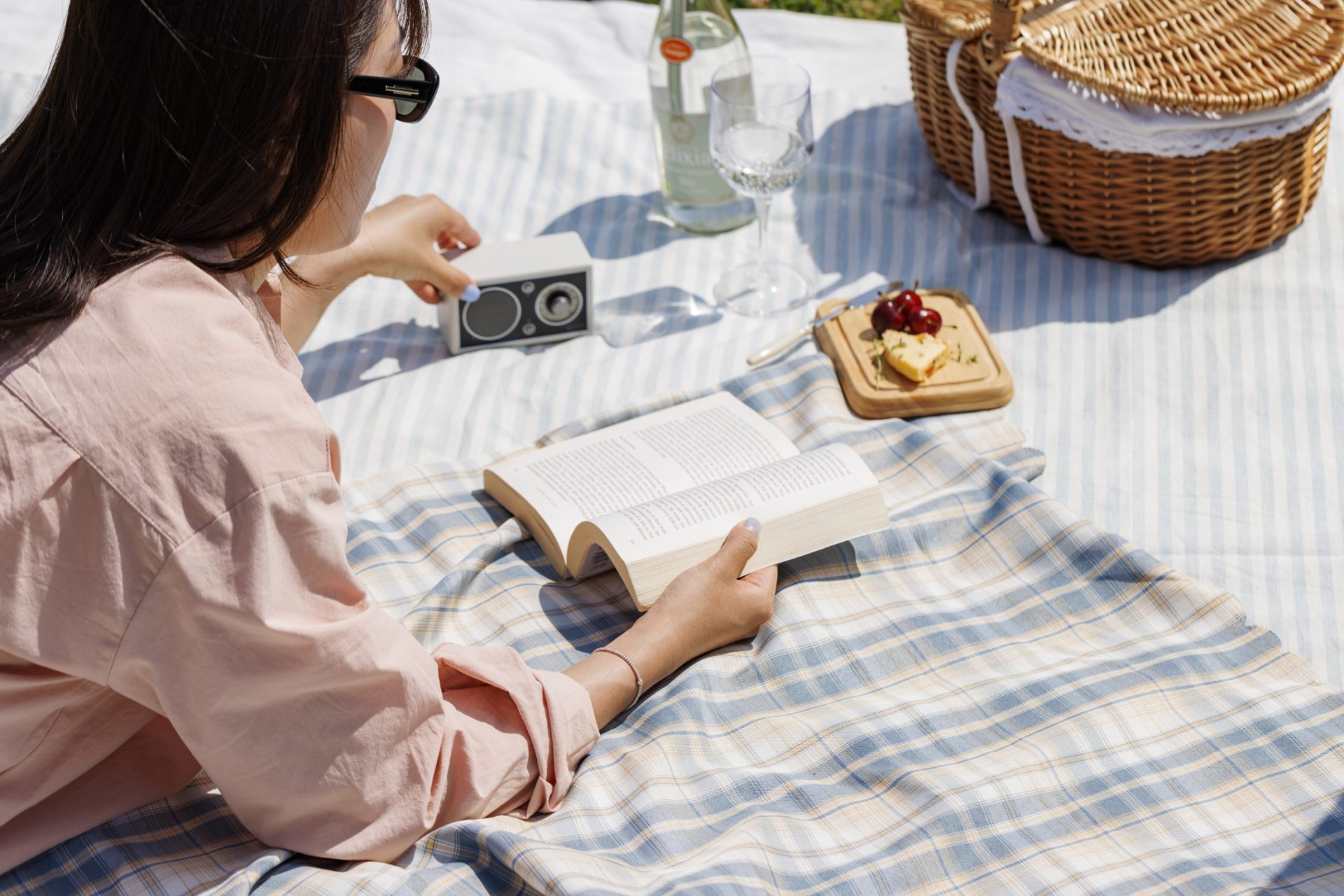
Once quiet and nearly empty through winter, Hangang parks come alive in spring with picnic mats, pop-up tents, and the sound of laughter carried on the breeze.
For international travelers, a Hangang picnic is both a cultural surprise and one of the most joyful experiences Seoul has to offer. This is not Central Park in New York, nor the riverbanks of the Seine in Paris. Here, you don’t need to plan ahead. Near the parks, rental kiosks offer everything—from picnic mats and folding tables to ambient lighting—at surprisingly affordable prices.
But the real revelation is Korea’s legendary delivery culture.
“Wait—are you telling me that hot noodles or fried chicken can be delivered directly to my picnic spot in the middle of the park?”
Yes. Absolutely.
Simply pick up your order at a designated delivery zone, carry it back to your mat, and enjoy warm chicken or pizza by the river. Pair it with a cold beer, and you’ve just experienced chimaek (chicken + beer), a ritual so beloved it has become a must-do item on many travelers’ Korea bucket lists.
As evening falls, make your way to Banpo Bridge. Here, the Moonlight Rainbow Fountain, the world’s longest bridge fountain, comes to life—dancing to music in shimmering arcs of water. Jets pulse to the rhythm of K-pop, set against Seoul’s illuminated skyline, as the river reflects the glow of the city. A cool breeze. A can of beer in hand. This is Seoul at night. This is spring in the city.
Spring at the Royal Palaces: Where History Blossoms
Seoul’s five grand royal palaces—Gyeongbokgung Palace, Changdeokgung Palace, Changgyeonggung Palace, Deoksugung Palace, and Gyeonghuigung Palace—reveal their true beauty in spring.
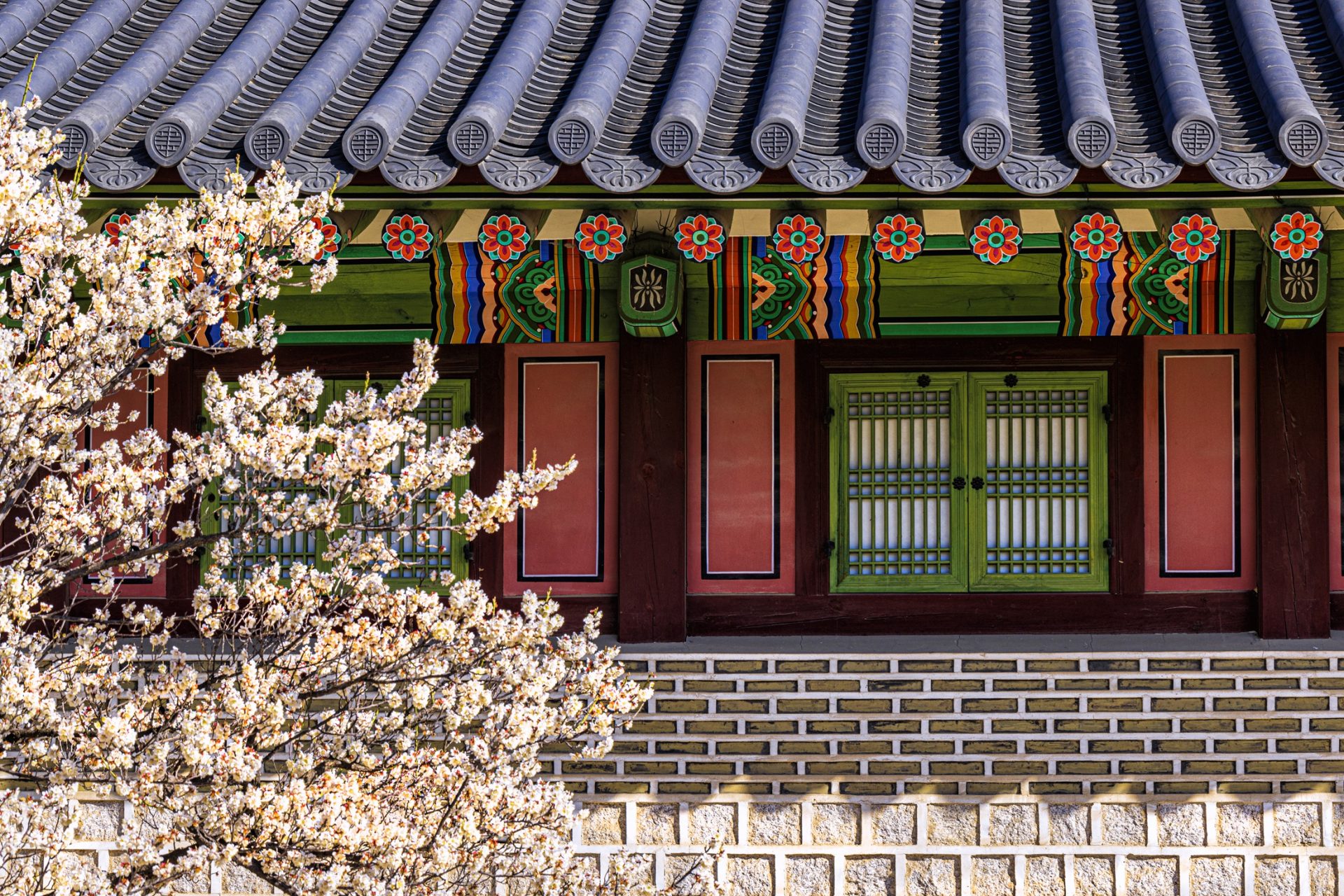
If the palaces in winter feel like black-and-white photographs, spring brings them vividly into color. Gray tiled roofs and deep red dancheong patterns are set off by bursts of yellow forsythia, soft pink azaleas, and delicate white cherry blossoms. The contrast heightens the elegance of Korea’s traditional architecture, transforming each courtyard into a living canvas.
Among them, Huwon stands apart. Once a private retreat for Joseon kings, this secluded garden preserves the land’s natural contours, allowing spring flowers to bloom as if untouched by time. Securing a reservation may feel like a small battle, but those who succeed are rewarded with rare tranquility—where the city’s noise fades away, replaced by birdsong and the rustle of wind through trees.
What completes this experience is hanbok, Korea’s traditional attire. Choose a vibrant set from one of the many rental shops near the palaces and step into history. Wearing hanbok grants free admission to all royal palaces, but more importantly, it transforms you from observer to participant—part of the scene rather than a spectator.
As the spring breeze lifts the flowing skirts and sleeves, each photograph becomes more than a souvenir.
It becomes undeniable proof that you were here—walking through Korea’s past, in full bloom.
The Flavors of Spring: A Season to Awaken the Palate
In Korea, food is inseparable from the rhythm of the seasons. Spring, in particular, is a time to revive the senses—to restore appetite, energy, and balance after the long winter months. This is the season when Koreans eat not just f or pleasure, but for renewal.
Korean Strawberries: Nature’s Perfect Sweetness
Korean strawberries have earned global recognition for their exceptional sweetness and fragrance. In spring, hotel lounges across the country host lavish strawberry buffets—elegant showcases of cakes, tarts, and desserts built entirely around this beloved fruit.
But the purest experience is often the simplest. Bite into a fresh strawberry from a local market, and you may be surprised by its intensity—so naturally sweet it tastes as though sugar has already been sprinkled on top. It’s a small moment, but one that lingers.
Spring Namul Bibimbap: A Bowl of Renewal
Spring also brings namul—wild greens such as shepherd’s purse, wild chives, and sow thistle, which push through frozen soil after winter’s end. These hardy plants carry bold aromas and a deep sense of vitality, long valued in Korean cuisine.
Mixed with steamed rice, gochujang (chili paste), and fragrant sesame oil, spring namul bibimbap becomes more than a meal. It is a bowl of balance and awakening—often described as Korea’s most natural form of “detox,” restoring both body and appetite with every bite.
To taste spring in Korea is to eat with the season, not against it.
Long after the meal ends, the season remains—quietly, on the palate.
A Festival of Light and Hope: The Lotus Lantern Festival
As spring draws to a close in May, Korea begins to glow with a different kind of light. This is the season of Lotus Lantern Festival, a celebration honoring the birth of the Buddha. Recognized by UNESCO as an Intangible Cultural Heritage of Humanity, the festival has long since grown beyond religion—becoming a celebration open to all, regardless of belief.
In central Seoul, particularly around Jongro, traffic gives way to people. Streets are closed, and hundreds of thousands of lanterns begin to move like a glowing river through the city. Towering lanterns shaped like dragons, tigers, lotus flowers, and pagodas—crafted from paper and bamboo—illuminate the night, creating a spectacle that is both majestic and deeply human.
But the Lotus Lantern Festival is not just something to watch. Visitors from around the world are invited to take part. Lantern-making workshops allow participants to craft their own lanterns, write down personal wishes, and join the procession alongside locals.
Walking through the city with a lantern in hand, surrounded by soft light and quiet smiles, is an experience that transcends language. The glow may fade by morning—but the warmth, the sense of shared hope, lingers long after.
Spring on the Streets: Fashion & Shopping in Korea
In spring, Korea’s streets transform into an open-air runway. As heavy winter padding disappears, Koreans step out in trench coats, lightweight cardigans, and pastel-toned jackets, turning the city into a moving palette of soft color and confident style.
The defining keyword of Korean spring fashion is kku-an-kku—short for “kkumin deut an kkumin deut,” meaning “styled as if not styled.” Often translated as effortlessly chic, it captures a uniquely Korean aesthetic: looks that feel natural and relaxed, yet are meticulously balanced. Nothing appears overdone, but every detail feels intentional.
For those eager to shop the look, head straight to Seongsu-dong. Often dubbed “Brooklyn of Seoul,” this former industrial district has reinvented itself as one of the city’s most dynamic creative hubs. Old factories now house design-forward cafés, concept stores, and a rotating lineup of pop-up shops from emerging Korean designers.
In spring 2026, Seongsu-dong is where K-fashion and K-beauty trends debut first—before they spread across Asia and beyond. Whether you’re browsing limited-edition sneakers, minimalist ready-to-wear, or the latest skincare innovations, this is the place to discover what Korea will be wearing next.
And as spring moves through the streets, style becomes just another way Korea tells its story.
Travel Essentials: Weather & Survival Kit for Spring in Korea
Now for the practical details. Spring in Korea is undeniably beautiful—but its weather can be as unpredictable as a fickle lover. A little preparation goes a long way.
The Weather
- March
“Is it winter—or spring?” is a common question this time of year. Temperatures typically range from 0°C to 10°C (32°F–50°F), but sudden cold snaps are not unusual. This phenomenon, known locally as ggot-saem-chu-wi—literally “the cold that envies flowers”—can briefly push temperatures back below freezing. Don’t let the blossoms fool you. - April
Often considered the ideal month for travel. Daytime temperatures hover between 10°C and 20°C (50°F–68°F), pleasantly warm under the sun. After sunset, however, the air cools quickly. With daily temperature swings of 10 degrees or more, it’s easy to catch a cold if you’re unprepared. - May
Spring at its most comfortable—and the gateway to early summer. Expect clear skies and mild weather, averaging 15°C to 25°C (59°F–77°F). This is peak season for outdoor festivals and long walks.
Packing List: What You’ll Actually Need
- Master the art of layering
This is the golden rule of spring travel in Korea. Choose clothes that are easy to put on and take off. Lightweight layers work best: a trench coat, denim jacket, or soft cardigan is essential. The local formula is simple—short sleeves by day, a jacket by night. - A mask (KF94)
Not the most romantic advice, but an honest one. In spring, Korea can occasionally be affected by yellow dust and fine particulate matter. Check air-quality apps daily, and pick up a KF94 mask from any convenience store if needed. - Comfortable shoes
From the rolling hills of Gwangyang’s plum villages to the long cherry-blossom paths of Hadong, walking is part of the experience. Leave the heels behind—comfortable sneakers will serve you far better. - Skincare essentials
Spring breezes can be surprisingly dry. Lip balm and hand cream are small items that make a noticeable difference.
Spring in Korea rewards travelers who come prepared. Pack smart—and let the season do the rest.
Epilogue: Spring, and the Courage to Begin Again
Spring in Korea has always meant one thing above all else: beginnings.
A new school year starts. Dormant landscapes stir back to life. And across the country, energy returns in its most vivid form.
That energy doesn’t stop with the seasons.
It reaches the traveler, too.
If our winter issue found us indoors—sharing warmth, peeling tangerines on heated floors, and lingering in quiet moments of jeong—this spring invites something different. Lace up your sneakers. Step outside. Let the air move you forward.
Find your own spring on the sunlit plum hills of Gwangyang, along the golden stone paths of Gurye’s cornelian cherry villages, or beneath the drifting petals of Hadong’s cherry blossom tunnels. Each place offers not just scenery, but a pause—a chance to notice where you are, and where you might go next.
Look for the smiles hidden behind dust masks. Catch a falling cherry blossom petal in your hand and make a wish. (There’s a charming local belief that doing so brings your first love closer to reality.)
In the spring of 2026, Korea is dressed in its brightest colors, waiting patiently.
All that remains is for you to step into the season—and claim it as your own.
Welcome to spring in Korea.