The History of Ice, From Power to Popular Aesthetics
Korea’s cold dessert culture is not merely a matter of taste. It is deeply rooted in a long history of meticulous temperature control.
During the Joseon era, natural ice harvested from the Han River and stored in royal icehouses, Dongbinggo and Seobinggo, was a state controlled resource and a symbol of royal authority. Each year, ice was collected in early winter and preserved for use from the spring equinox through the autumn equinox. This system, often referred to as the politics of ice, played a central role in shaping Korea’s cold food traditions.
Ice was used in royal ancestral rites and court banquets, and it was distributed to high ranking officials through the system of sabing, or royal ice grants. Through these practices, a distinctly Korean culture of cold cuisine began to take form.
Modern K-desserts are the result of this transformation. Ice, once a symbol of power and privilege, has evolved through technological advancement into a form of accessible and popular aesthetics enjoyed by all.
Bingsu: The Ultimate Texture Crafted by Freezing and Shaving
Historical Context: Ice Storage Systems and the Origins of Bingsu
According to Pungsokhwacheop by Seong Hyeop and various historical records, the royal court of the Joseon era enjoyed an early form of shaved ice dessert known as bingrak. Finely crushed ice was topped with honey and seasonal fruits, typically cherries or peaches, marking the prototype of what we now recognize as bingsu.
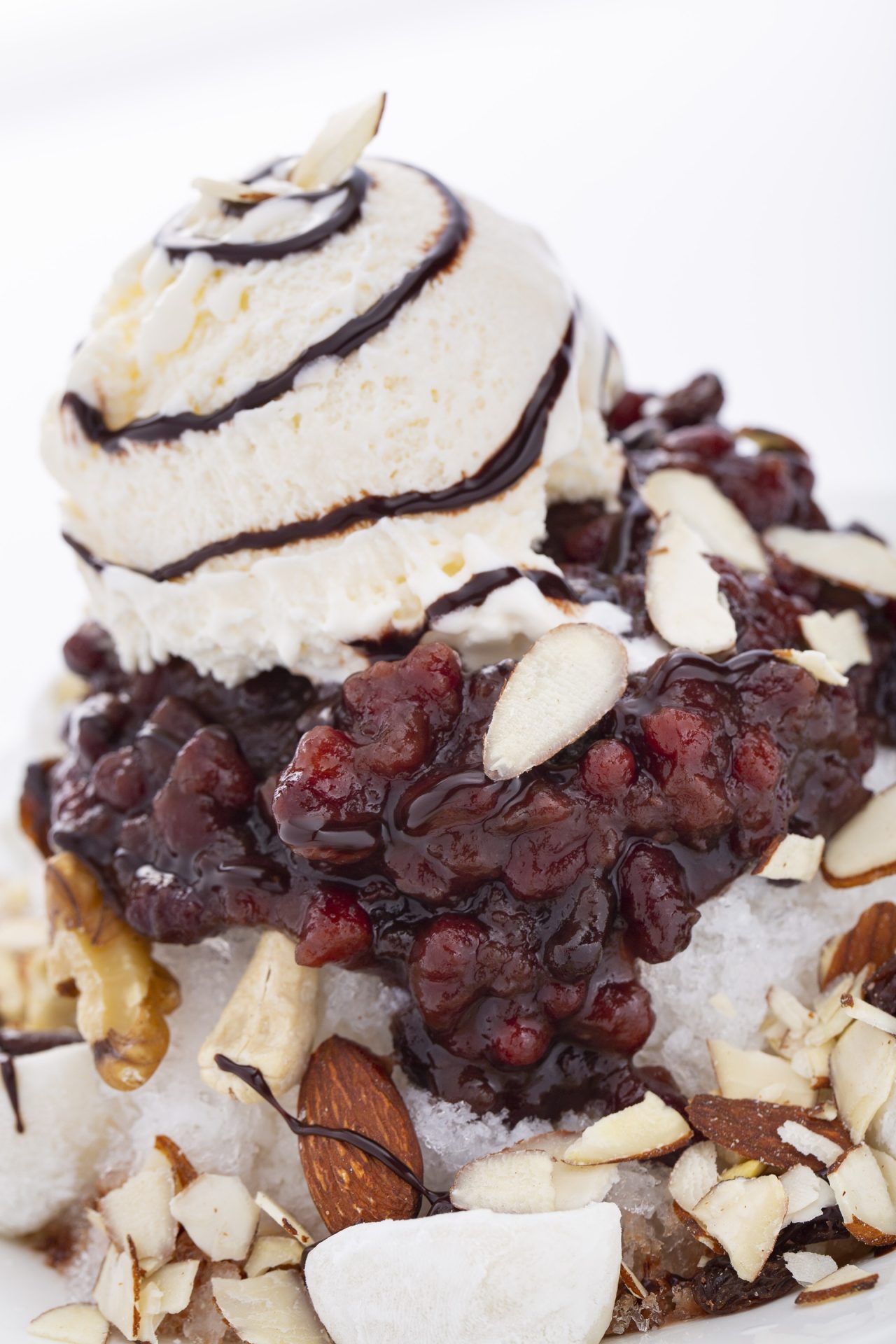
In the mid 1910s, with the advent of modern ice making technology, artificially produced ice became widely available. This led to the emergence of street style shaved ice influenced by Japan’s kakigōri. However, Korea transformed this imported concept into something entirely its own by incorporating local ingredients such as sweet red bean paste, rice cakes, and soybean powder, giving rise to the uniquely Korean dessert known as patbingsu. From the 1970s onward, bakery style bingsu further refined and standardized the dessert, establishing it as a cornerstone of Korea’s modern dessert culture.
The Thermodynamics of Milk Freezing and Shaved Ice Particles
The global competitiveness of modern Korean bingsu lies in the physical properties of ice itself, a precise intersection of science and texture.
Dual Freezing Technique
Water and milk freeze at different temperatures. Pure water solidifies at 0°C, while milk, containing fat and sugar, begins to freeze between approximately -0.5°C and -3°C. Korean snowflake bingsu machines rapidly freeze this milk based mixture in drums cooled to below -30°C, forming a dense and stable crystalline structure.
Particle Dynamics
Using specially engineered blades, the frozen milk is shaved into ultra thin flakes measuring just 0.3 to 0.5 mm in thickness. This dramatically increases surface area, allowing the ice to absorb latent heat instantly upon contact with the mouth.
As a result, the cooling sensation is transmitted immediately to the brain’s frontal lobe, creating an intense and refreshing effect. This powder snow texture, which melts effortlessly without chewing, represents the technological pinnacle unique to Korean bingsu.
Sweet Red Bean (Pat): The Aesthetics of Amylose Gelatinization and Sugar Infusion
At the heart of bingsu lies pat, or sweet red bean, a product of meticulous culinary science.
The Process of Gelatinization
When heat and water are applied, the starch granules in red beans swell and soften, a process known as gelatinization. To achieve the ideal texture, where the beans remain intact while the interior becomes creamy, Korean artisans use techniques such as saltwater soaking to remove bitterness and a multi stage heating method to carefully control the cooking process.
The Science of Sugar Content
The sweetness is typically calibrated to around 40 to 50 degrees Brix. This range represents the optimal balance perceived by human taste when combined with cold ice, while also preserving the natural saponin notes of the red bean.
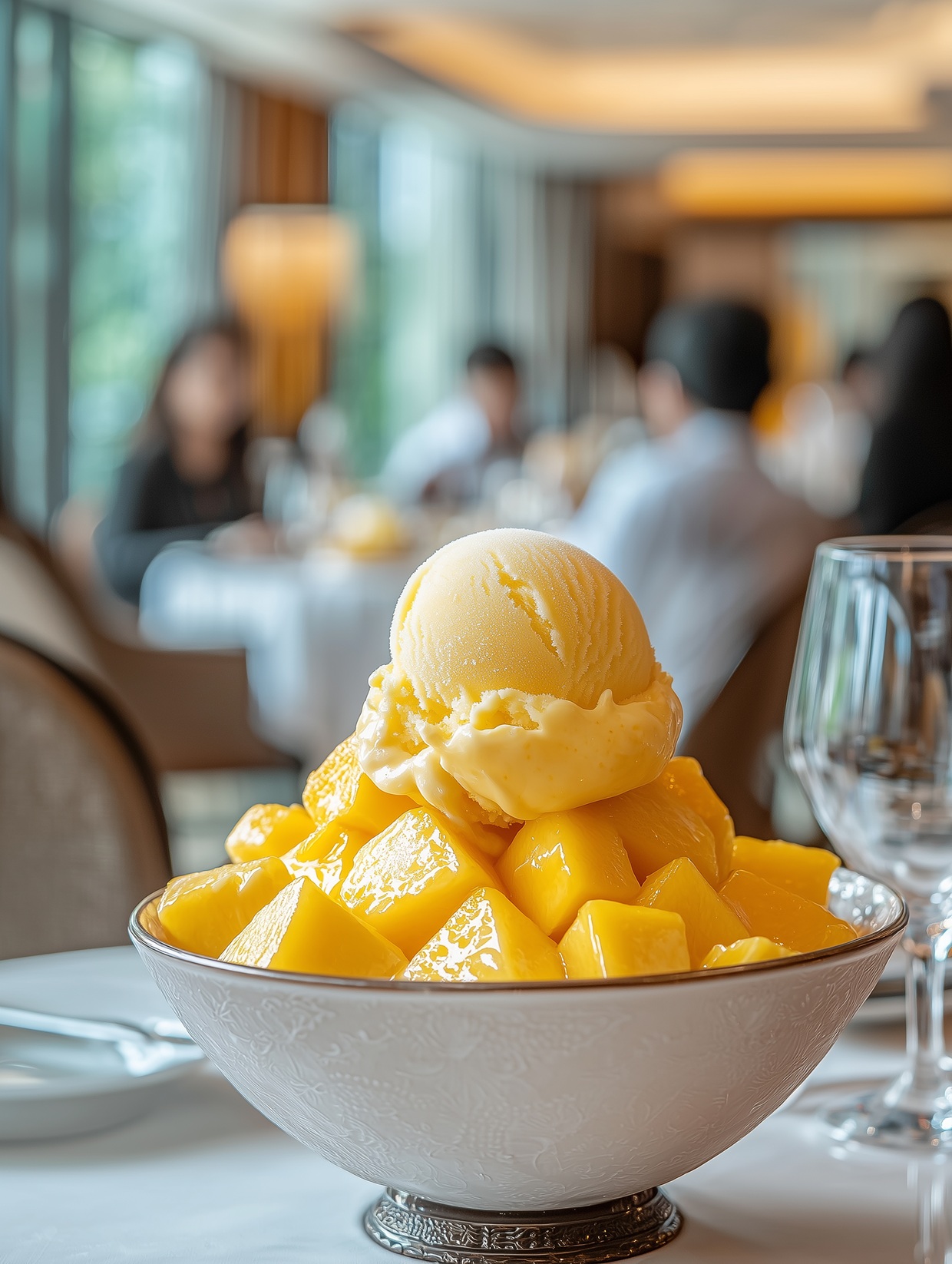
The Economics of Hotel Bingsu: Apple Mango and the Value of Premium Consumption
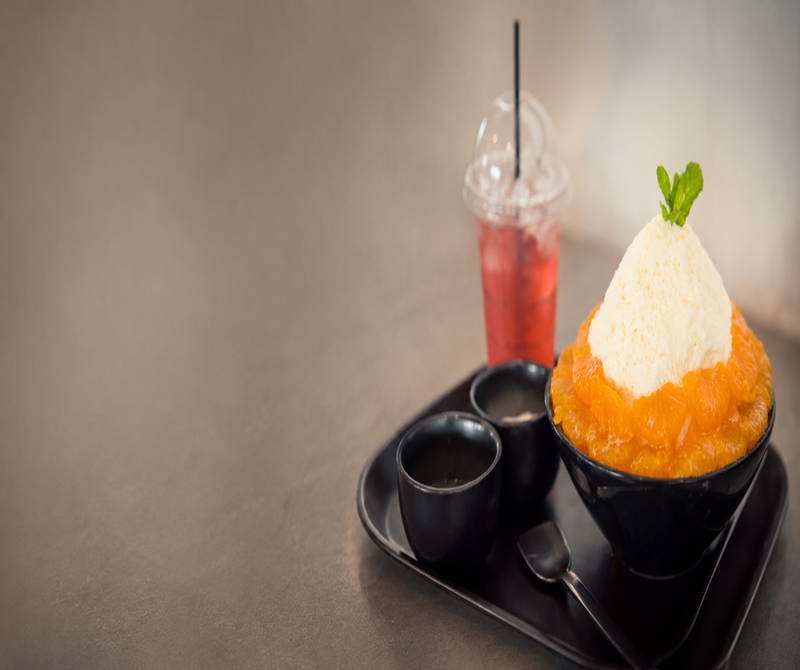
The phenomenon of apple mango bingsu, which originated in five star hotels, represents a fusion of Korea’s advanced agricultural technology and luxury consumption driven by capital.
Jeju Apple Mango, Irwin
Unlike imported varieties from Taiwan, Jeju grown apple mangoes are tree ripened before harvest, reaching a sweetness of 16 to 20 degrees Brix. A single serving of hotel bingsu often contains more than one kilogram of mango, resulting in exceptionally high ingredient costs. Yet despite this, reservations sell out rapidly, driven by the rarity and prestige of top tier produce.
Spatial Consumption and the Veblen Effect
With prices exceeding 100,000 KRW, this dessert is not merely about taste. It includes the refined atmosphere and service of a luxury hotel lobby, creating a form of spatial consumption in which the experience itself becomes part of the value.
The result is a uniquely Korean expression of small luxury culture, where the Veblen Effect, deriving satisfaction from high priced goods, is combined with genuine sensory pleasure.
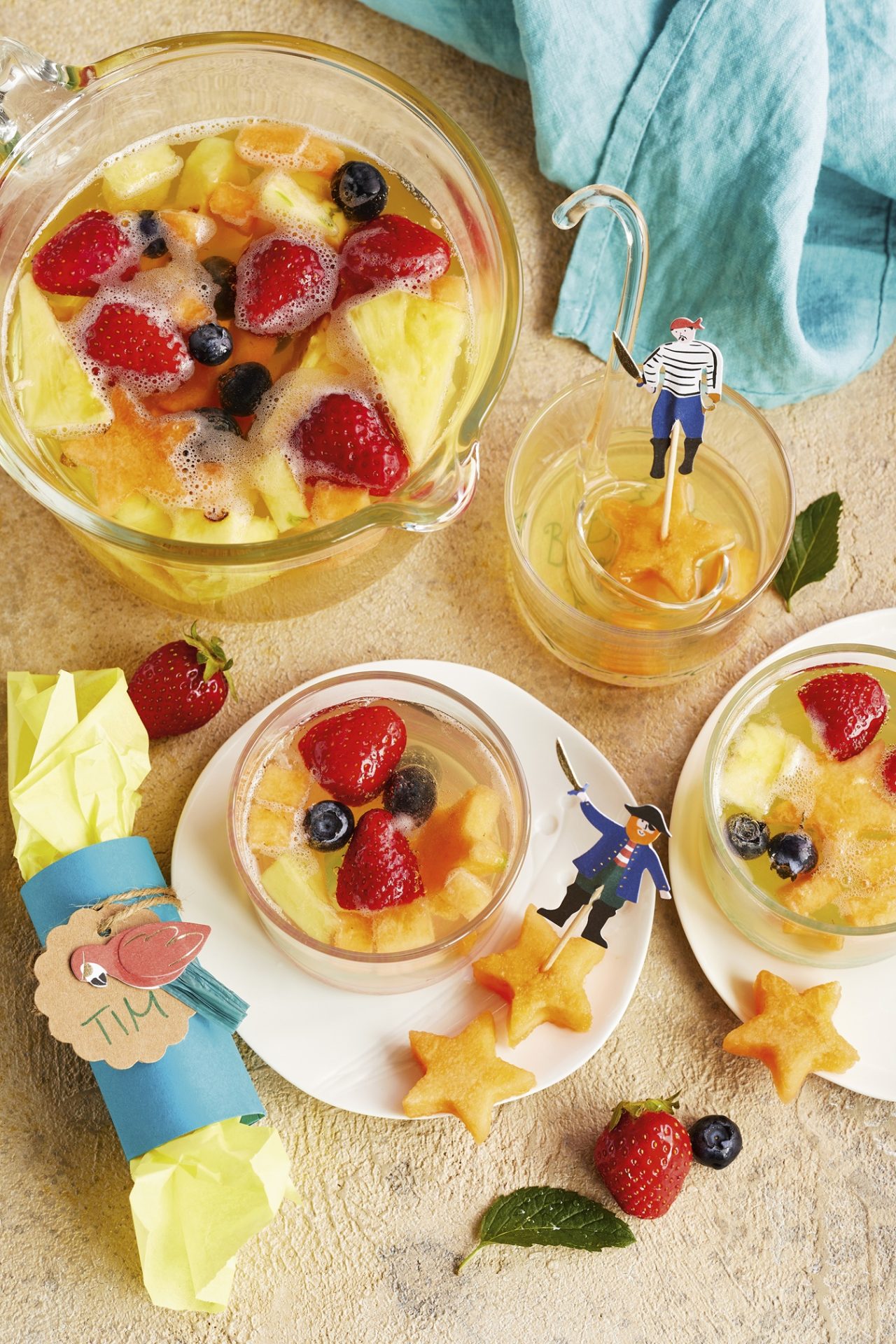
Hwachae: Hydration and the Harmony of Osmosis
Royal Hwachae: Preserving Organic Acids and Natural Pigments of Omija
Omija hwachae, a summer beverage of the Joseon royal court, was far more than a simple refreshment. It functioned as a scientifically balanced drink. The compound schizandrin found in omija, often called the five flavor berry, is known for its liver protective and fatigue reducing properties, while its rich organic acids help relieve internal heat and quench thirst during the oppressive summer months.
Notably, omija is steeped slowly in cold water rather than boiled. This method preserves heat sensitive vitamins and the vivid anthocyanin pigments responsible for its deep red hue. If prepared in hot water, the color would dull and the astringency would intensify.
Floating pine nuts on the surface adds more than visual elegance. Their natural fats act as a buffer, protecting the stomach lining from the acidity of omija while aiding the absorption of fat soluble nutrients. It is a refined example of nutritional balance.
Jindallae hwachae, Azalea Petal Punch
In the royal court, preserved azalea petals were sometimes added to the crimson omija base. Using the technique of jeonyuhwa, the petals are lightly coated in starch and briefly blanched, allowing them to retain their shape while gaining a delicate chewiness. The image of soft pink petals floating on a red surface embodies the essence of Korean aesthetics, a harmony of color and negative space.
Bae hwachae, Pear Punch
Also known as munso, this variation features thinly sliced pears carved into flower shapes and placed in omija infused liquid. Pears contain luteolin, which helps protect the respiratory system, while their natural digestive enzymes soothe the stomach after rich summer meals.
The crisp texture of the pear combined with the tartness of omija creates a refreshing contrast, making it an ideal palate cleanser that is both cooling and restorative.
Watermelon Hwachae: The Fusion of Lycopene and Hydration Electrolytes
If royal hwachae embodies a refined and composed elegance, the watermelon version enjoyed by the public represents a dynamic and practical achievement of nutritional science.
Composed of about 92 percent water, watermelon delivers intense hydration, while citrulline supports kidney function, promotes diuresis, and helps reduce swelling. Its rich content of lycopene, a powerful antioxidant, also protects skin cells from damage caused by prolonged sun exposure. A uniquely Korean approach is the addition of milk, which compensates for watermelon’s lack of protein and calcium, creating a more balanced nutritional profile. Carbonated beverages are sometimes added as well, their bubbles stimulating the taste buds and enhancing the sensation of refreshment, effectively awakening a summer weary appetite.
Cultural Sentiment and Sharing
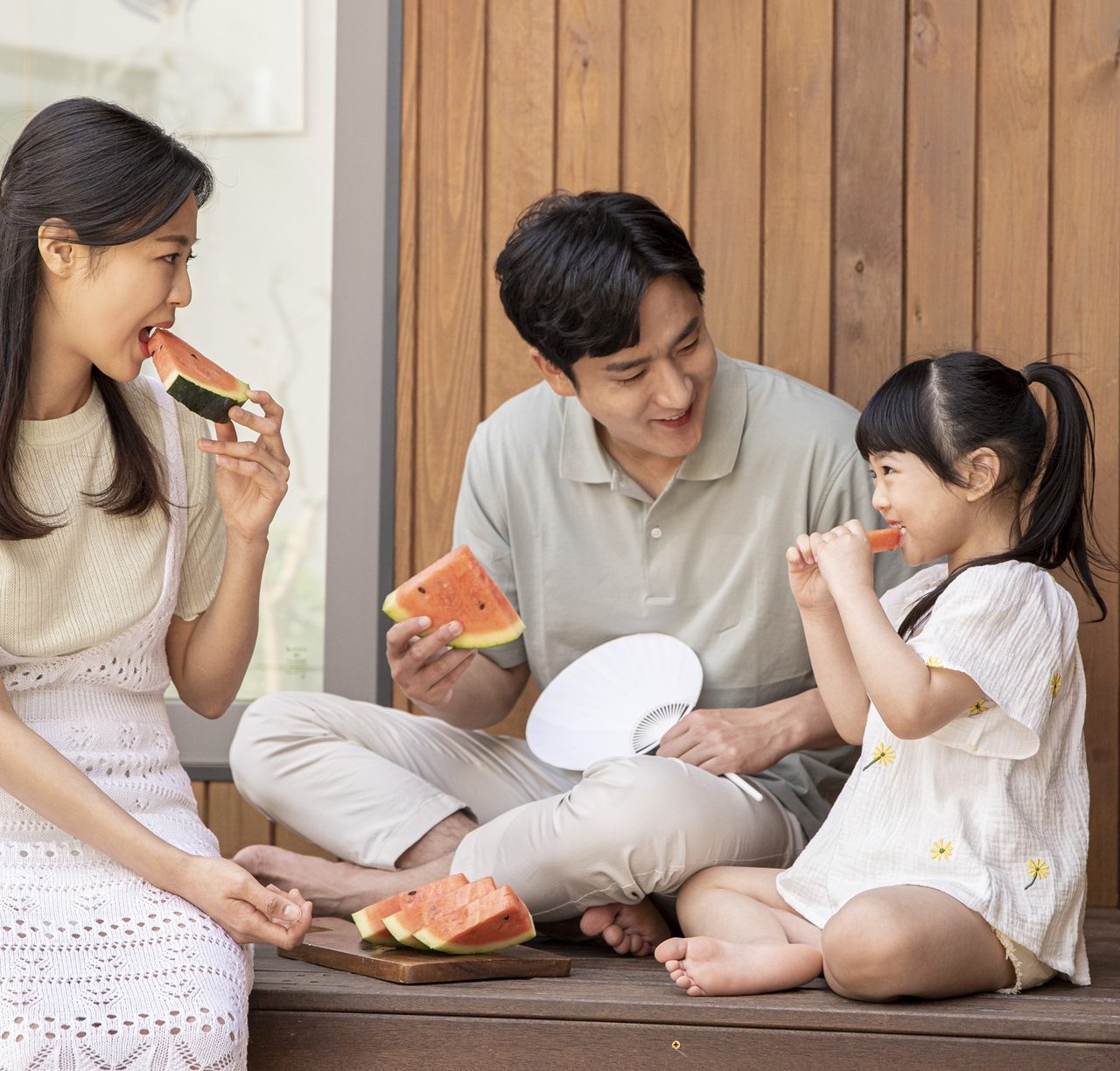
Watermelon hwachae carries a strong sense of community. Traditionally, the hollowed out watermelon itself becomes a serving bowl, placed at the center of a low table where family members gather and share it together with clinking spoons.
That simple communal moment, filled with laughter and cool sweetness, remains deeply embedded in Korean memory as the essence of summer nostalgia and perhaps the most refreshing form of rest.
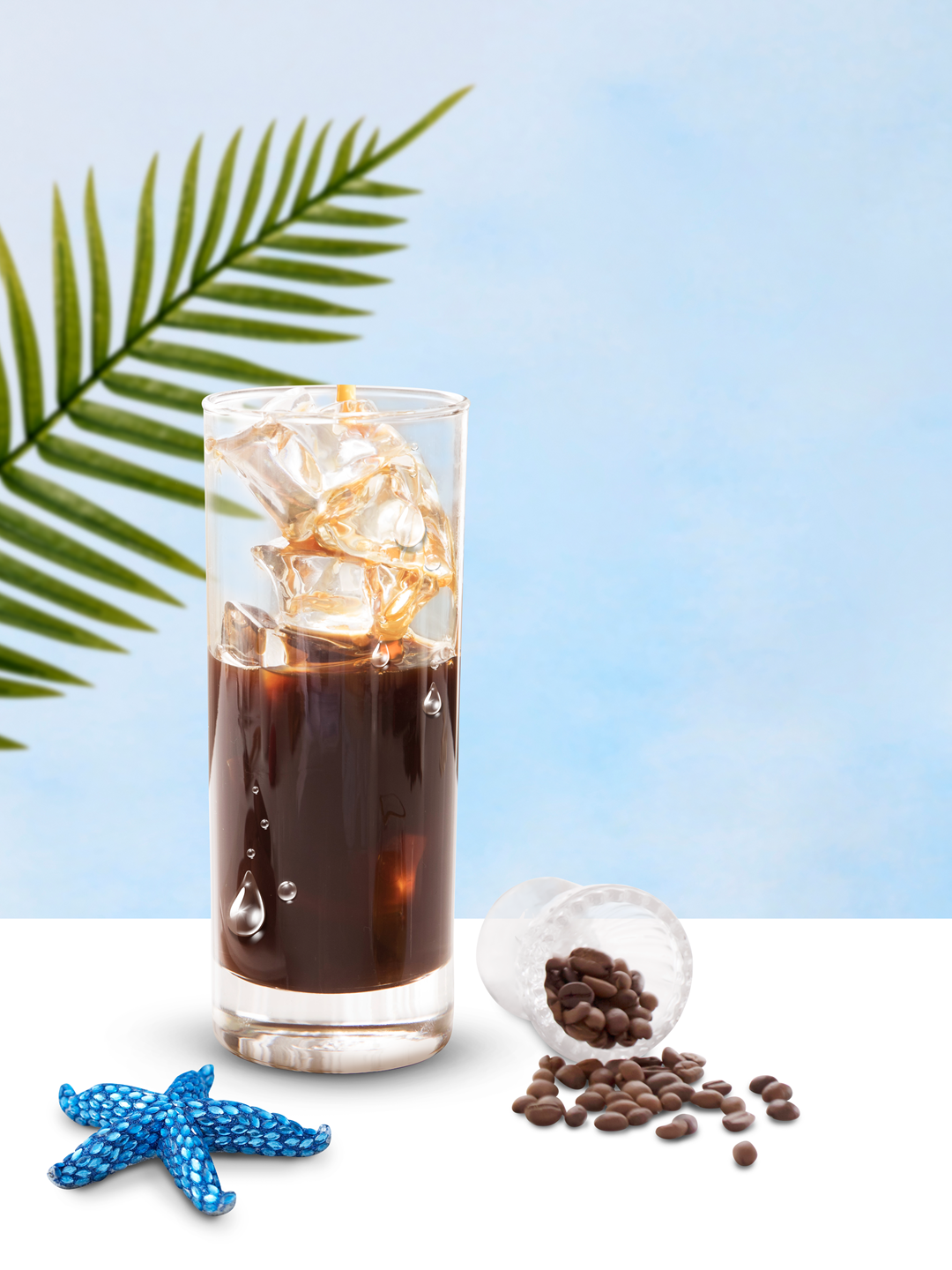
Iced Americano: Caffeine Metabolism and Korea’s Work Productivity
The Economics of Caffeine
Korea’s coffee consumption is nearly three times the global average, and at the center of this phenomenon is the overwhelming preference for the iced Americano. This preference is closely tied to Korea’s high density and fast paced work environment.
Rapid Stimulation
Compared to hot beverages, iced drinks are absorbed more quickly by the body, delivering the effects of caffeine at a faster rate. At the same time, they help lower body temperature instantly, sharpening focus and enhancing work efficiency.
The Eoljukah Phenomenon
The trend of insisting on iced Americanos even in winter, known as eoljukah, meaning iced Americano no matter how cold it is, goes beyond mere habit or fashion. It reflects a physiological response to modern indoor heating environments and an elevated core body temperature caused by stress.
In this sense, the iced Americano has become more than a drink. It is a symbol of contemporary Korean life, dynamic, relentless, and constantly in motion.
Source:
- Naver Dictionary: https://dict.naver.com
- Cultural Heritage Administration of Korea: https://www.khs.go.kr