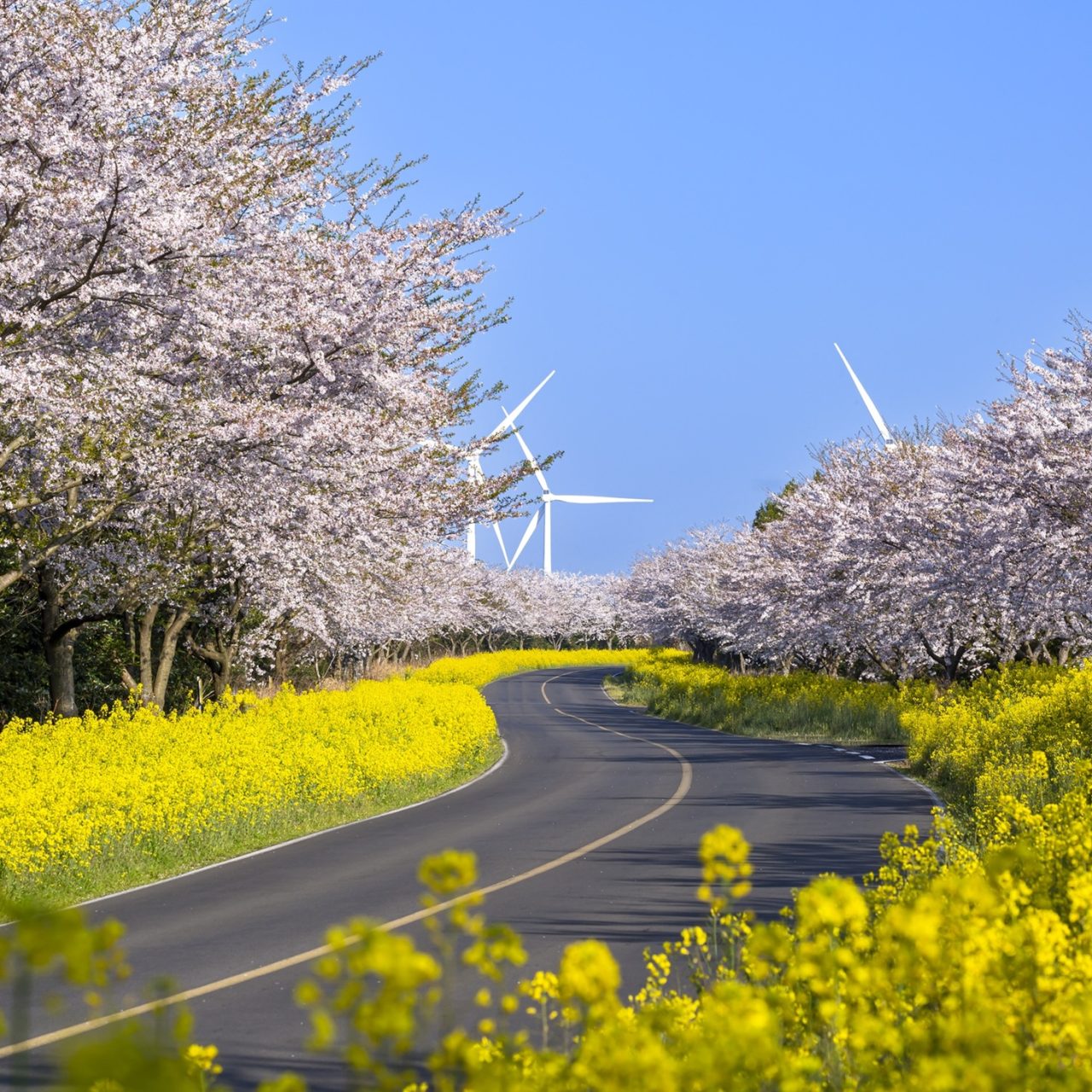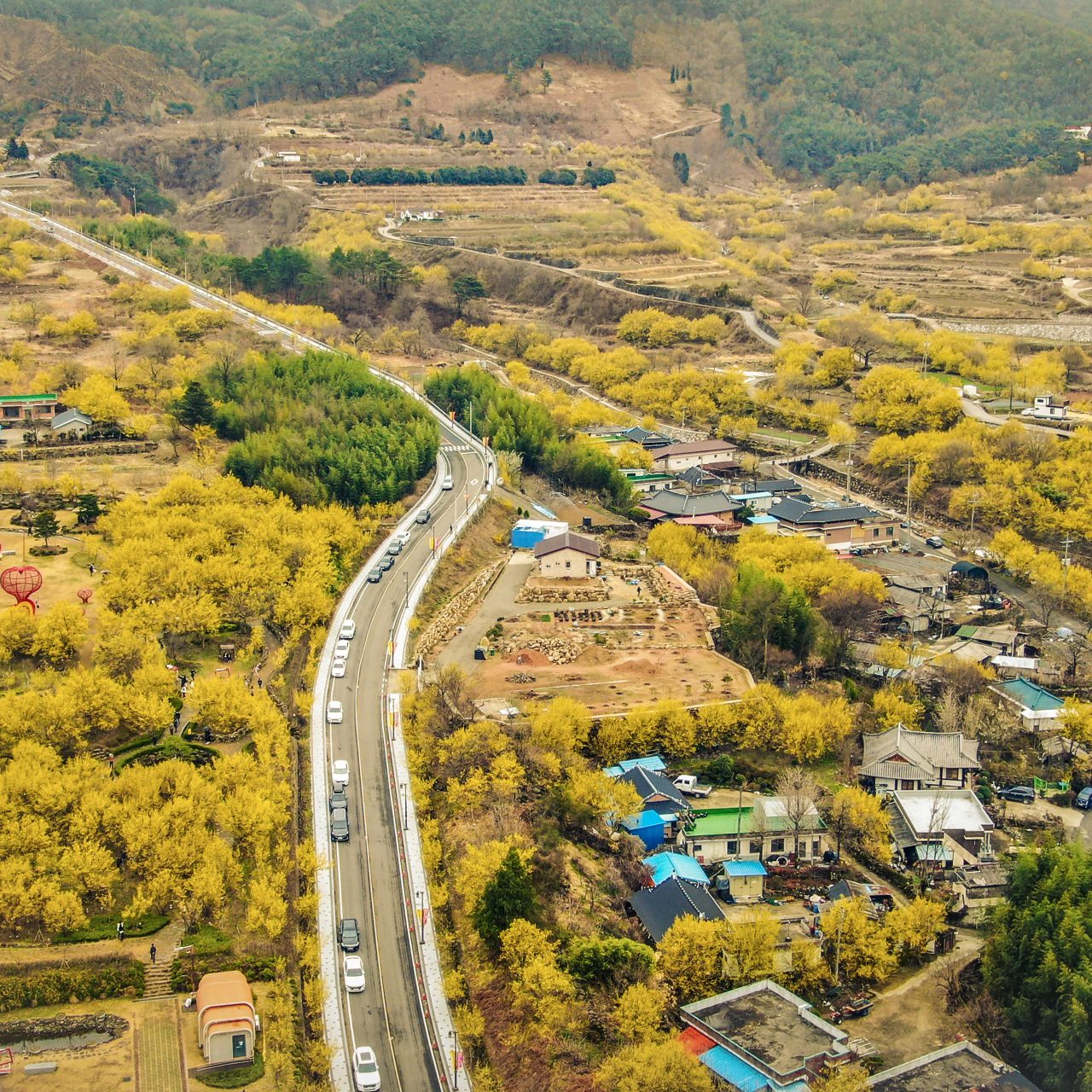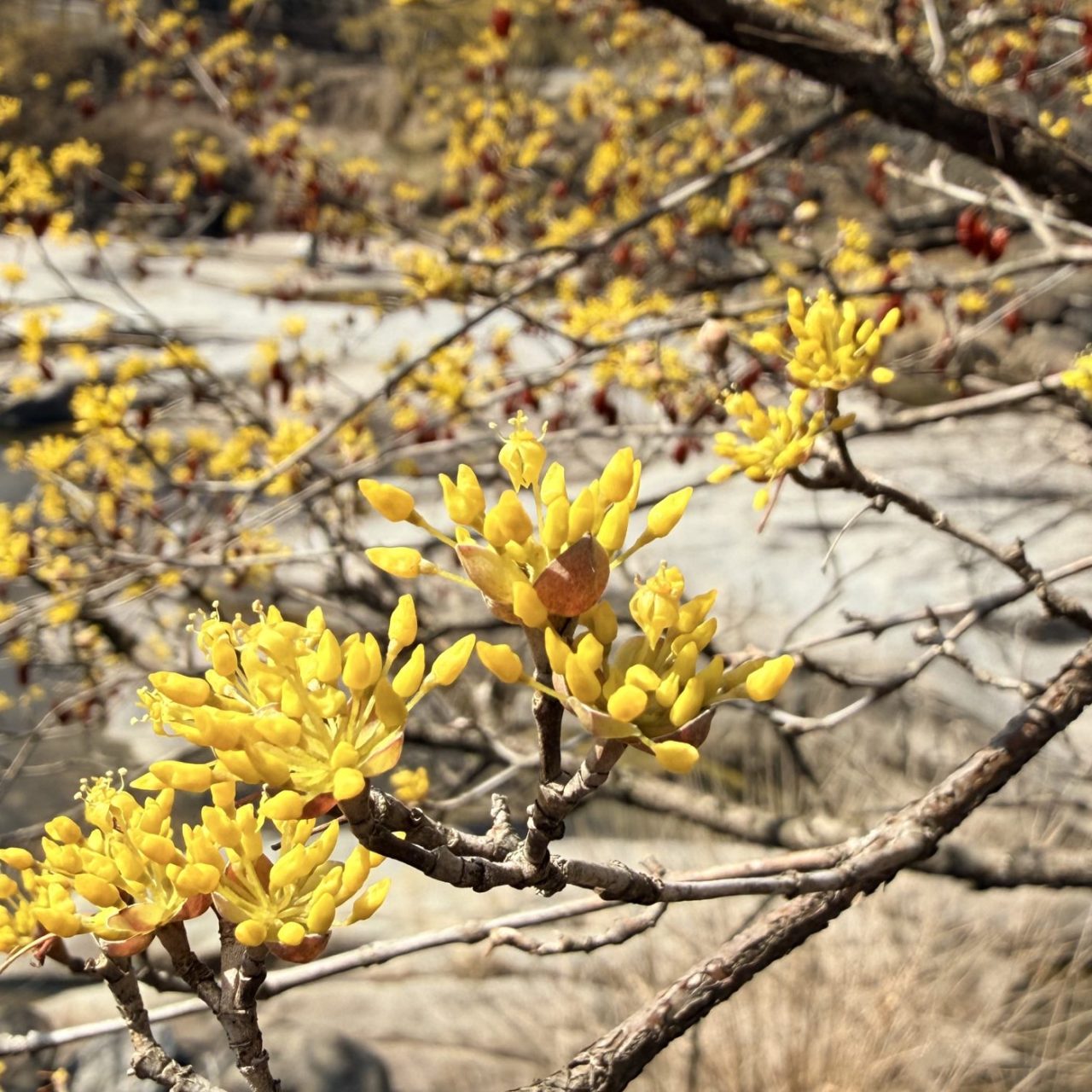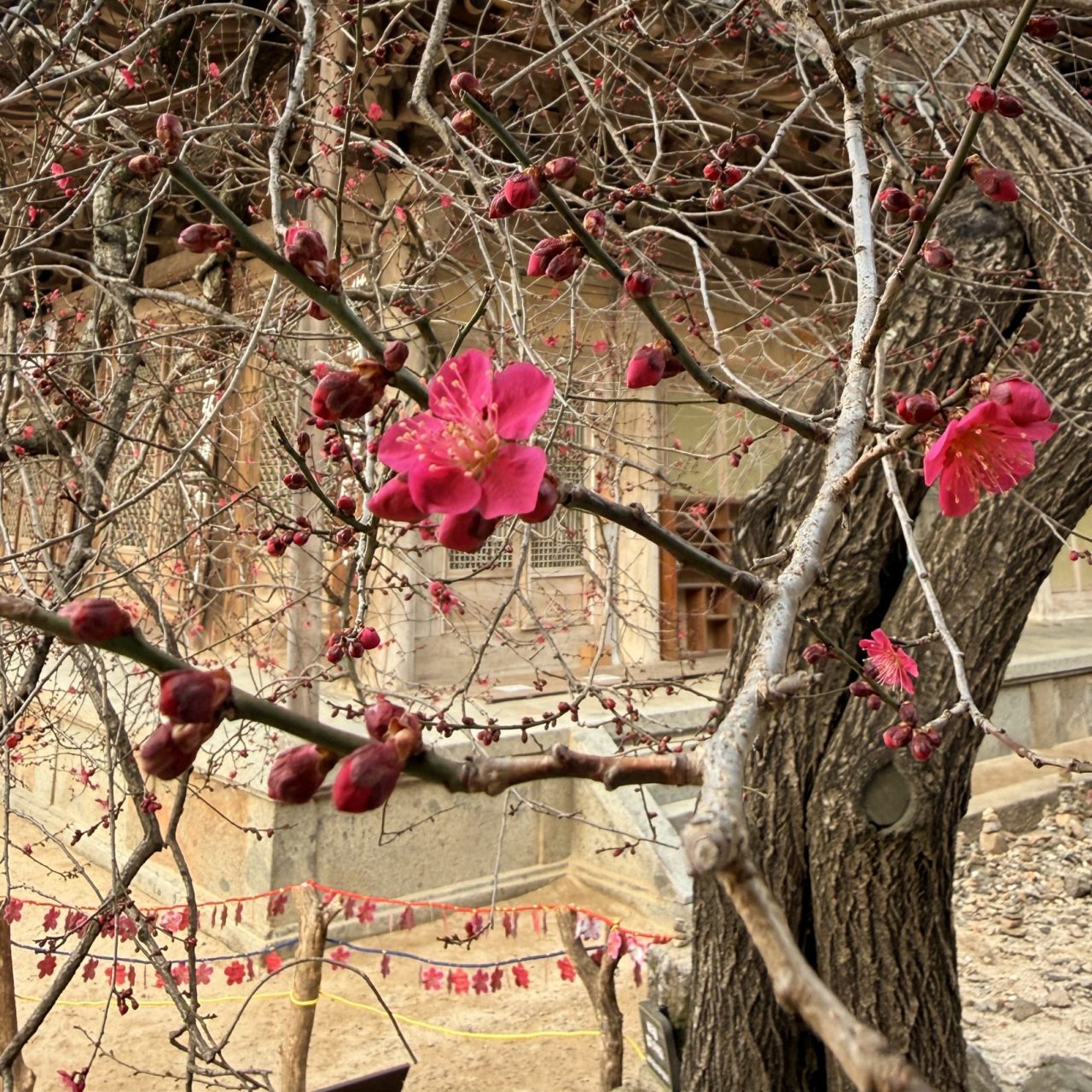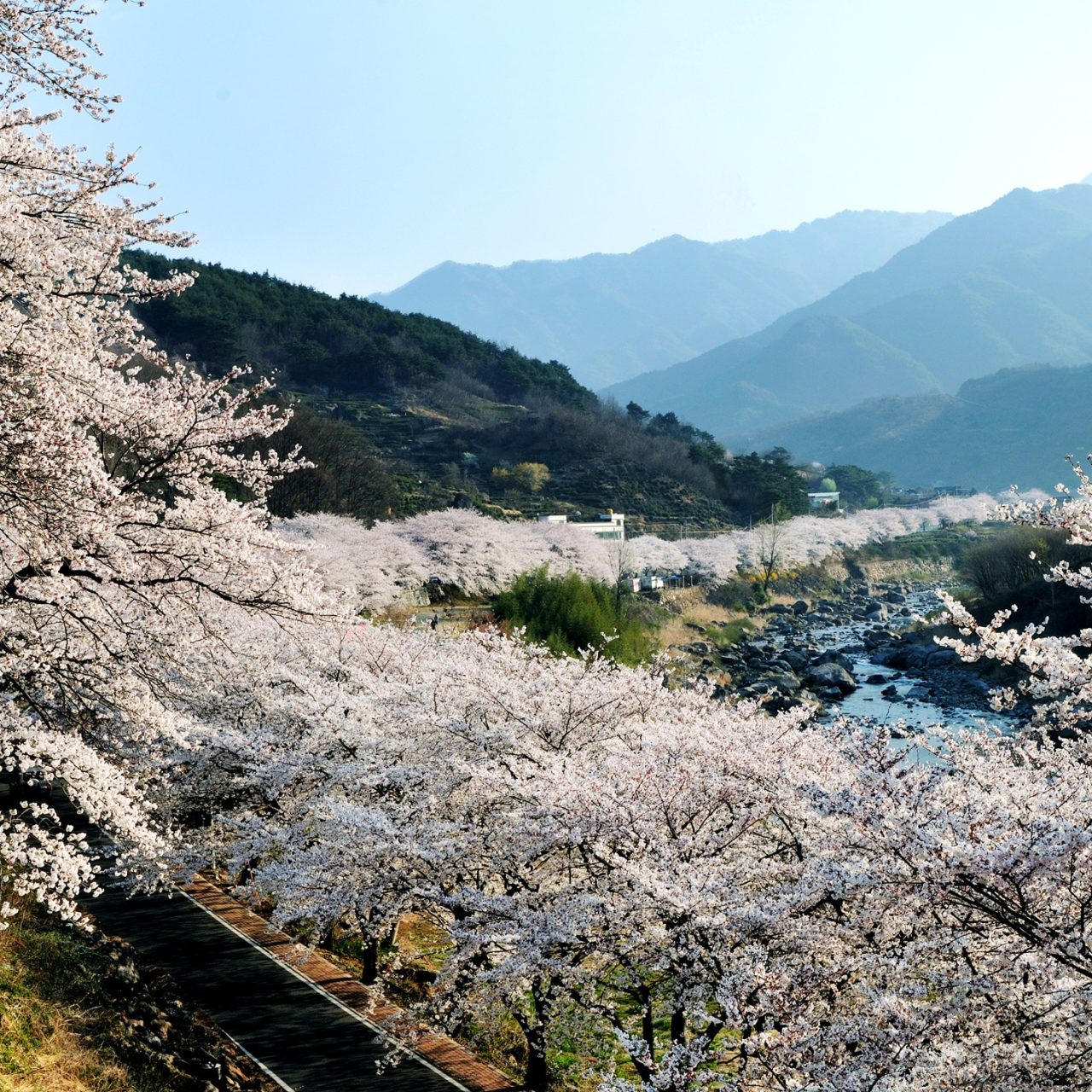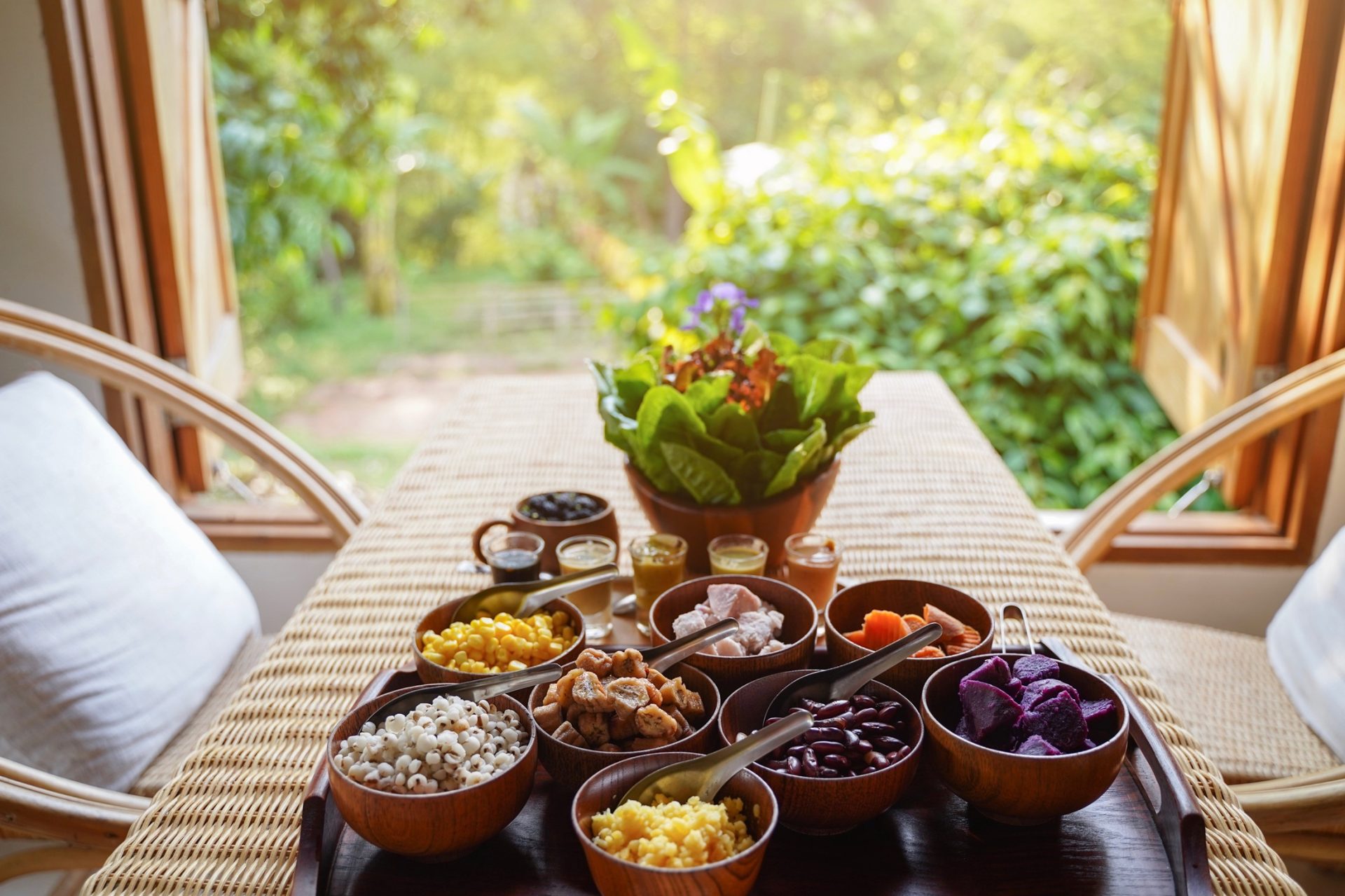
This guidebook is written not for travelers who simply pass through Korea, but for those who wish to step deeply into the heart of Korean food culture. Through food, Koreans have long learned how to live with nature, how to endure harsh seasons, and how to restore balance to the body and mind.
This book explores three key elements that define Korean cuisine:
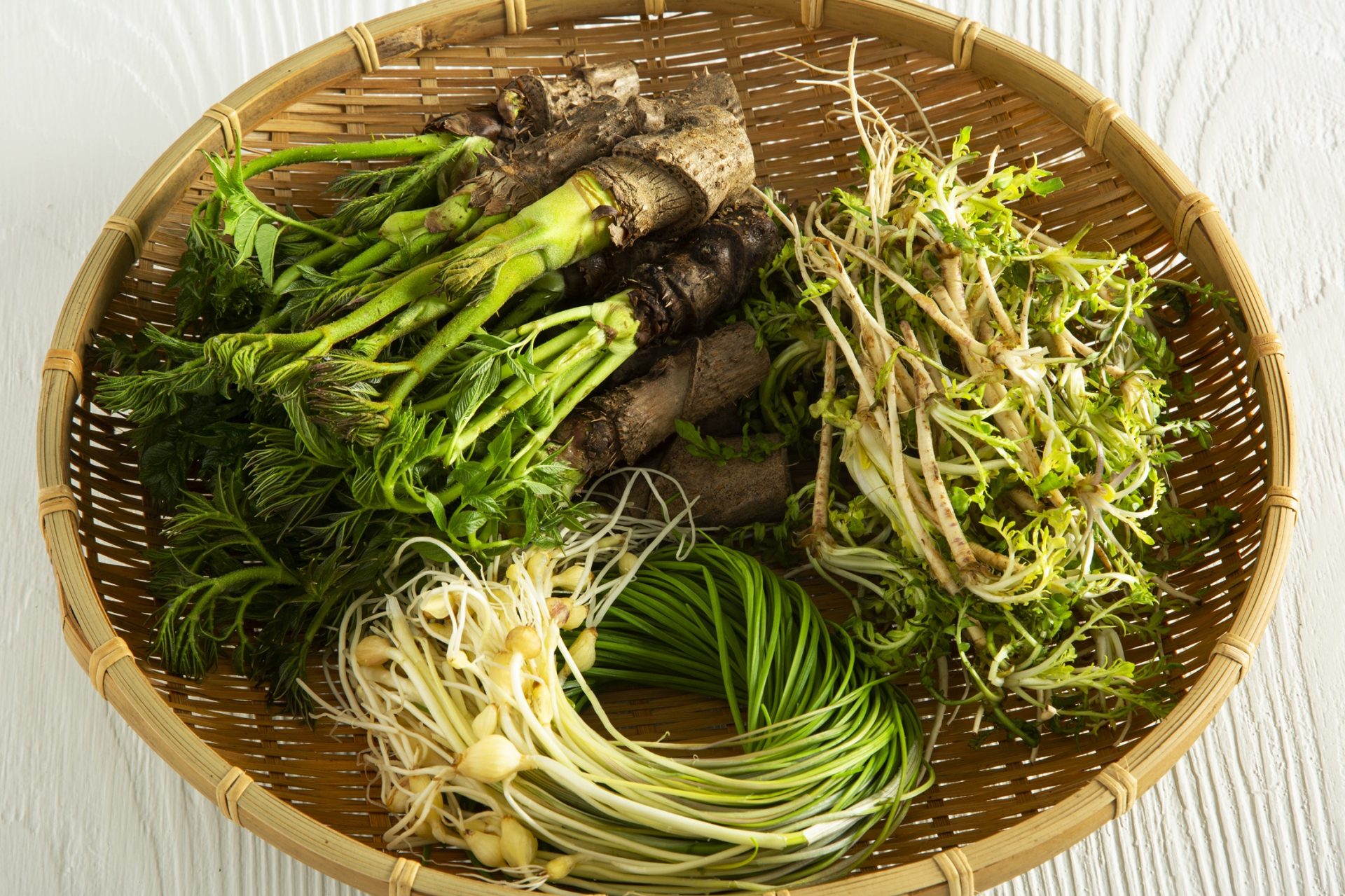
Earth — the astonishing vitality of spring greens that break through frozen soil
Energy — the endless variations of chicken dishes born from Korean passion
Spring Sweetness — the red temptation of strawberries, the queen of spring
Together, these tastes form a sensory record of Korea’s seasons, land, and time.
The Korean Table: A Universe on a Plate
(The Philosophy of Korean Tables: Cosmos on a Plate)
To truly understand Korean food, there is a philosophical foundation that must be understood before the taste itself.
That foundation is time, season, and cycle.
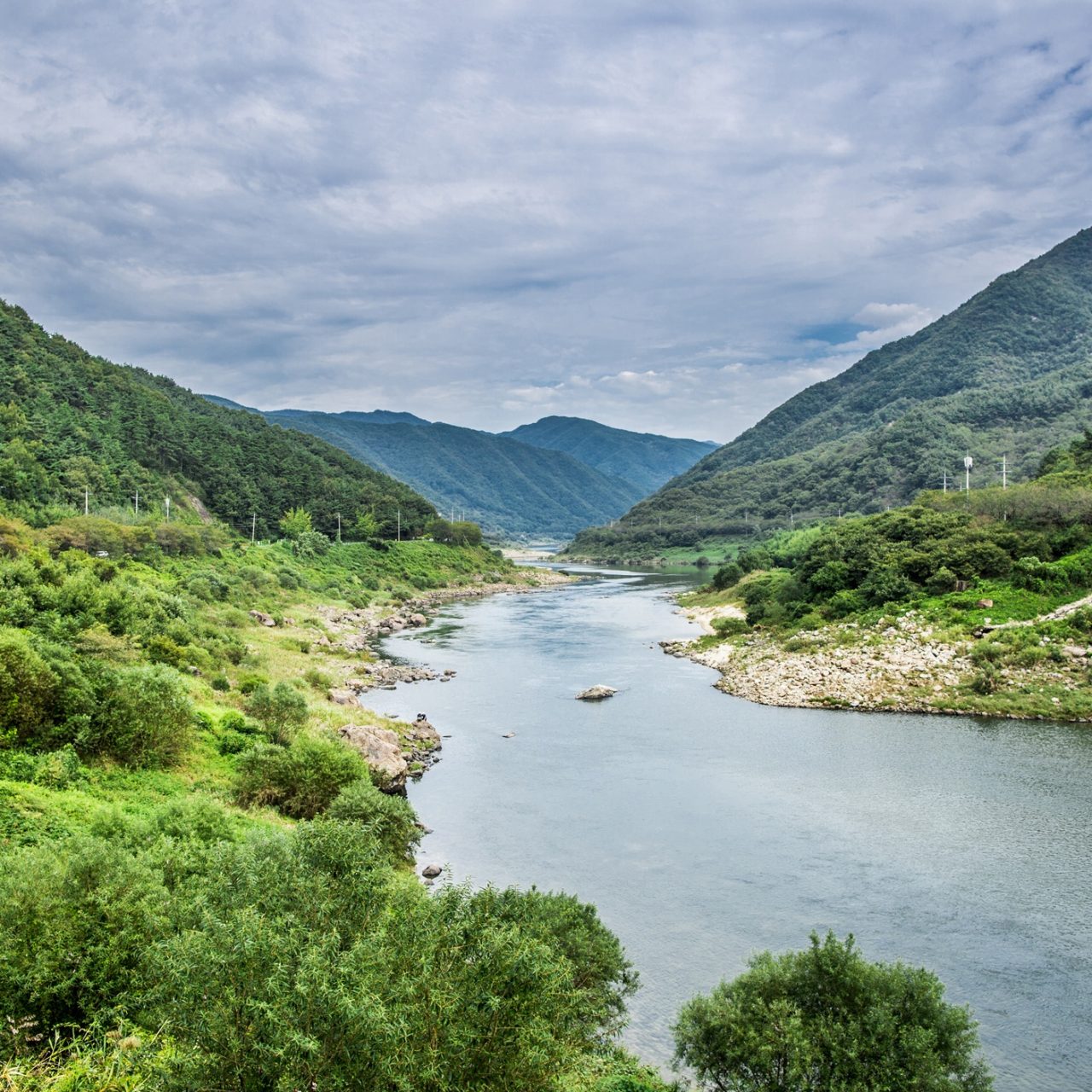
On the Korean Peninsula—where nearly 70 percent of the land is mountainous and the four seasons shift with dramatic intensity—food was never merely a means of survival.
It was a sacred act:
a way of yielding to nature’s immense flow and drawing its energy into the human body.
Eating, in Korea, has long been a ritual.
Historical Background: An Agricultural Society and the 24 Solar Terms
For thousands of years, Korea functioned as an agricultural society guided by the movement of the sun.
The year was divided into 24 Solar Terms, each lasting approximately fifteen days.
Without calendars, people sensed the seasons through the smell of the wind and the temperature of the soil. They placed on their tables the ingredients that carried the greatest vitality at each moment in time.
Eating seasonal food meant synchronizing the body’s internal clock with the clock of the universe.
Yak Sik Dong Won: The Kitchen Is a Pharmacy
Traditional Korean medicine is governed by the philosophy of Yak Sik Dong Won, which means “food and medicine share the same origin.”
In the Donguibogam, a Joseon-era medical encyclopedia, it is written:
“An illness that cannot be cured by food cannot be cured by medicine either.”
While Western medicine tends to treat illness after it appears, Korean food culture focuses on prevention and balance.
When Koreans feel unwell, they often ask themselves before visiting a doctor: Have I been eating according to the season?
The Seasons on the Korean Table
Spring — Rebirth
To restore immunity weakened by winter, Koreans eat bitter roots and wild greens.
Their bitterness awakens the digestive system and expels toxins accumulated during cold months.
Summer — Expansion
On the hottest days of the year, Koreans eat boiling-hot samgyetang.
This paradoxical practice, “fighting fire with fire,” uses heat to control heat.
Autumn — Harvest
The most abundant season of all.
Fresh rice and fruit are shared in rituals that express gratitude to nature and ancestors.
Winter — Storage
To survive temperatures as low as –20°C, Koreans created Kimjang— salting, seasoning, and burying kimchi underground.
This culture of fermentation and preservation is now recognized by UNESCO as Intangible Cultural Heritage.