The Alchemy of Rest and Nourishment Commanded by the Seasons
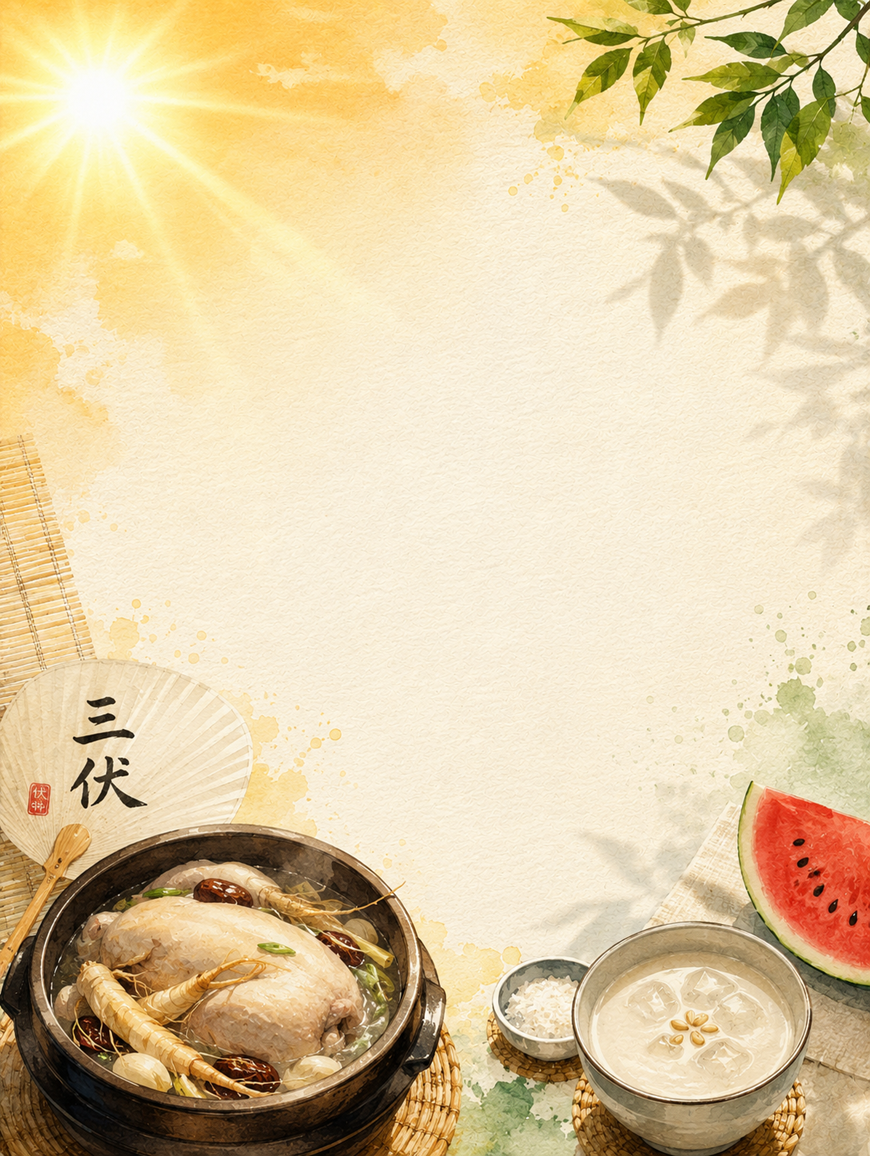
Summer in Korea is not merely a rise in temperature. It is a process shaped by centuries of agricultural life, a continuous negotiation between resistance to and acceptance of the rhythm of seasonal cycles. At the center of this lies Sambok, the three hottest periods of the year: Chobok, Jungbok, and Malbok.
The character bok (伏) carries layered meanings. It depicts a person lying prostrate like a dog under intense heat, while also symbolizing how the cool energy of autumn is forced to yield three times to the power of summer.
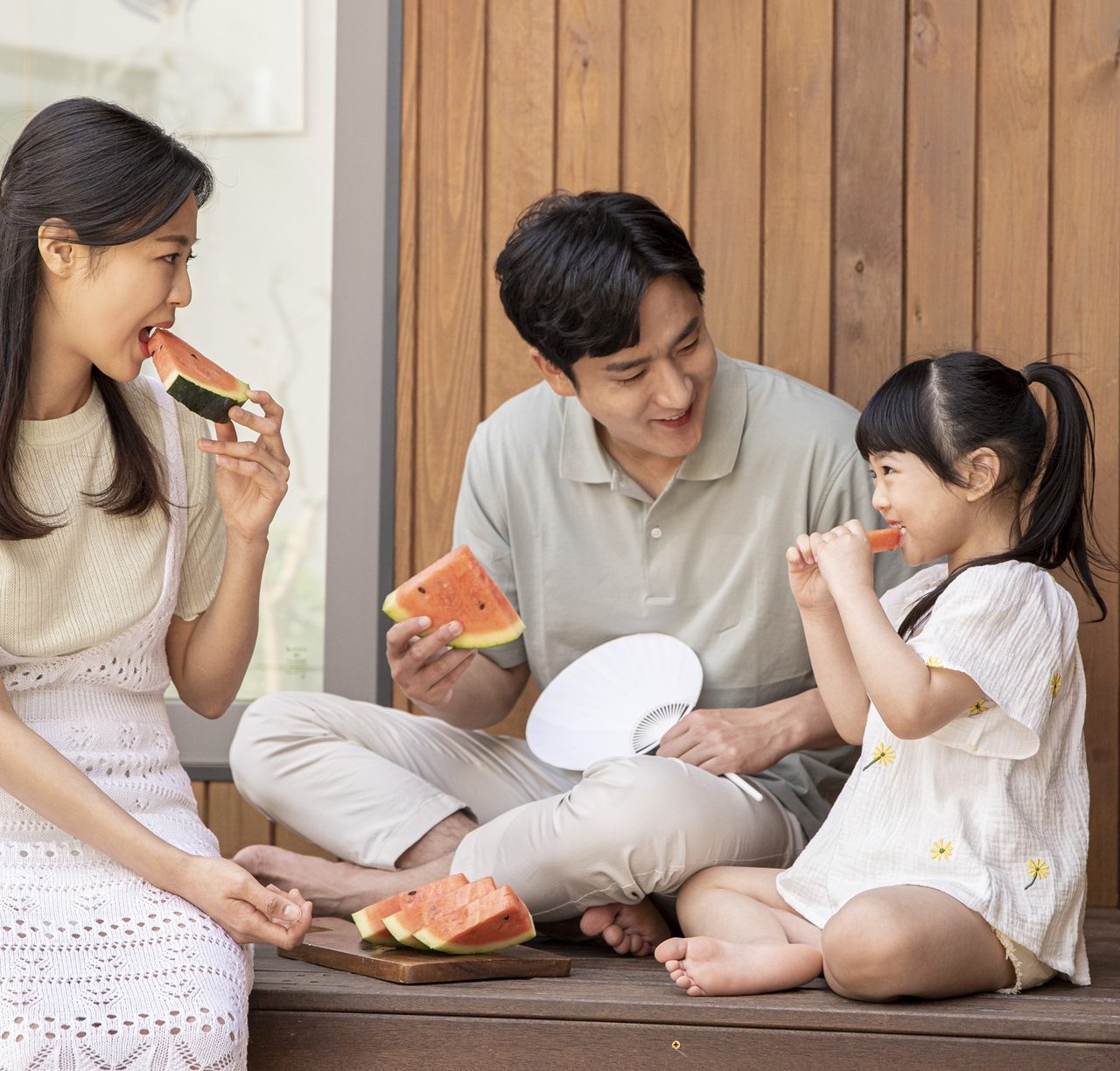
This period was traditionally understood as a seasonally ordained pause, a time to restore the exhausted body, replenish nutrients, and briefly step away from the relentless pace of life.
Korean boyang, a form of restorative food culture, embodies a paradoxical aesthetic. Instead of cooling the body with cold energy, it expels internal cold through heat. By consuming hot and nourishing dishes, the body sweats and naturally regulates its temperature, while also replenishing depleted protein and energy in preparation for the coming harvest season.
This is more than a biological response. It is a way of life, a philosophy in which the human body aligns itself with the rhythms of nature, expressing a uniquely Korean approach to enduring and overcoming the peak of summer.
Samgyetang: The Golden Essence Crafted by the Spirit of the Earth
Aesthetic Narrative: The Pure White Beauty Holding the Energy of the Earth
Samgyetang stands in quiet contrast to the extravagant “feast of the dragon palace” embodied by haesintang. Instead, it reveals an aesthetic of restraint and concentration, gathering the energy of the earth, or gi, into a single harmonious form.
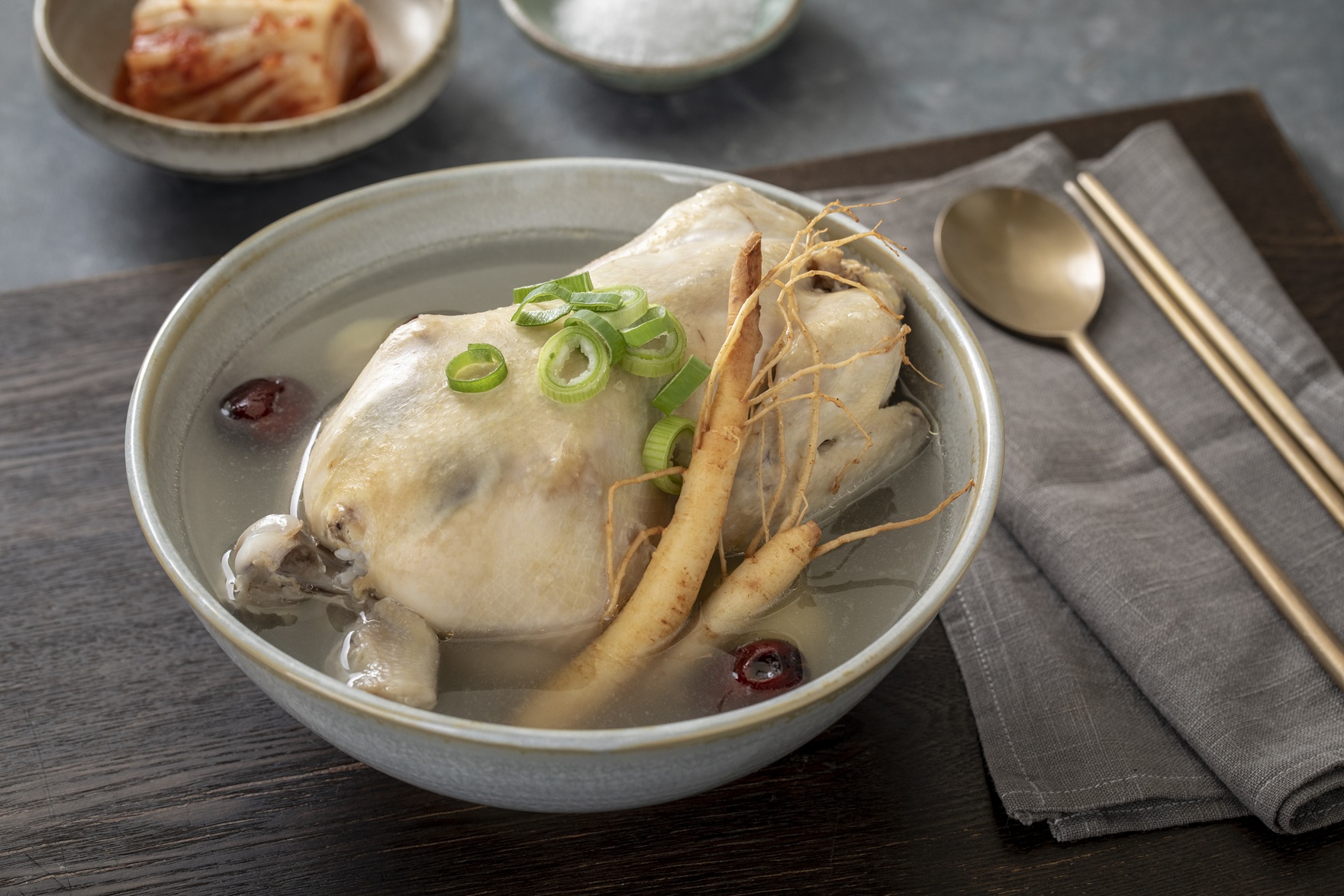
The process itself is almost ritualistic. A young chicken, barely matured, is carefully stuffed with glutinous rice, ginseng, jujube, and garlic, then delicately tied together. This act mirrors the intention of drawing scattered energies inward, an expression of quiet devotion and mindful care practiced by Korea’s ancestors.
The milky, opaque broth symbolizes purity and restoration, while the bubbling pot radiates an intense vitality, like a geothermal spring infused with the energy of the earth itself.
Historically, samgyetang served different roles across social classes. For scholars, it was a restorative tonic used to realign weakened inner energy. For commoners, it was a rare luxury, an indulgent reward after long and grueling days of labor in the fields.
Today, samgyetang has become a defining icon of K-food, transcending borders as a dish that embodies Korea’s warmth, care, and philosophy of nourishment.
Nutritional Harmony: The Perfect Fusion of Saponins and Protein
The true value of samgyetang lies in its ability to regulate the body’s internal temperature through the principle of iyeol chiyeol, or fighting heat with heat, while delivering highly concentrated nutrients that are quickly absorbed.
Ginseng Saponins: The Core of Immunity
At the heart of samgyetang is ginseng, rich in saponins, also known as ginsenosides, which stimulate metabolism and activate immune cells. Comparable in potency to the benefits of abalone in haesintang, ginseng plays a decisive role in restoring depleted energy caused by extreme fatigue and in reducing internal inflammation.
Gentle Recovery Through High Protein Amino Acids
The young chicken used in samgyetang has fine muscle fibers, allowing for exceptionally easy digestion and rapid nutrient absorption. Its abundance of essential amino acids supports muscle regeneration, while jujube and garlic enhance blood circulation and help flush out toxins.
The starch released from the glutinous rice enriches the broth, creating a dense and comforting texture that gently envelops the stomach. It offers a sense of warm rest to a digestive system often fatigued by excessive consumption of cold foods during summer.
Eel: Immortal Vitality from Where River and Sea Converge
The Narrative of Pungcheon: Elasticity and Ecology Forged by Turbulent Currents
At the heart of Korea’s eel culture lies the geographical concept of pungcheon. Rather than referring to a specific place, pungcheon describes the point where river and sea meet, where strong tides and shifting currents collide under the influence of wind.
Eels that survive and grow in these harsh and ever changing waters develop firm and resilient flesh, along with a deeply concentrated flavor. These qualities distinguish them clearly from farm raised varieties.
In the classic marine text Jasan Eobo (玆山魚譜) by Jeong Yak-jeon, eel is recorded as haemanryeo (海鰻鱺), praised for its sweet taste and notable health benefits, particularly in treating chronic digestive issues and abdominal pain.
Modern science supports this traditional understanding. Eel contains more than 30 times the vitamin A found in beef and is rich in unsaturated fatty acids such as DHA and EPA, which support brain function and improve blood circulation.
As a result, eel holds a distinct place as a powerful restorative food. It is especially valued for replenishing stamina and vitality depleted during the intense heat of summer.
The Humanities of K-grill: A Dialogue Between Eel, Ginger, and Charcoal
Grilled eel is not merely a method of cooking. It is a culinary art that orchestrates the dynamic balance of harmony, sangsaeng, and contrast, sanggeuk, between ingredients.
The Inevitable Pairing with Ginger
Ginger, with its naturally warm and pungent character, does more than neutralize the potential fishiness of eel’s rich protein. Its strong antibacterial properties help prevent foodborne illness during the summer, while its active compound, gingerol, stimulates digestive enzymes, allowing the eel’s dense fats to be more efficiently absorbed by the body. It is, in every sense, a perfect counterpart.
The Aesthetics of Charcoal Fire: The Completion of Texture
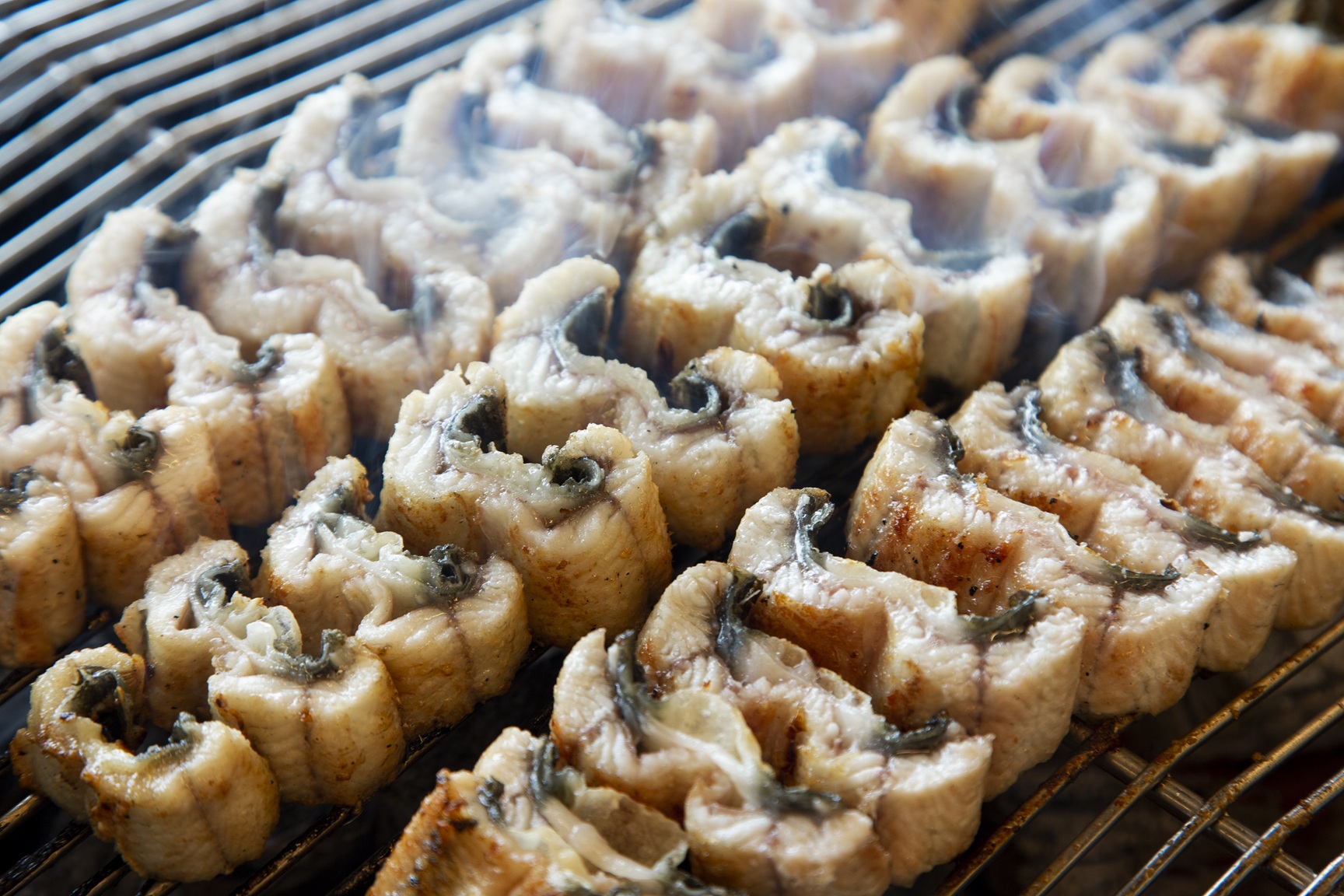
When eel’s natural fats meet the intense heat of charcoal, the Maillard reaction is triggered, producing a deep and nutty richness that defines the dish’s flavor. As the skin crackles and browns over the fire with a sharp chiik sound, excess grease melts away, while collagen condenses into a satisfyingly chewy texture. This balance, crisp on the outside and tender within, delivers a surge of energy more intense than the summer sun itself. It flows through the body and culminates in a peak moment of gastronomic pleasure.
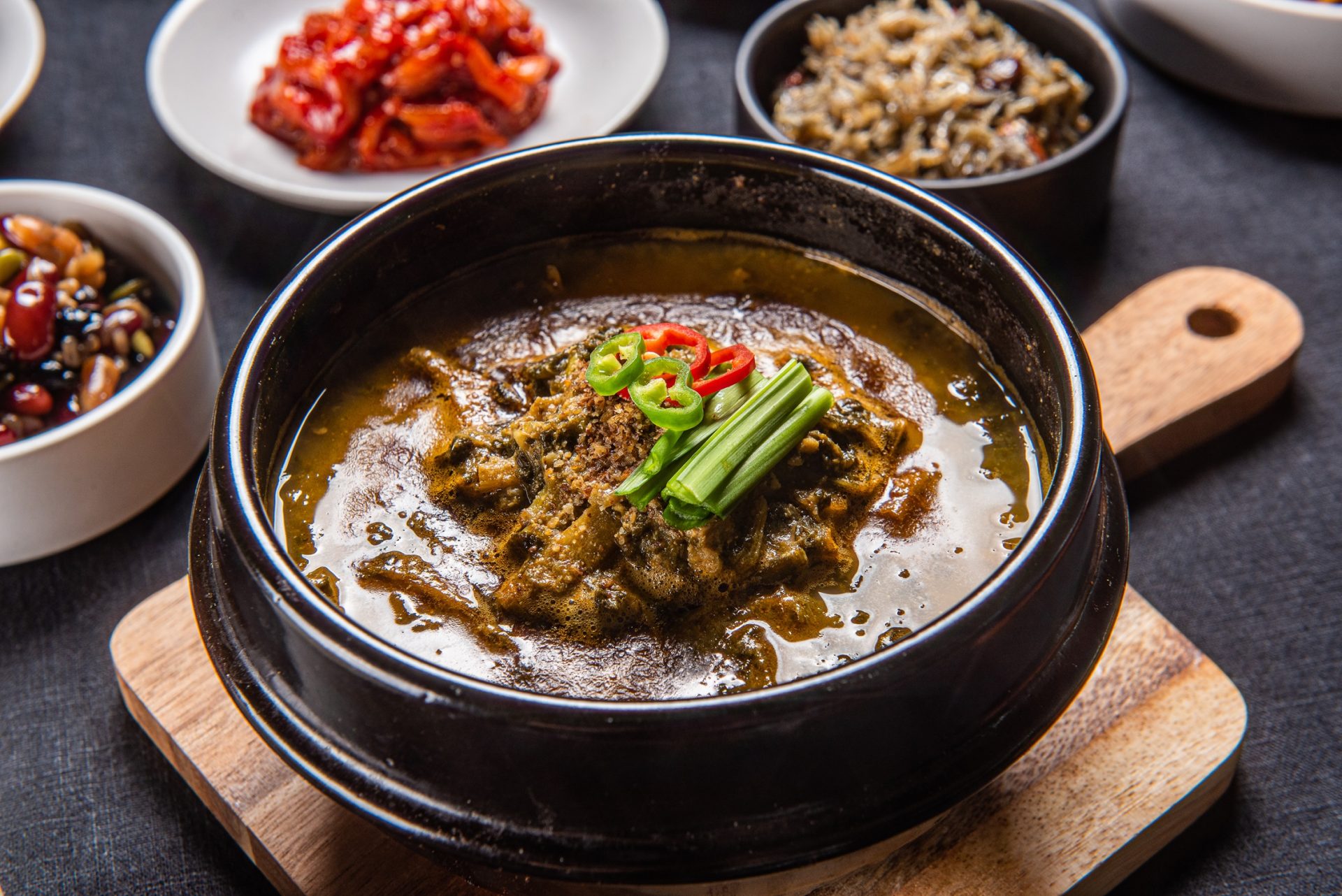
Chueo tang: The Perfect Restorative of the People, Infused with the Energy of the Earth
A Humanistic Reflection: Tenacious Vitality Rising from the Mud
The loach has long been regarded as a humble ingredient with extraordinary vitality, seemingly insignificant in appearance, yet unmatched in strength. Living deep within the muddy floors of rice paddies, in oxygen deprived and harsh conditions, the loach survives by breathing through its intestines. This remarkable resilience made it a powerful symbol of endurance and energy restoration for common people.
Historically, chueo tang was known as a feast of the people. During the autumn season, when rice fields were drained, loaches would gather in irrigation channels. Villagers would catch them together and boil them in large cauldrons, sharing the meal as a form of communal healing after exhausting labor.
In the classical medical text Bencao Gangmu (本草綱目), loach is praised for its medicinal properties, including invigorating yang energy, alleviating alcohol related toxins, quenching thirst caused by wasting disorders, and warming the stomach.
More than just nourishment, chueo tang embodies a philosophy. Even in the most unforgiving environments, life persists, and from that persistence comes strength.
Hidden History: Joseon’s “Kkokjittan” and Chueo tang
One cannot speak of chueo tang without mentioning the story of the kkokjittan, a marginalized group from the Joseon era. These were vagrants and impoverished people who lived around Supyogyo Bridge over Cheonggyecheon in Seoul, sustaining themselves by selling a humble dish known as chu tang, the early form of today’s loach soup.
At the time, the ruling class regarded loach as a lowly and inferior ingredient. Yet the rich and deeply savory flavor of chu tang prepared by the kkokjittan captivated the people of the capital. Before long, it came to be enjoyed across all social classes, transcending rigid hierarchies.
This moment marks a fascinating cultural shift, where the food of the lowest social strata spread throughout the city and evolved into a shared culinary experience. It stands as historical evidence of chueo tang’s unique aesthetic of transcending class, a dish that dissolved social boundaries through taste alone.
Regional Variations: The Distinct Aesthetics of Seoul, Wonju, and Namwon
Chueo tang is a remarkable example of Korea’s geographical diversity in cuisine. Shaped by local landscapes and customs, its preparation has evolved into three distinct regional styles.
Namwon Style, Jeolla Province: The Pinnacle of Earthy Richness
Rooted in the agricultural abundance of Jeolla, this version embodies deep and comforting flavors. The loach is thoroughly boiled and strained to remove all bones, then simmered with dried radish greens, known as siraegi, perilla seed powder, and soybean paste, or doenjang. The result is a thick and creamy texture paired with the profound umami of fermented soybean, a true expression of earthy richness.
Wonju Style, Gangwon Province: Spicy Dynamism of the Highlands
Reflecting the rugged character of mountainous regions, Wonju style chueo tang features a spicy broth based on gochujang. Fresh ingredients such as water parsley, mushrooms, and perilla leaves are added generously, and the dish is often cooked at the table. The final addition of hand torn dough, known as sujebi, symbolizes the region’s rustic yet dynamic food culture.
Seoul Style, Chutang: Clean and Refined Clarity
Seoul’s version, known as chutang, preserves the loach whole rather than grinding it. Simmered in a clear broth made from beef bones or brisket, with tofu and mushrooms, it resembles a lighter and more refined soup similar to yukgaejang. This style reflects the capital’s culinary philosophy, valuing clarity, balance, and the natural form of ingredients.
Culinary Science: A Reservoir of Calcium and the Harmony of Spices
The preparation methods of chueo tang, whether grinding the loach whole or boiling and straining it, reflect a remarkably sophisticated nutritional logic. These techniques allow for the full absorption of calcium and vitamin D contained in fish bones, maximizing the dish’s dietary value.
In addition, the slippery mucus on the surface of the loach, known as mucin, plays a crucial role in protecting the stomach lining and enhancing the digestion and absorption of proteins.
The final and decisive element is the addition of sancho, or Korean pepper, powder. Its strong antibacterial properties effectively neutralize the earthy odor typical of freshwater fish, while also stimulating metabolism and raising body temperature.
Combined with the heat of the broth and the spice of the seasoning, this creates a finely tuned system that drives toxins out of the body through perspiration. It is, in essence, a precise culinary expression of the philosophy of iyeol chiyeol, or fighting heat with heat.
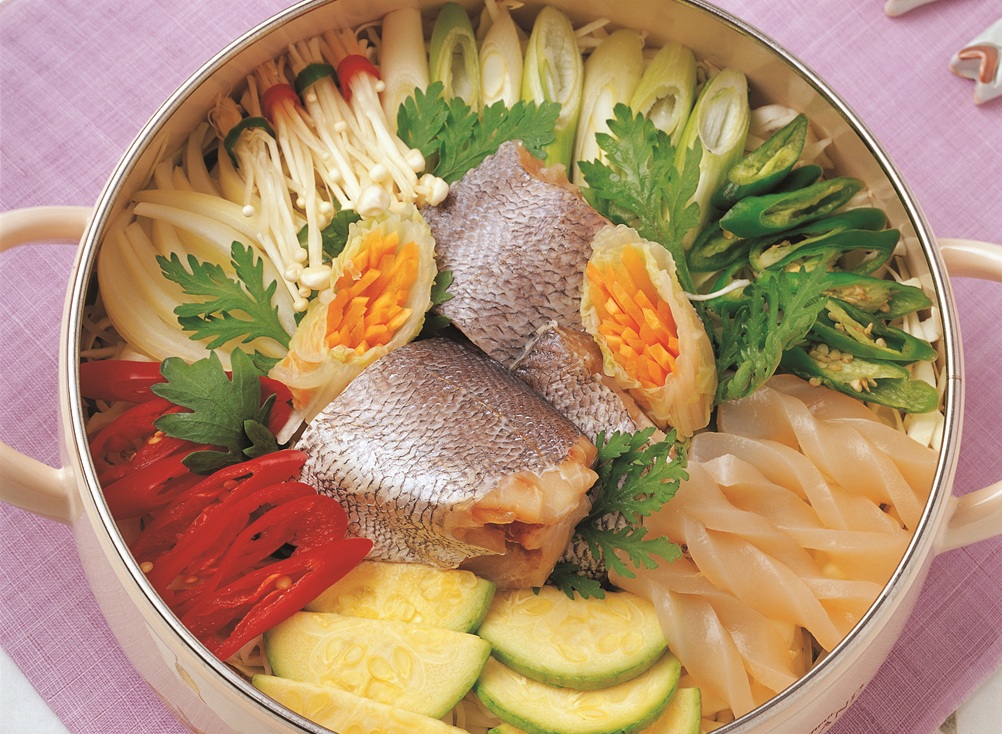
Croaker: A Refined Delicacy Steeped in the Elegance of Joseon’s Elite
Historical Context: Ice Boats to Hanyang and the Majesty of the Royal Table
In the Joseon era, the ultimate summer restorative prized by the royal court and scholar officials was croaker, known as mineo. Although its name literally means the people’s fish, its rarity and exceptional value made it a delicacy far beyond the reach of ordinary citizens.
Particularly in July and August, just before spawning season, croakers caught off the coast of Sinan in Jeolla Province reach their peak condition, offering rich and fatty flesh at its most flavorful.
In a time without refrigeration, the effort required to transport this prized fish fresh to Hanyang, present day Seoul, reveals its extraordinary status. Ice harvested and stored in royal icehouses along the Han River was loaded onto boats to preserve the fish during its inland journey, an impressive logistical achievement that underscores the value placed on this ingredient.
A historical saying captures its cultural significance:
“On the hottest days, commoners eat samgyetang, while nobles dine on croaker soup.”
This distinction reflects more than social hierarchy. It suggests that croaker was valued not only for its high protein content, but also for its almost mystical restorative power, a food believed to replenish vitality beyond simple nutrition.
The Aesthetics of Texture Hidden in the Air Bladder and Skin
Croaker is an ingredient with nothing to waste. The variation in texture across its different parts reveals the full range of sensory possibilities that a single fish can offer.
Air Bladder: Often called the flower of the croaker, this prized part is rich in chondroitin and gelatin. When placed in the mouth, it first offers a firm and elastic resistance, then gradually softens with body heat, leaving behind a deep and lingering richness.
Skin and Slow Brewed Broth, mineo jungtang
The skin, briefly blanched in hot water and then cooled, delivers a pleasantly springy texture. Meanwhile, the remaining bones and head are simmered for hours to create a milky and opaque broth known as mineo jungtang. With each sip, a wave of warmth flows down the throat and spreads through the entire body, offering a deep sense of comfort and release, as if vitality itself is being restored from within.
Source:
- Naver Encyclopedia of Korean Culture: https://terms.naver.com
- Korean Food Promotion Institute: https://www.hansik.or.kr