
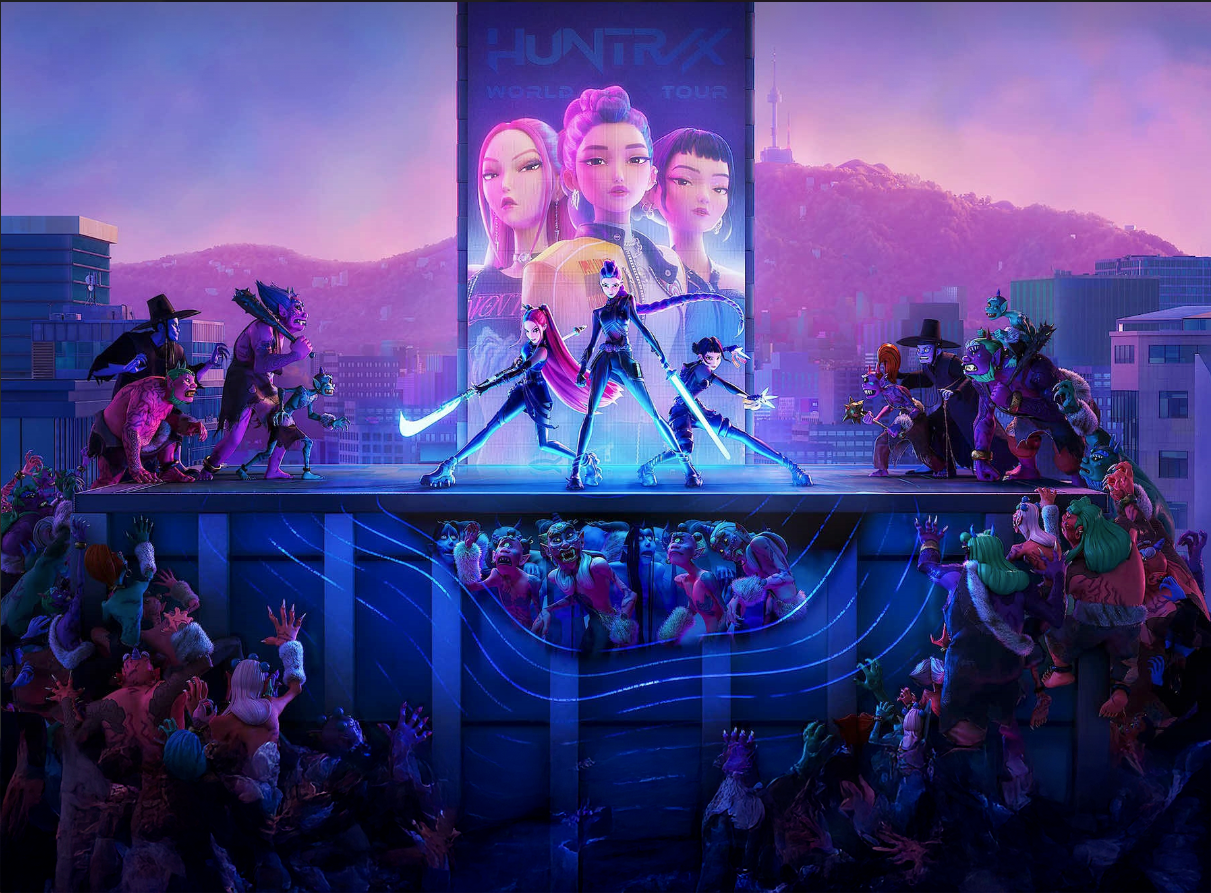
From pilgrimages to merchandise mania—your real adventure begins here.
Dear travelers, a new map has emerged in the way we explore the world—and its destination is none other than Korea. At the center of this trend is the global hit animated film, K-Pop Demon Hunters. More than just a box-office success, the movie has lit a spark in the hearts of countless fans, awakening a desire to experience Korea firsthand. Fiction has spilled into reality, transforming Korean streets, landmarks, and everyday spaces into extraordinary “pilgrimage sites” for visitors.
For those arriving in Korea for the first time, the greatest surprise is often the seamless way this country blends past and present. K-Pop Demon Hunters highlights that very essence of Korea. From shaman rituals, folk paintings, and herbal clinics to bustling public bathhouses and the modern silhouette of N Seoul Tower, the film embeds uniquely Korean elements into its narrative. It also reimagines figures from Korean folklore—magpies, tigers, playful goblins, and the solemn reaper of the underworld—capturing global attention. In doing so, the film mirrors what travelers discover when they step into Korea itself: a nation where ancient architecture and vibrant modern cityscapes coexist in perfect harmony.
This phenomenon is not just about visiting places. The K-Pop Demon Hunters gimbap and snacks that the main characters loved, and the bathhouse visits where they relaxed after battle, have now become special ways for fans to step into the role of the protagonists and experience Korean culture themselves.
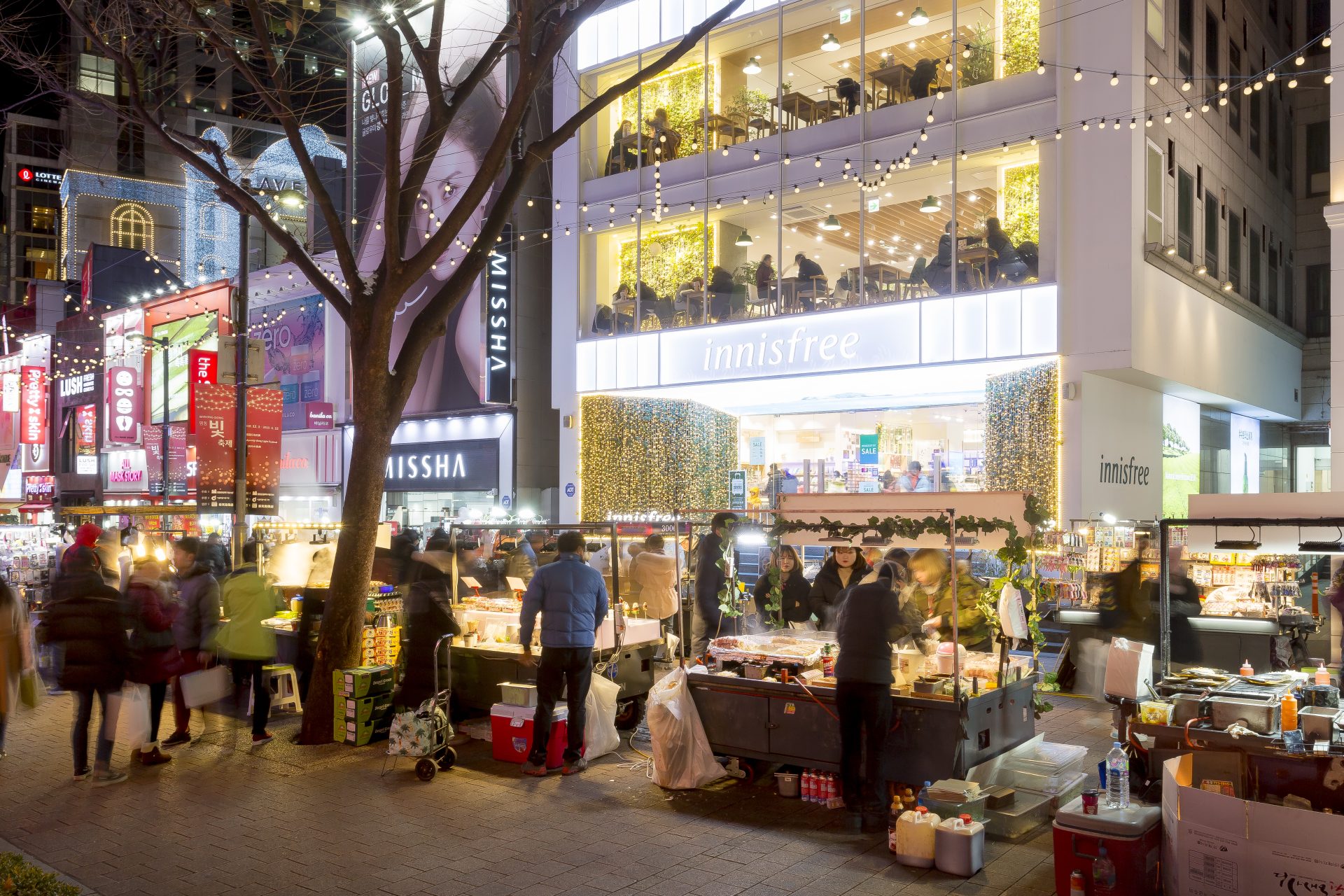
Naksan Park, where the characters shared their conversations, Cheongdam Bridge, where a breathtaking chase unfolded, and the lively streets of Myeong-dong, where the SAJA Boys gave their street performance—these are now essential stops on every fan’s journey.
What’s even more remarkable is the cultural impact the film has had on real life. Thanks to the movie’s rich use of traditional Korean elements, the National Museum of Korea has experienced an unprecedented surge in visitors—so much so that crowds now line up before opening hours, a phenomenon known as an “open run.” At the same time, the craze for movie-related merchandise has grown far beyond simple souvenirs, fueling a new wave of interest in products inspired by Korea’s cultural heritage. Riding this momentum, a brand-new National Heritage Merchandise Center is set to open beneath Gyeongbokgung Palace in 2027.
This article is your perfect travel guide. Step beyond the screen, follow the traces of K-Pop Demon Hunters, and embark on a special journey to discover the true charms of Korea.
In Search of Sacred Sites: Walking Beyond the Screen in Korea
The film K-Pop Demon Hunters is more than just a story. It is a treasure map that connects Korea’s cities with their hidden tales and secret corners. Now you can visit the very places that captured your imagination, and feel Korea’s true charms with your whole body—just like the heroes of the film.
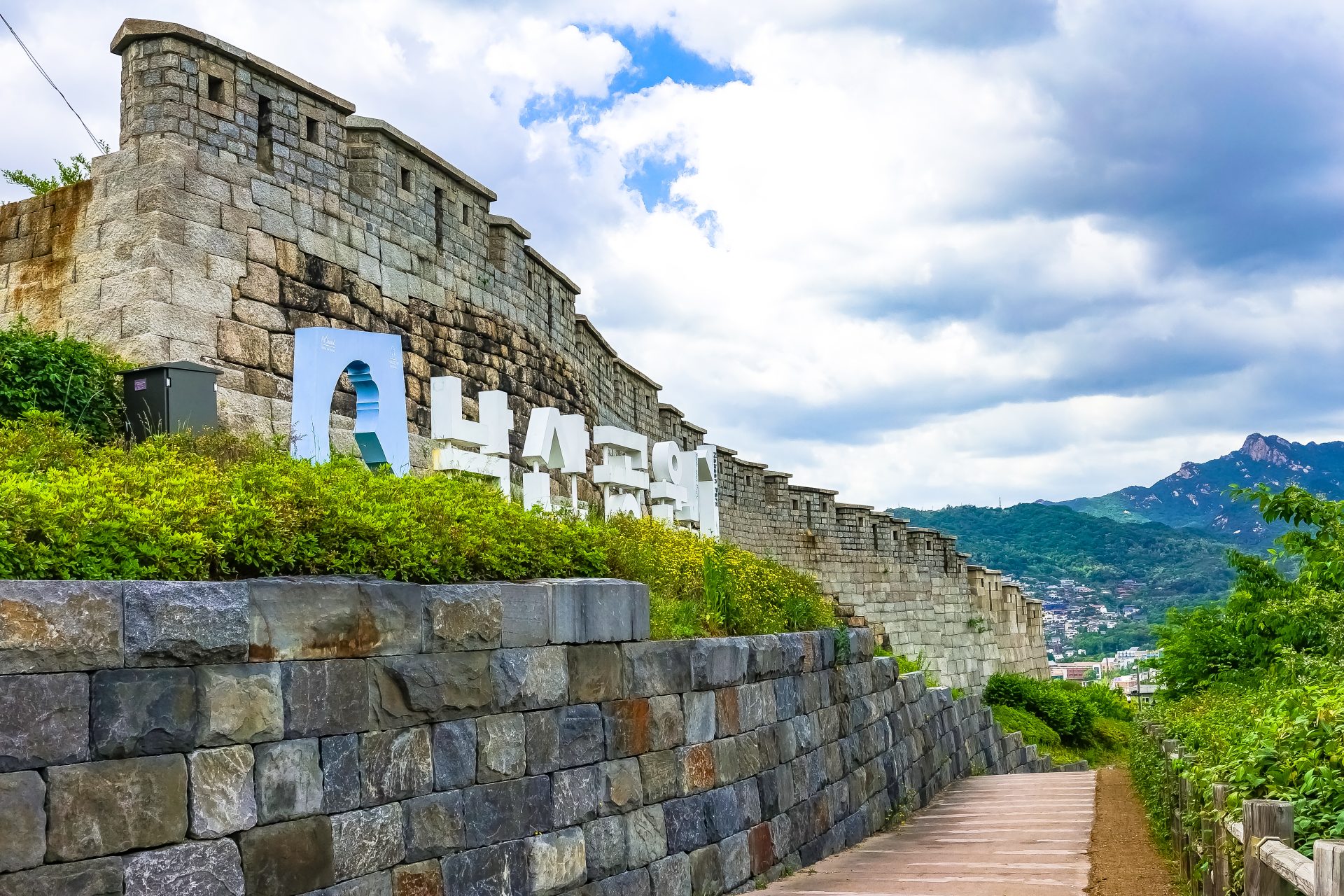
1. Naksan Park: The Lovers’ Sanctuary of Rumi and Jinu
In the movie, Naksan Park is where Rumi and Jinu share a romantic date. In real life, it’s one of the best spots to take in Seoul’s dazzling night view. Climb the steep steps and you’ll find a quiet path along the fortress wall. At night, the soft lights along the wall mix with the glittering city skyline to create a magical scene. Strolling here, you’ll feel the same spark of excitement as the characters themselves.
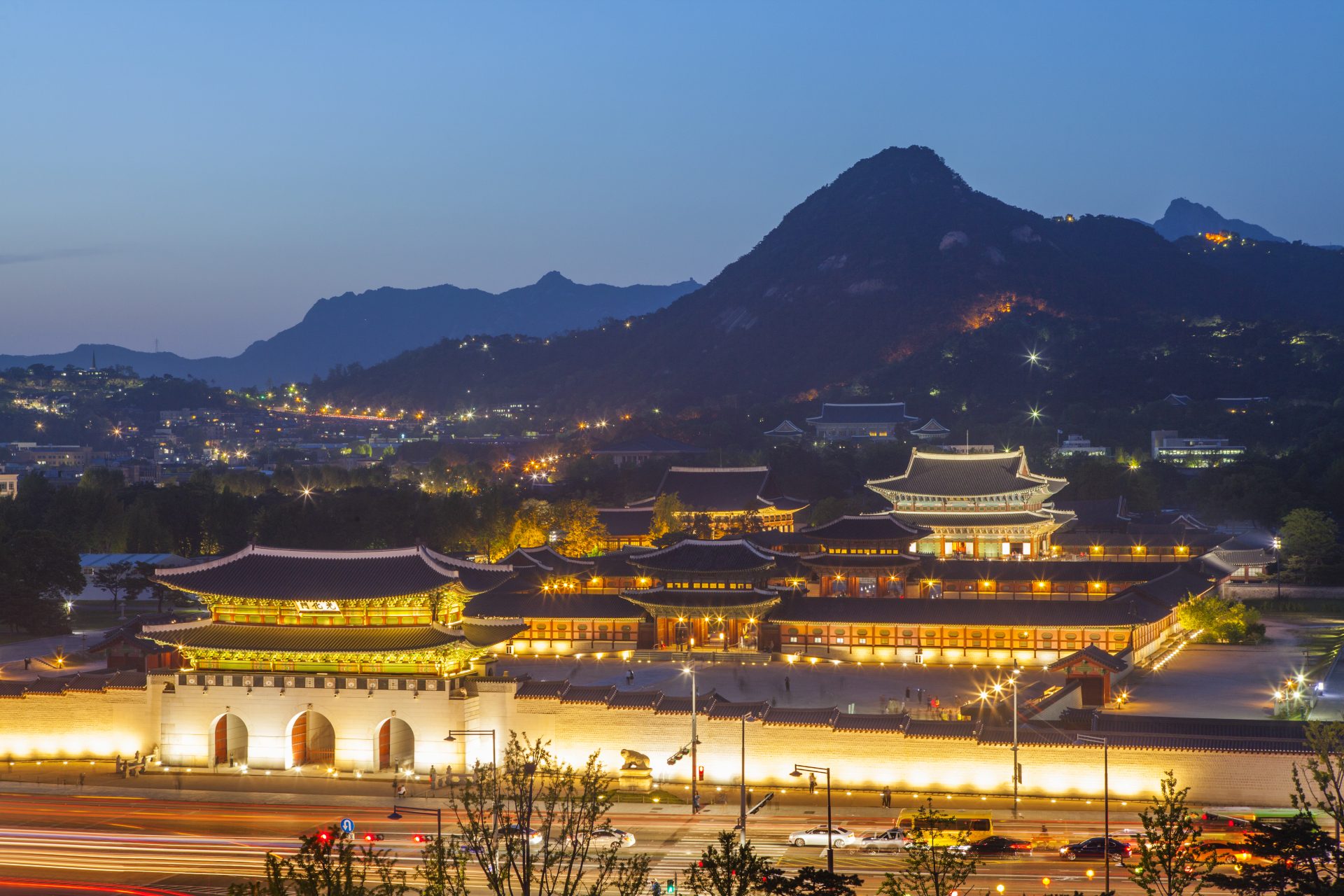
2. Gyeongbokgung Palace: Where Jinu’s Past Resides
Jinu revisits his past against the backdrop of Gyeongbokgung, a palace that symbolizes the very essence of Korea—a place where past and present coexist. Its grandeur and beauty reflect centuries of history, while the serene atmosphere pulls you into stories of long ago. Admire the palace eaves and vivid dancheong paintings, and see for yourself where cinematic imagination meets Korean tradition.
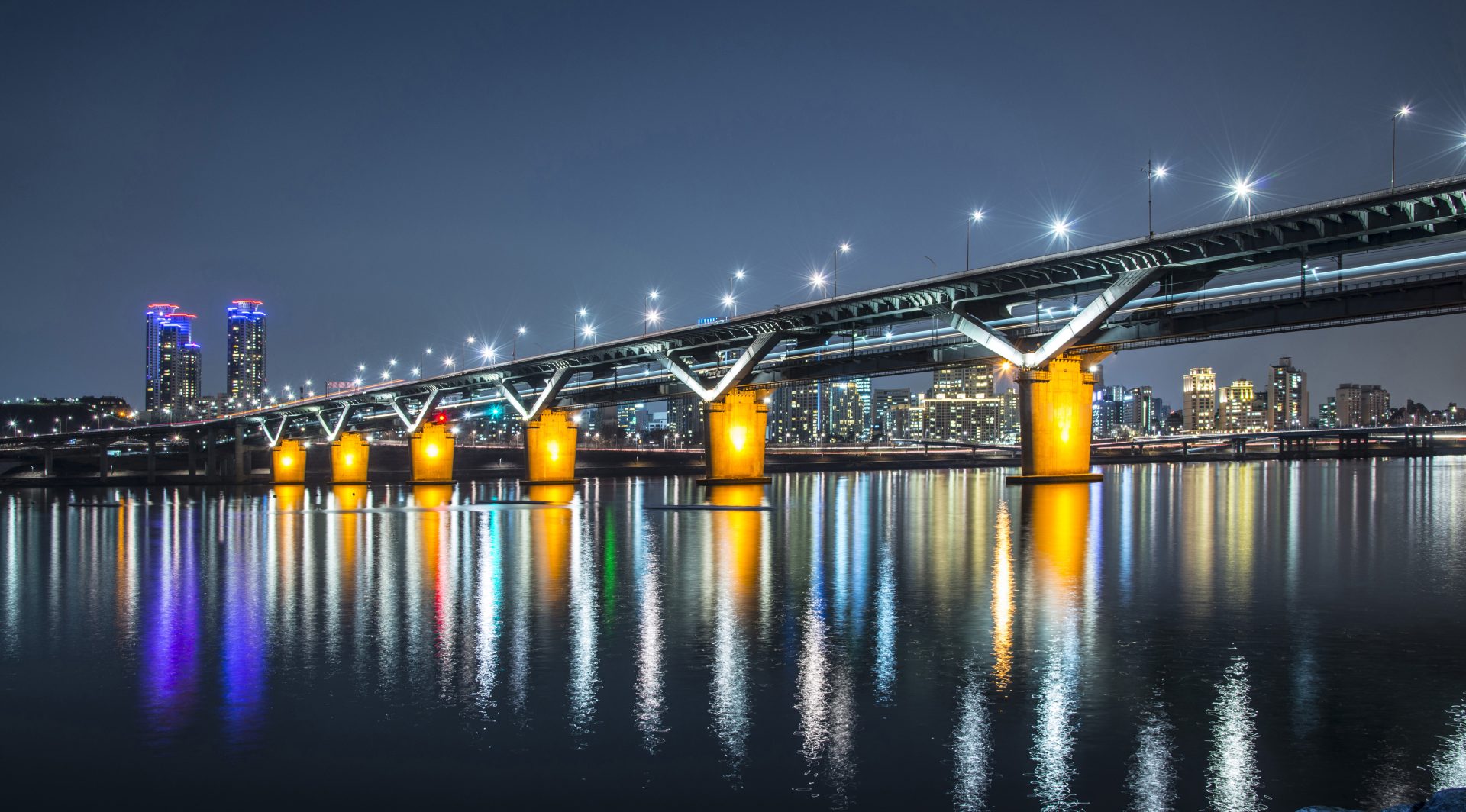
3. Cheongdam Bridge & Jayang Station: The Battlefield of Action
One of the film’s most breathtaking chase and combat sequences unfolds on Cheongdam Bridge, stretching across the Han River. Its sleek, modern design perfectly mirrors the movie’s high-tech energy and the dynamism of K-pop. At sunset, the bridge becomes a dramatic reminder of the film’s adrenaline-filled battles.
4. Myeongdong Street: The SAJA Boys’ Stage
In the movie, Myeongdong turns into the stage for the SAJA Boys’ surprise guerrilla performance. Off-screen, this is Seoul’s liveliest shopping street, filled with the sounds of K-pop and the buzz of endless crowds. As you walk, you might find yourself imagining the thrill of stumbling upon a pop-up show—capturing the spontaneous energy of K-pop at its core.
5. Samseong Station Billboards: The Stage of “Golden”
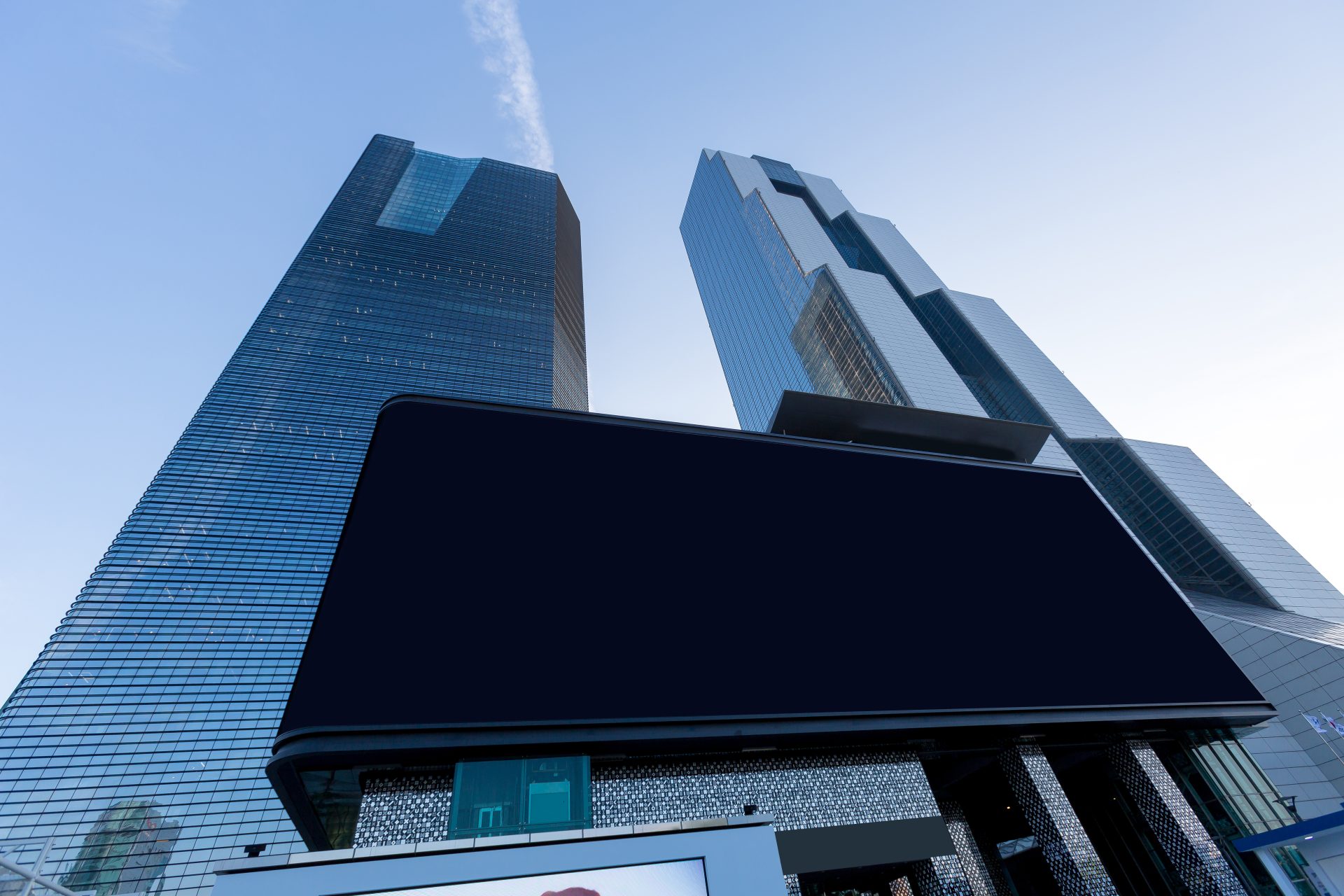
In the film, the massive billboards at Samseong Station become the stage for Huntrix’s grand comeback, as their music video “Golden” is shown for the very first time. The group’s larger-than-life prese nce filling the screens proves why this hub of K-pop is known as a “digital sanctuary.” At night, the brilliant lights of the surrounding buildings recreate the emotional spectacle of the movie, offering fans an unforgettable thrill.
6. Bukchon Hanok Village: A Quiet Rooftop for “Free”
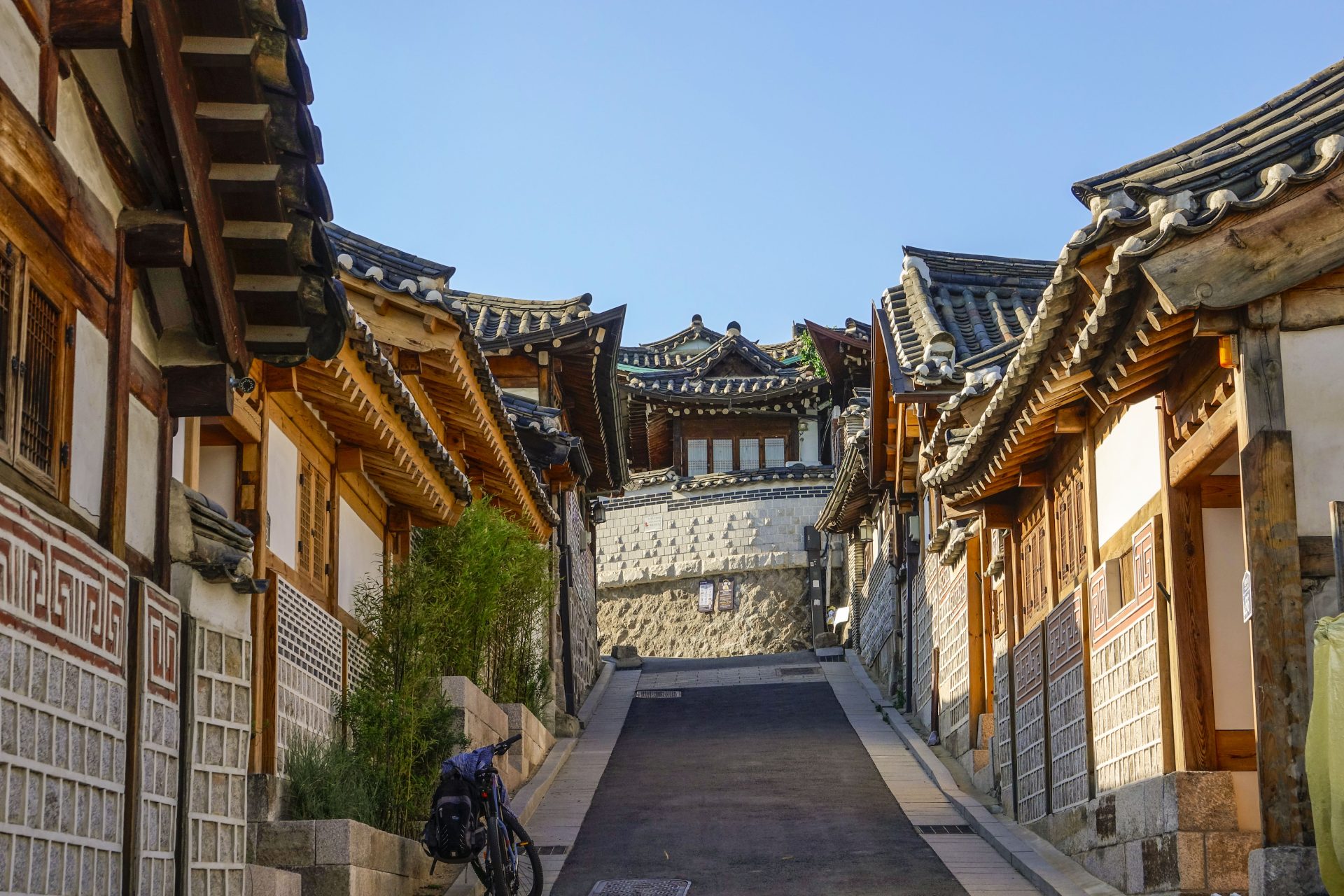
Bukchon Hanok Village serves as the backdrop for the tender moment when Rumi and Jinu sing “Free.” Nestled in the center of Seoul, this neighborhood feels as though time has paused. Rows of traditional hanok houses cluster closely together, creating a serene setting where the characters affirmed their feelings for one another. From the tiled rooftops, the view stretches across the modern Seoul skyline, blending heritage and high-rise in a picture-perfect harmony. Wandering its narrow lanes, you can sense the youthful emotions of the characters—and create your own peaceful memories beneath the timeless beauty of hanok rooftops.
7. Seoul Sky: A View of a Towering Metropolis
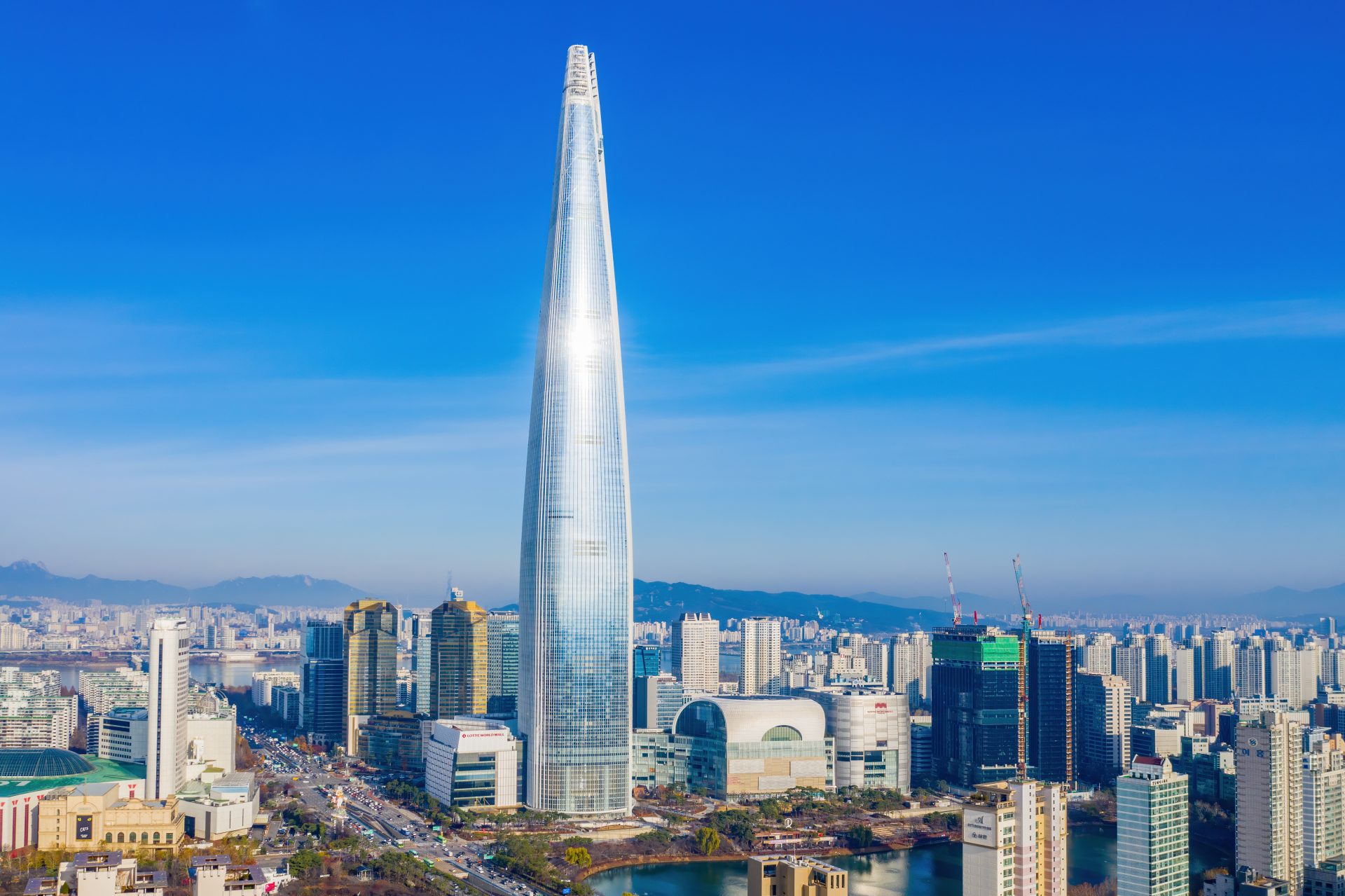
To grasp the scale and modern spirit of K-Pop Demon Hunters, head to Seoul Sky at Lotte World Tower—the city’s tallest building. From its observation deck, you’ll see the sprawling cityscape and the Han River below, echoing the vantage point from which the heroes surveyed their mission. The endless forest of skyscrapers is every bit as grand as the movie’s vision.
8. N Seoul Tower: Where Tradition Meets Modernity
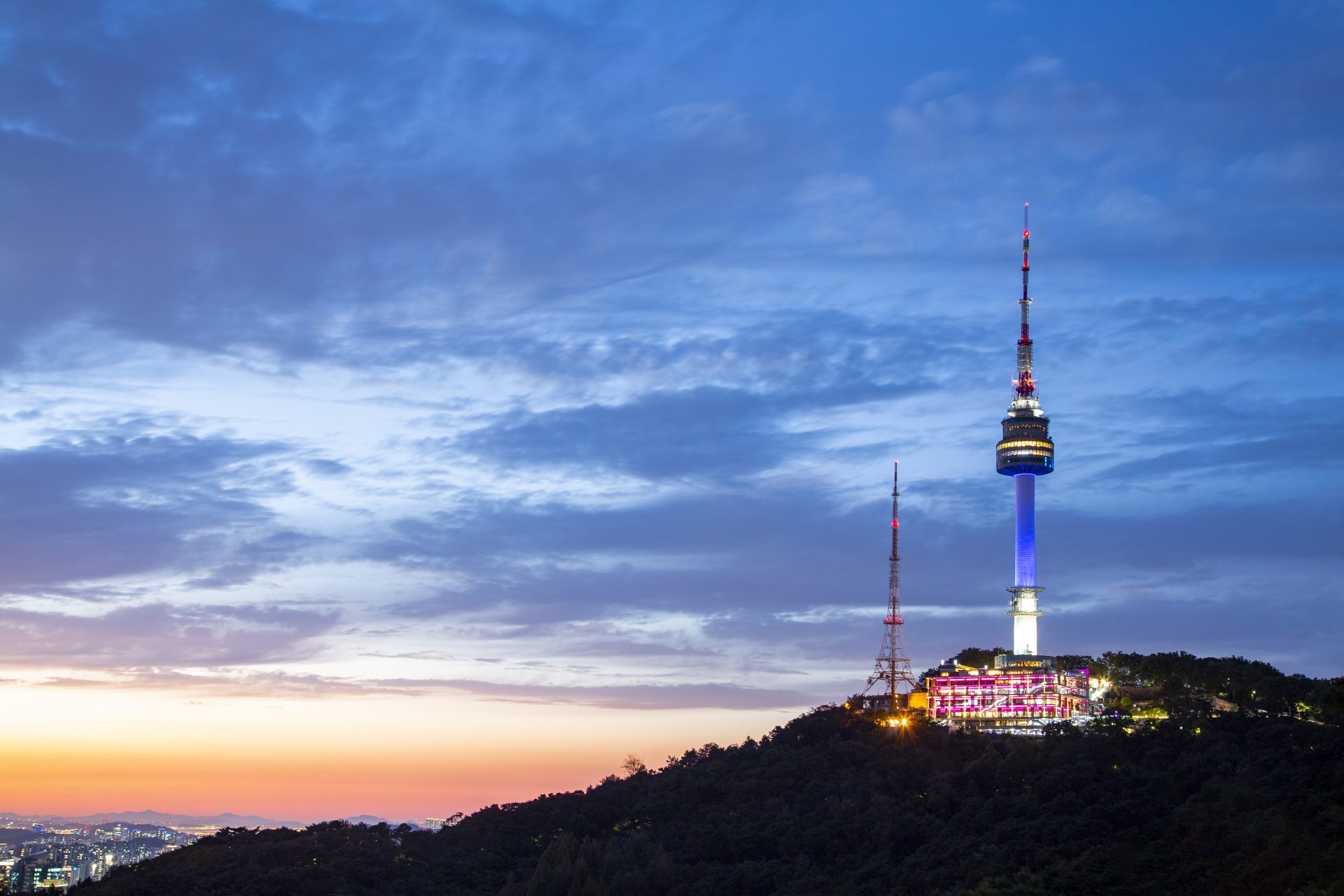
As a striking visual symbol in the film, N Seoul Tower is one of the city’s most iconic landmarks. Rising above Namsan, the tower merges past and present—traditional palaces below, futuristic skyscrapers beyond. By night, the panoramic view captures exactly what the movie conveyed: a world where history and modern life shine together.
9. Seoul Olympic Stadium: Where Legends Begin
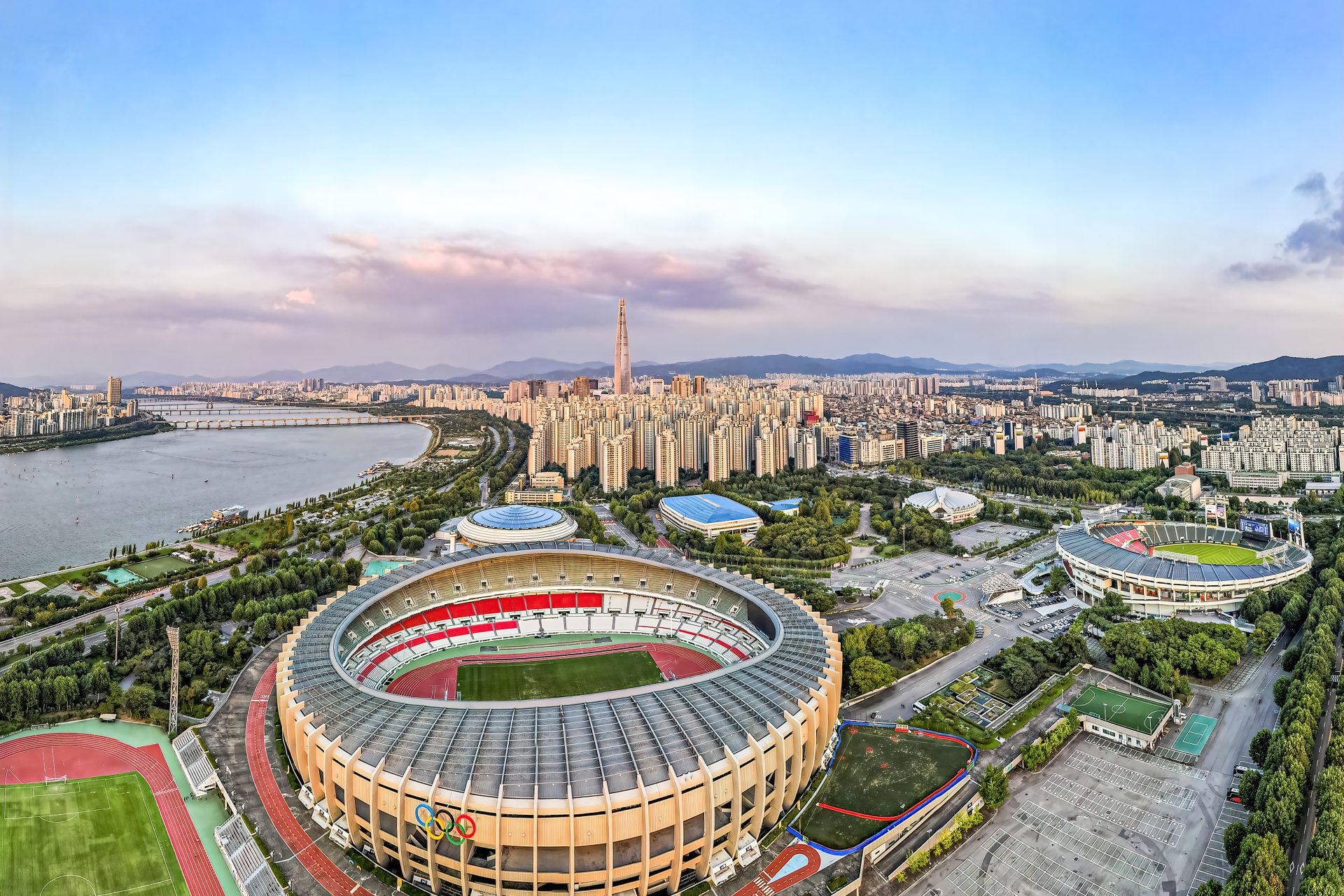
The film’s unforgettable opening unfolds here, at the Seoul Olympic Stadium, where Huntrix performed “How It’s Done.” Their dramatic entrance—parachuting onto the stage—showcased the epic scale of K-pop, leaving fans worldwide breathless. Steeped in the history of the 1988 Olympics, the stadium now stands as a stage where new K-pop legends are born. Visiting here, you’ll feel the same chills that electrified the movie’s opening moments.