Among Korea’s four seasons, winter holds a particularly deep and evocative charm. It is a season of quiet temples blanketed in snow, frozen rivers that transform into ice-skating grounds, and most memorably, the warm and comforting foods that make you forget the chill altogether.
One thing becomes clear in wintertime Korea: people here don’t simply endure the cold—they embrace it. And at the very heart of this embrace is food. Sharing laughter while jostling in line for steaming street snacks, or melting away the fatigue of the day over a hot bowl of soup, these moments leave a lasting impression on any traveler. Korean winter foods are a bridge between people – a way of sharing warmth in the coldest season.
This issue invites you to discover the most delicious ways to experience Korea’s winter. It’s a journey that fills the frosty air of a foreign land with the cozy glow of food. But it’s not just about visiting well-known restaurants. Through Korea’s beloved soul foods, you’ll gain a deeper understanding of the culture and emotions woven into everyday life.
Our first stop is the sweet and hearty world of a “winter bakery pilgrimage.” From the Strawberry Siru Cake at Daejeon’s legendary bakery Sung Sim Dang—available only in winter—to the surprising burst of flavor in the vegetable bread at Gunsan’s historic Lee Sung Dang, these breads promise unforgettable tastes beneath their unassuming appearances. Each bite is a milestone on a new kind of Korean journey.
Next, we warm ourselves with Korea’s most comforting dishes. We’ll explore gukbap, the hearty rice-and-soup meal often hailed as a ”must-have” by foreigners. We’ll later stop by some vendors for a paper bag of piping hot fish-shaped buns (bungeoppang) and the nostalgic aroma of roasted sweet potatoes. All of which, will add romance and coziness to your winter travels.
Through this issue, we hope your journey through Korea’s winter becomes more than sightseeing—an experience that satisfies both palate and heart. So, shall we step into the season together? This flavorful adventure is sure to leave you with warm memories that last long after the snow melts.
Sweet or Savory: A Winter Bakery Pilgrimage
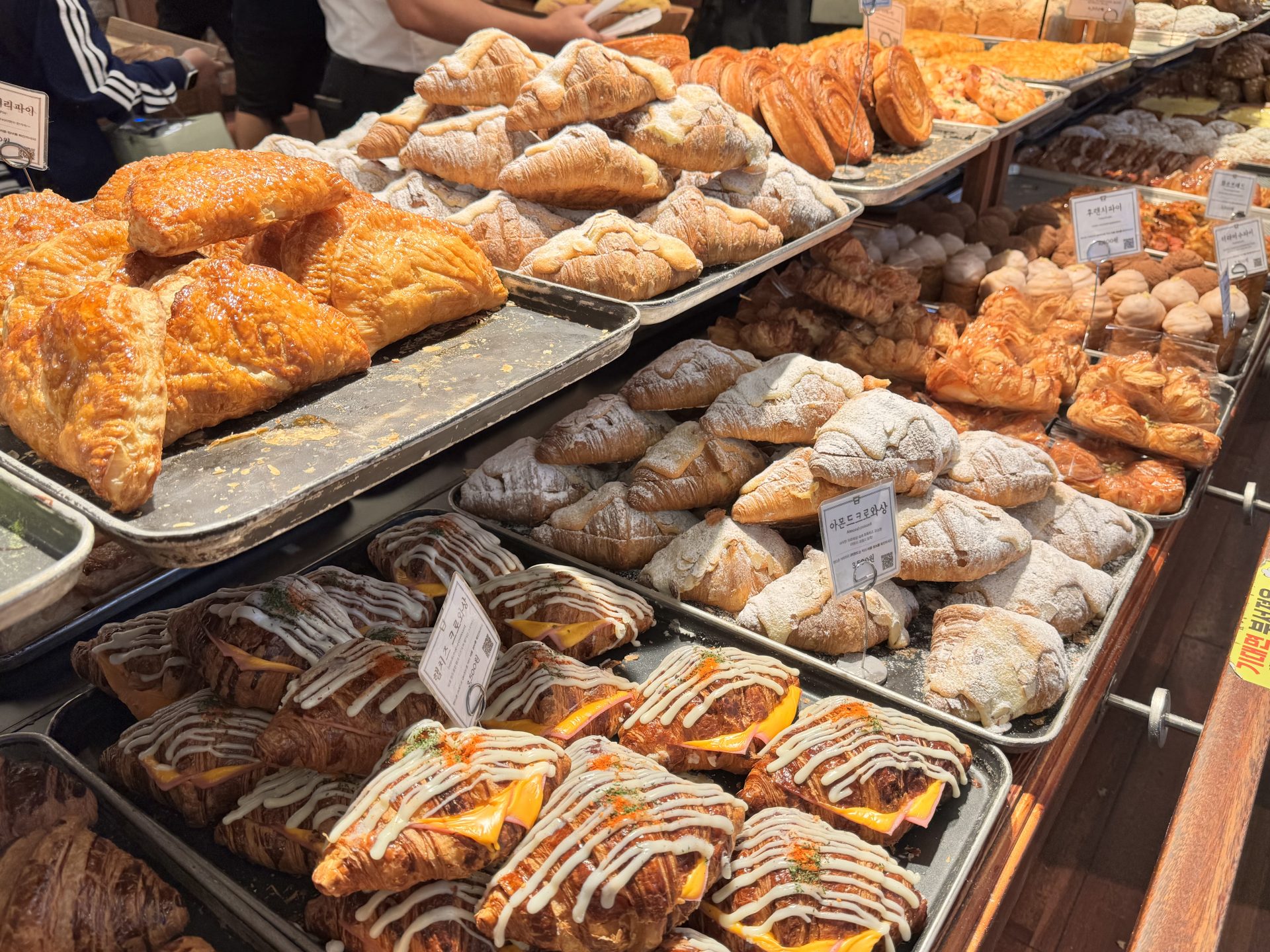
The romance of winter travel in Korea is not just about gazing at snow-covered landscapes. It’s also about stepping into a warm space from the frosty air outside, and being greeted by the irresistible aroma of freshly baked bread. This is where Korean winter finds its perfect companion—what locals call a “bread pilgrimage.”
This pilgrimage takes people on a journey of visiting famous bakeries across the country. More than a food trend, it has become a cultural phenomenon that combines travel, taste, and tradition.
We spotlight two bakeries beloved by Koreans, exploring why they have grown beyond simple neighborhood shops to become icons of Korea’s culinary culture. Here, the sweet and the savory find their perfect harmony, creating flavors that will leave you with unforgettable memories during your winter journey through Korea.
Sung Sim Dang, Daejeon: The Strawberry Legend of Winter
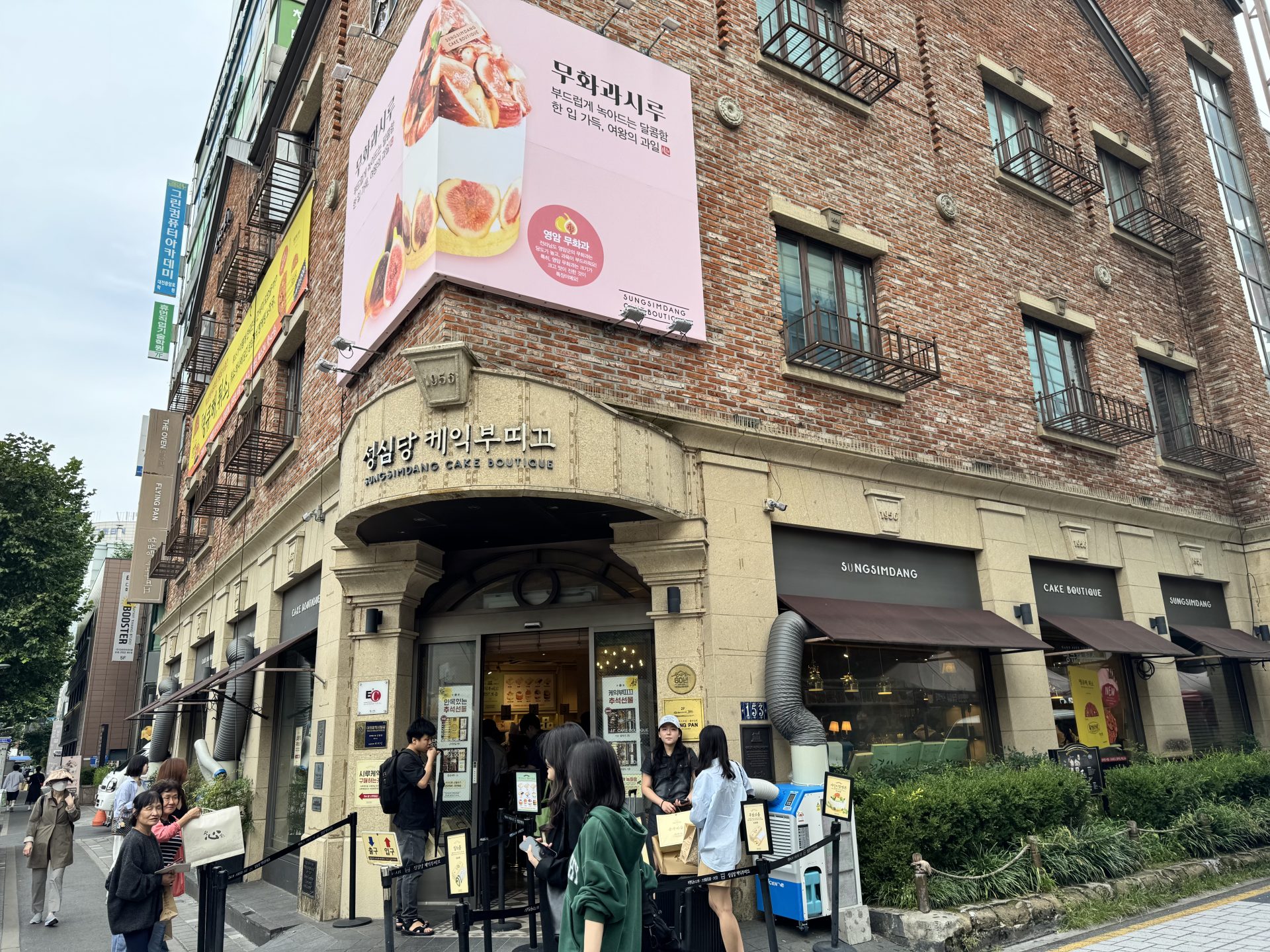
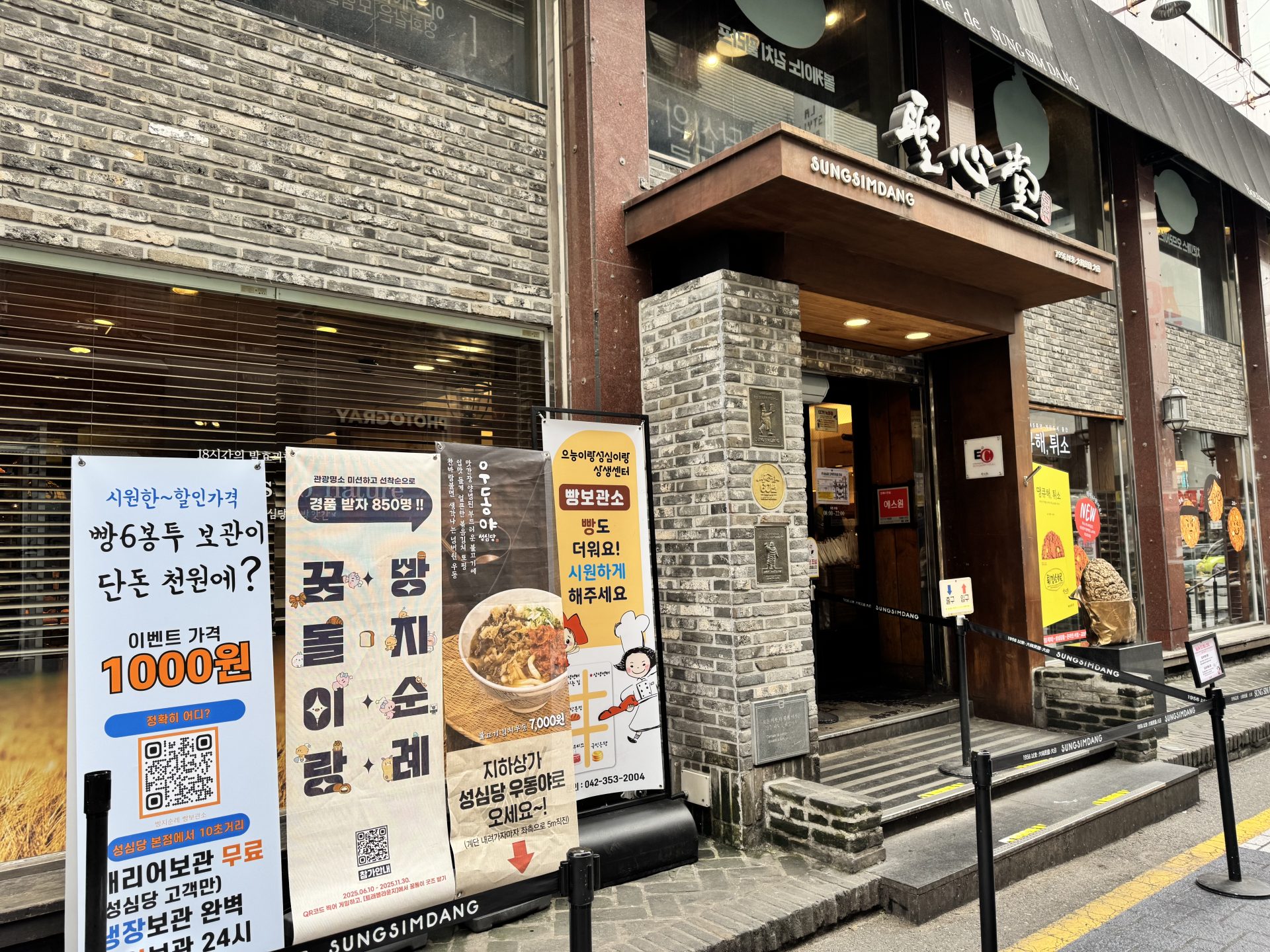
Our stop first in this culinary journey begins in the heart of Daejeon, at the beloved bakery, Sung Sim Dang. However, simply calling it a bakery hardly does it justice. Sung Sim Dang embodies the warmth of Korean culture, where community and sharing are at the core. The bakery is widely admired not only for its bread but also for its spirit of giving, donating unsold bread to orphanages and elderly residents who live alone.
Founded in 1956, just after the Korean War, Sung Sim Dang began as a humble steamed bun shop in front of Daejeon Station, sharing bread with neighbors in need. More than 60 years later, it continues to bake “bread of love,” remaining an inseparable part of the lives of Daejeon’s citizens. Today, thanks to its enduring values of generosity and dedication, Sung Sim Dang has grown into a nationwide icon and a symbol of Daejeon itself.
Walking through its doors, you’ll feel less like you’ve entered a bakery and more like you’ve stepped into a bustling festival. The comforting aroma of fresh bread, the busy hands of bakers pulling tray after tray from the ovens, and the crowds carefully choosing their favorites—all of it speaking to how deeply loved this place is.
Most people know Sung Sim Dang for its famous fried soboro bread and chive-filled buns. But in winter, something extraordinary takes center stage—a dazzling seasonal creation that steals the spotlight: the Strawberry Siru Cake.
At first sight, it’s hard to call it just a cake—it looks more like a grand strawberry tower. Its name, siru, comes from a traditional Korean steamer used for rice cakes, and true to the name, the cake resembles a heaping siru brimming with strawberries.
Why It Became a Representative of Korea’s Winter Cake?
• Striking size and visuals: Towering above ordinary cakes, its abundant strawberries resemble a festive Christmas tree. No wonder it’s a social media sensation and a must-have “photo moment.”
• Uncompromising freshness: Only the finest strawberries, sourced directly from farms each morning, make it into the cake. Winter is the peak season for Korean strawberries and Sung Sim Dang captures this fleeting moment at its best.
• Harmony of Korean taste: Moist sponge layers, fresh cream, and strawberry purée come together in perfect balance. It’s not overly sweet. Instead, it highlights the fruit’s natural freshness, winning the hearts of both locals and international visitors.
The Strawberry Siru Cake is a cultural experience that symbolizes Korea’s warm, abundant winters. Long lines form from early morning just to take one home, The sight of happy customers carrying their towering cakes has become a quintessential winter scene in Daejeon. To taste this winter legend for yourself is to create a memory you won’t soon forget.

Getting to Sung Sim Dang Cake Boutique from Seoul
The easiest way to reach Sung Sim Dang Cake Boutique (located right next to the main store) is by train or bus. Here’s how:
1. KTX High-Speed Train (fastest and most convenient)
• Departure: Seoul Station (KTX) or Suseo Station (SRT)
• Arrival: Daejeon Station
• Travel time: About 1 hour
• Fare: Around 23,000 KRW (standard seat)
From Daejeon Station to Sung Sim Dang Cake Boutique:
• Taxi: About 5 minutes, a short ride at the basic fare.
• Bus: Take local buses (e.g., 201 or 601) from Daejeon Station and get off at Euneungjeongi Street. From there, it’s a short walk to Sung Sim Dang. Total travel time: 5–10 minutes.
2. Express Bus (Budget-Friendly Option)
If you’re looking to save money, the express bus is a great alternative, though it takes a bit longer than the KTX.
• Departure Terminals: Seoul Express Bus Terminal (Gangnam, Gyeongbu Line) or Dong Seoul Terminal
• Arrival Terminal: Daejeon Complex Terminal
• Travel Time: About 2 hours
• Fare: Around 16,000 KRW (for deluxe buses)
From Daejeon Complex Terminal to Sung Sim Dang Cake Boutique:
• Taxi: About 10 minutes, costing around 7,000 KRW.
• Bus: From the terminal, take local buses (such as 201 or Express 2) and get off at Euneungjeongi Street. From there, it’s a short walk to Sung Sim Dang. Total travel time: about 20 minutes.
Address: 480 Daejong-ro, Jung-gu, Daejeon, (Eunhaeng-dong), South Korea
Hours: 08:30 – 21:30
Tel: +82-1588-8069
Lockers: Available at Daejeon Express Bus Terminal and Daejeon Station
Lee Sung Dang, Gunsan: The Surprising Charm of the Vegetable Bun
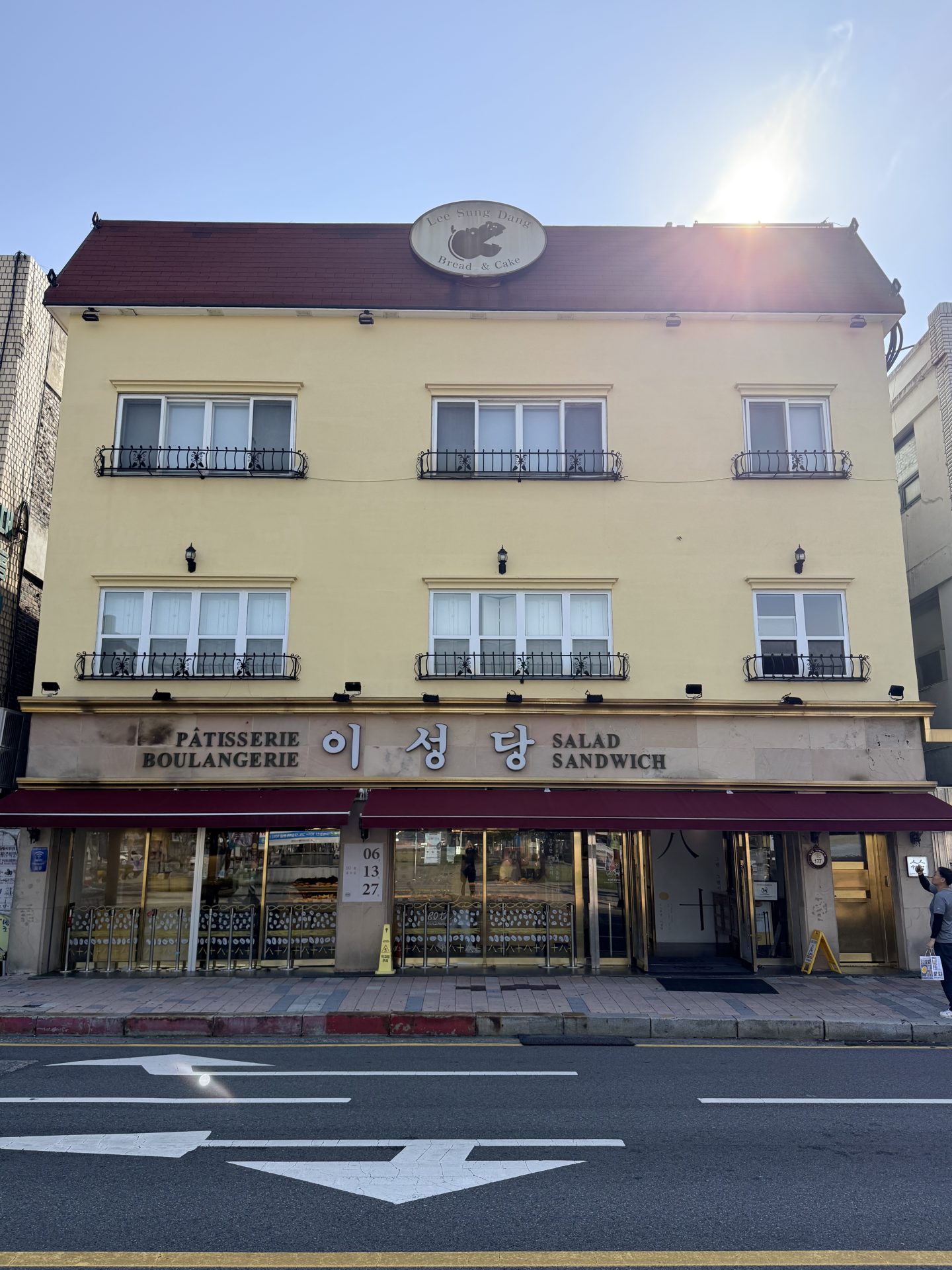
The second stop on Korea’s bread pilgrimage is none other than Lee Sung Dang in Gunsan. Opened in 1945, it holds the distinction of being the oldest bakery in Korea. Its history is deeply intertwined with Korea’s modern past. Originally established as a Japanese-run bakery called Izumoya, it was later acquired after liberation by Lee Seok-woo, who renamed it Lee Sung Dang. Today, the bakery stands as a living symbol of Korea’s turbulent history and resilience.
Visiting Lee Sung Dang feels like stepping back in time. The weathered signboard, brimming shelves, and the cheerful bustle of staff create a nostalgic yet vibrant atmosphere, showing just how beloved this place remains after generations.
While the bakery is best known for its chewy red bean buns made with rice flour, true devotees come for a different specialty: Vegetable bread.
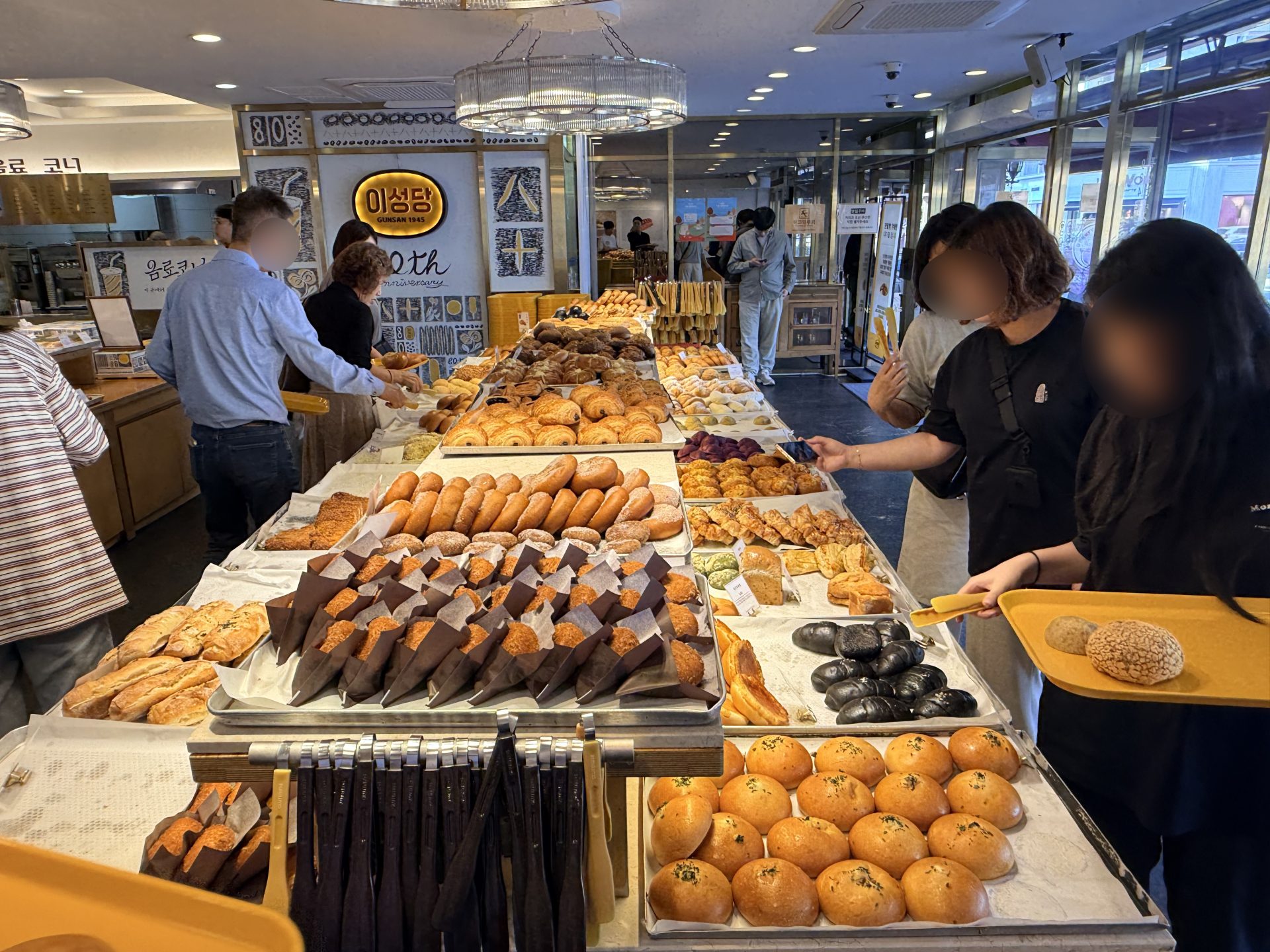
Why Vegetable Bread became famous?
• A flavor full of surprises: For many some, the idea of stuffing bread with vegetables might sound unusual. But Lee Sung Dang’s version defies expectations. Inside a crisp, thin bread shell is a medley of finely chopped cabbage, carrots, and onions, mixed with mayonnaise and a special seasoning. The result is a perfect harmony of soft bread and crunchy vegetables—savory, addictive, and unforgettable.
• A taste of Korean everyday life: The vegetable bread feels like a refined version of Korea’s street-style salad buns, offering both comfort and heartiness. Generously filled, it easily doubles as a meal on its own—mirroring the fast-paced yet practical lifestyle of many Koreans.
• History baked in: Though the exact date of its creation isn’t recorded, the vegetable bread has been a steady favorite since the 1980s. Over the decades, it has grown into a menu item that connects generations, carrying with it countless personal memories and stories.
Today, the long morning lines outside Lee Sung Dang are part of its iconic image. These aren’t just queues—they are proof of the bakery’s enduring reputation and the anticipation of flavor. Simply walking Gunsan’s streets with a warm vegetable bread in hand feels like simultaneously journeying through both Korea’s past and present.

Getting to Lee Sung Dang from Seoul
There are two main ways to reach Gunsan from Seoul: by train (with a transfer) or by express bus.
1. High-Speed Train (KTX/SRT, transfer required)
The fastest way to travel, though it requires a transfer since there is no direct KTX to Gunsan.
• Departure: Seoul Station or Yongsan Station (KTX), or Suseo Station (SRT)
• Arrival: Iksan Station
• Travel Time: About 1 hour 30 minutes
• Fare: Around 32,000 KRW (standard seat)
From Iksan Station to Lee Sung Dang:
• Taxi: Around 30 minutes, about 22,000 KRW.
• Bus: Walk from Iksan Station to Iksan Bus Terminal, then take an intercity bus to Gunsan (20–30 minutes). From Gunsan Intercity Bus Terminal, take local buses (routes 3, 7, 11, or 13) to Jungang Sageori stop, a short walk from the bakery.
2. Express Bus (direct and most convenient)
If you prefer a one-way trip without transfers, the express bus is the easiest option.
• Departure Terminal: Seoul Central City Terminal (Gangnam, Honam Line)
• Arrival Terminal: Gunsan Express Bus Terminal
• Travel Time: About 2 hours 30 minutes
• Fare: Around 22,000 KRW (deluxe bus)
From Gunsan Terminal to Lee Sung Dang:
• Taxi: About 5 minutes, at the basic fare.
• Bus: Take local buses (routes 3, 7, 11, or 13) to Jungang Sageori stop, then walk a few minutes to the bakery. Travel time: around 10 minutes.
Extra Tips for Visitors
• Speed vs. Convenience: Take the train if you prioritize speed, or choose the express bus for a simpler, direct route.
• Location: Lee Sung Dang is located in the heart of Gunsan, making it easy to combine with visits to other nearby attractions like Dongguksa Temple and Hirotsu House.
Address: 177 Jungang-ro, Gunsan-si, Jeollabuk-do
Hours: 08:00 – 21:30
Tel: +82-63-445-2772
Lockers: Available at Gunsan Express Bus Terminal