Korean street food has transcended the role of a simple snack to become a symbol of the nation’s distinctive food culture. Street food is easily accessible, quick, and affordable—qualities that have endeared it to both locals and foreign visitors alike. In recent years, its popularity has surged globally thanks to Korean dramas, variety shows, and social media, which have presented street food as a “must-try” experience for any traveler to Korea.
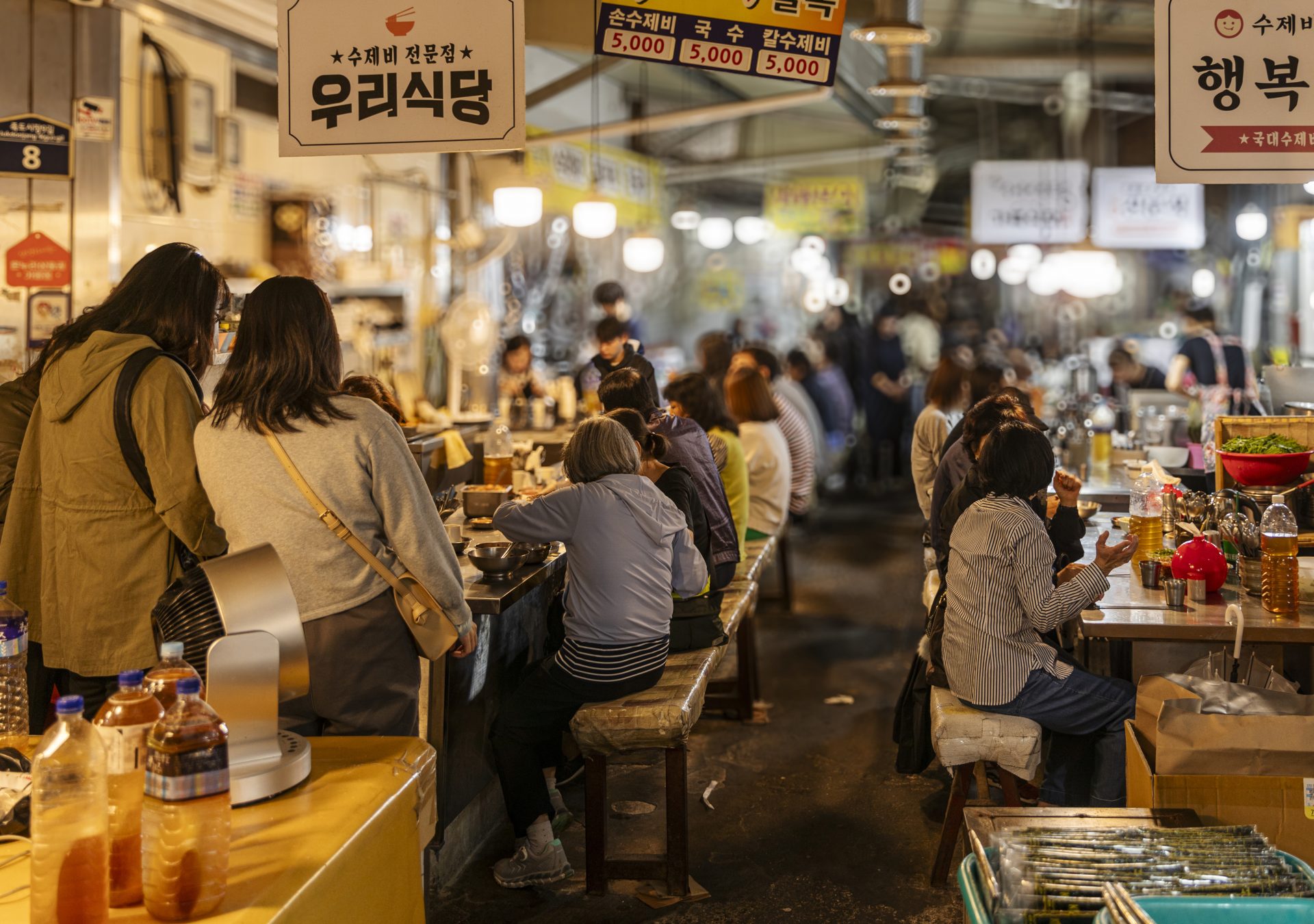
Key Reasons for the Popularity of Korean Street Food:
- Affordable and Convenient:
Korean street food stands out for being cheap and fast. Classics like tteokbokki, sundae, twigim (deep-fried snacks), eomuk (fish cake), and hotteok can all be enjoyed at reasonable prices. Stemming from times when people needed filling meals on a budget, these foods remain accessible to everyone today, from students to professionals and tourists alike. The speed of preparation also suits those on busy schedules or out exploring, making “quick and convenient meals” a core appeal. - Live Experience and Atmosphere:
Street food is about more than just eating—it’s an interactive experience. Watching food cooked right before your eyes, the aroma of spicy sauces, the sound of fish-shaped pastries sizzling, and the lively banter with vendors all contribute to a vibrant and memorable scene. For many foreigners, this authenticity and sense of community are especially attractive. - Frequent Appearances in K-Dramas and Media:
Street food often features in Korean dramas, variety shows, YouTube videos, and films. Scenes of friends sharing tteokbokki or grabbing fish cake skewers on a chilly night have sparked curiosity and desire among global audiences, who want to enjoy the foods they see on screen. - Social Media Buzz and Trendy K-Street Food:
Colorful, eye-catching foods, entertaining cooking performances, and the simplicity of eating on the go make Korean street food a hit on platforms like Instagram, TikTok, and YouTube. Foreign influencers and travel vloggers further boost its reputation as an essential part of a trip to Korea, spreading the culture in real time and fueling the “K-food” craze. - Rich History and Evolving Culture:
The roots of Korean street food trace back to traditional markets and stalls during the Joseon Dynasty, evolving through decades of economic hardship into today’s vibrant street and food truck scenes. Each era has left a mark, turning street food into a living cultural symbol accessible to all. - A Unique Local Experience:
Visitors to Korea enjoy street food as an opportunity for authentic interaction—chatting with vendors, watching food prepared on the spot, and sharing bites with locals. This experience captures Korean hospitality (“jeong”) and a sense of community, making it truly memorable. - Diversity, Creativity, and Regional Flavors:
From tteokbokki, eomuk, and hotteok to regional specialties and new recipes like cheese tteokbokki, ssiat hotteok (filled with seeds), twist potatoes, spicy chicken skewers, and even kebabs and waffles, the range of options is vast and always evolving.
Source:
- Korea Tourism Organization – korean.visitkorea.or.kr
- Ministry of Culture, Sports and Tourism – www.mcst.go.kr
- **YouTube Channel Strictly Dumpling – www.youtube.com/user/strictlydumpling**
- “Food as Ceremony” (Author: Ju Young-ha, Blue History Publishing)
- “Understanding Korean Food Culture” (Authors: Kim Ji-young et al., Baeksan Publishing)
- Busan Tourism Organization – www.bto.or.kr