Spring Begins with Scent
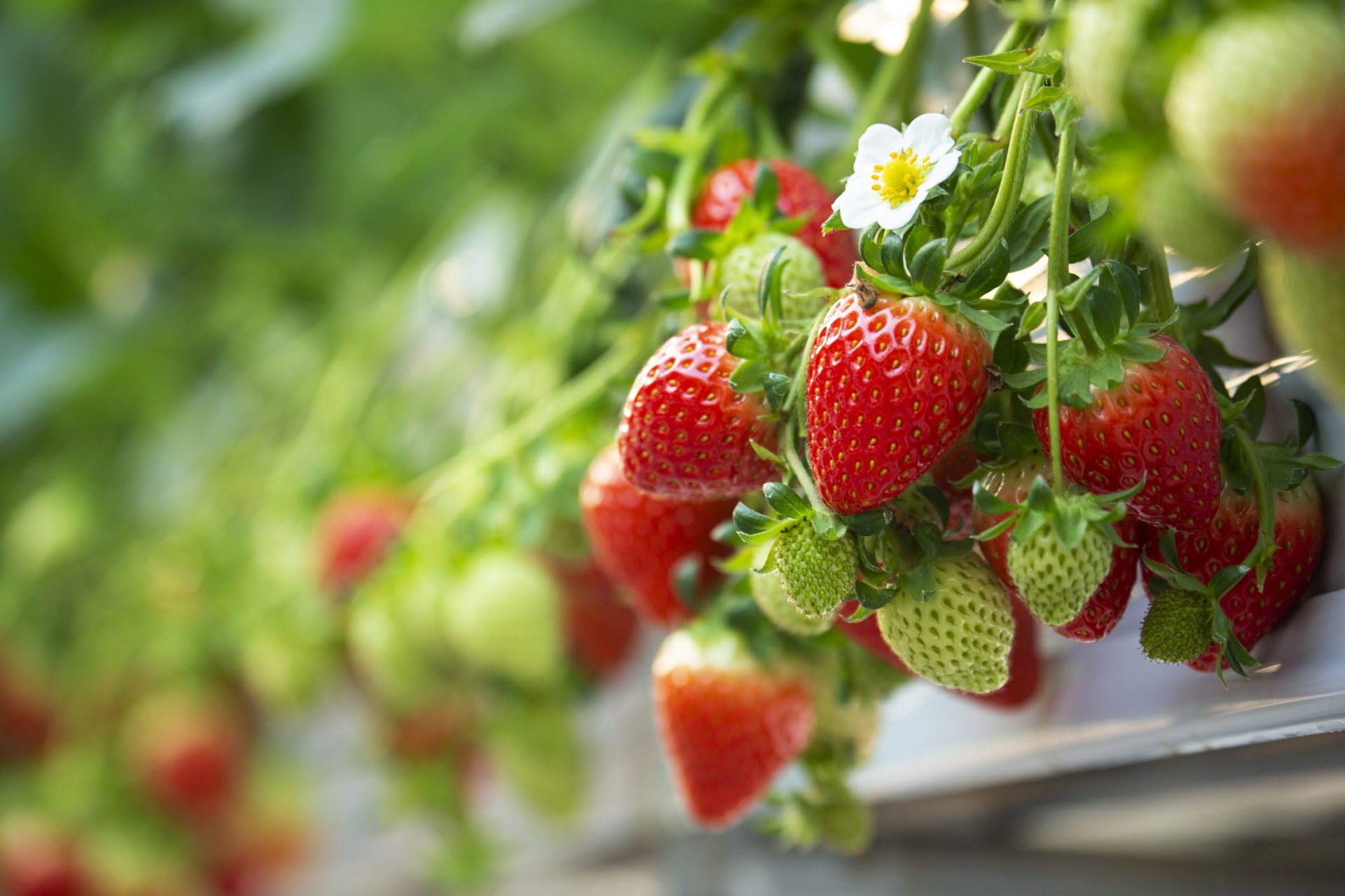
Spring in Korea arrives not through sight, but through scent.
From late February to early March, when cold air still lingers on the streets, walking through downtown Seoul or a traditional market often brings you to an unexpected halt. A sweet, rich aroma brushes past your nose—not from a perfume shop, nor from a flower stand, but from piles of red jewels stacked high on fruit stalls: strawberries.
To Koreans, strawberries are far more than just a fruit. They are the most vivid signal announcing the arrival of spring, a declaration that life is about to burst into full color after the long, gray tunnel of winter. Once March arrives, people of all ages across Korea fall into a collective strawberry fever. Cafés, hotels, bakeries, and even convenience stores turn red almost overnight.
When Michelin-star chefs and seasoned gourmets visiting Korea first taste Korean spring strawberries, what shocks them most is the overwhelming aroma and the almost unbelievable softness. This stands in stark contrast to strawberries grown in the West or Japan, which are bred to be firm enough for transportation and storage, and often retain a noticeable acidity to suit jams or pies. Korean strawberries, by contrast, have been cultivated for one singular pleasure: eating them fresh, straight from the hand.
The moment you bite into one, jam-like juice floods your mouth. Acidity is barely perceptible, and the flesh dissolves on the tongue like cotton candy. This is less a fruit than a candy that happens to grow on a plant.
Victory in the “Seed War”: The Red Miracle that Surpassed Japan
Although Korean strawberries are now widely regarded as the best in the world, this reality is surprisingly recent. Behind this red fruit lies a story of intense struggle, scientific dedication, and a dramatic reversal that makes each bite taste even sweeter.
The Lost 90% and the Fear of Royalties
Until the early 2000s, Korea’s strawberry fields were effectively a colony of Japanese varieties. Cultivars such as Akihime and Red Pearl accounted for over 90% of all strawberries grown in Korea. Farmers were forced to pay a significant portion of their earnings back to Japan as seed royalties.
When Korea joined the International Union for the Protection of New Varieties of Plants (UPOV) in 2002, fears spread that these royalty payments would skyrocket. Pessimism ran rampant. Many believed that Korean strawberry farming was doomed.
The Birth of Seolhyang: An Agricultural Independence Movement
In response, researchers at Korea’s Rural Development Administration embarked on what they openly called a fight for “strawberry independence.” After tens of thousands of crossbreeding trials and countless failures, a miracle variety was born in 2005: Seolhyang.
Its name means “a fragrance blooming in the snow.” Seolhyang corrected nearly every weakness of existing Japanese cultivars. It was more resistant to disease, more vigorous in growth, and—most importantly—perfectly aligned with the Korean palate, boasting abundant juice and a clean, refreshing sweetness.
The results were astonishing. Farmers rapidly switched to Seolhyang, and the domestic seed adoption rate surged from just 9.2% in 2005 to 96.3% by 2021. Today, Japanese strawberries are almost impossible to find in Korean fields. Korea had transformed from a strawberry-importing nation into a global powerhouse with its own proprietary varieties.
The Drama of PyeongChang 2018: “Korean Strawberries Are Better”
The moment that propelled Korean strawberries onto the global stage—particularly shocking Japan—came during the 2018 PyeongChang Winter Olympics.
The Japanese Curling Team’s Snack Time
Japan’s women’s curling team, which went on to win a bronze medal and become national heroes, drew attention for their habit of munching on strawberries during breaks between matches. When Japanese reporters asked what they were enjoying so enthusiastically, skip Fujisawa Satsuki and second Suzuki Yumi replied with bright smiles:
“Korean strawberries are astonishingly delicious.”
Shockwaves Across Japan
This innocent compliment sent shockwaves through Japan. For a country that had long believed itself to be the world’s strawberry authority, hearing such praise from its own national athletes was deeply unsettling. Japan’s Minister of Agriculture at the time, Ken Saito, publicly expressed discomfort, noting that the strawberries consumed by the team were Korean, not Japanese.
Ironically, his remark served as free global advertising, cementing the idea that Korean strawberries had surpassed their former mentors. The episode is now remembered as a symbolic moment of cheongchul-eoram—the student surpassing the master.
No. 1 in Fresh Exports: The Nightly Strawberry Flights
Today, strawberries stand alongside kimchi and ginseng as icons of K-Food. They are, in fact, Korea’s top fresh agricultural export.
Each night during harvest season, Incheon International Airport transforms into a crimson battleground. Boxes of strawberries are rushed onto flights bound for Hong Kong, Singapore, Thailand, Vietnam, and Malaysia. Korean Air and Asiana Airlines even operate strawberry-only charter flights during peak season.
In Southeast Asia’s luxury department stores, Korean strawberries are treated as premium goods, priced three to four times higher than local or American strawberries—yet they sell out first. Among Hong Kong’s elite, gifting Korean strawberries during Valentine’s Day or Lunar New Year has become a symbol of wealth and refined taste. They are often described as “the Hermès of fruit.”
A Panorama of Varieties: Which Strawberry Suits You?
Korea’s strawberry story does not end with Seolhyang. Agricultural innovation continues to diversify flavors and textures.
- Seolhyang – The national favorite, known for explosive juiciness and balanced sweetness
- Kingsberry – Exceptionally large, with a subtle peach aroma, prized for gifting
- Jukhyang – A gourmet’s choice, firmer with a perfect sweet–tart balance
- Merryqueen – Crisp and firm, addressing the softness of traditional varieties
- Vitaberry – High in vitamin C, bright and aromatic, popular with younger consumers
The Science of Cultivation: Why Spring Makes Them Sweeter
Many foreigners ask, half-jokingly, whether Korean strawberries are injected with sugar. The truth lies in the art of waiting and advanced agricultural technology.
The Magic of Cold Ripening
Korean strawberries ripen slowly in cool conditions, sometimes taking three times longer than strawberries grown in warmer climates. This extended ripening allows sugars to accumulate, transforming the fruit into what can only be described as natural candy.
Smart Farming
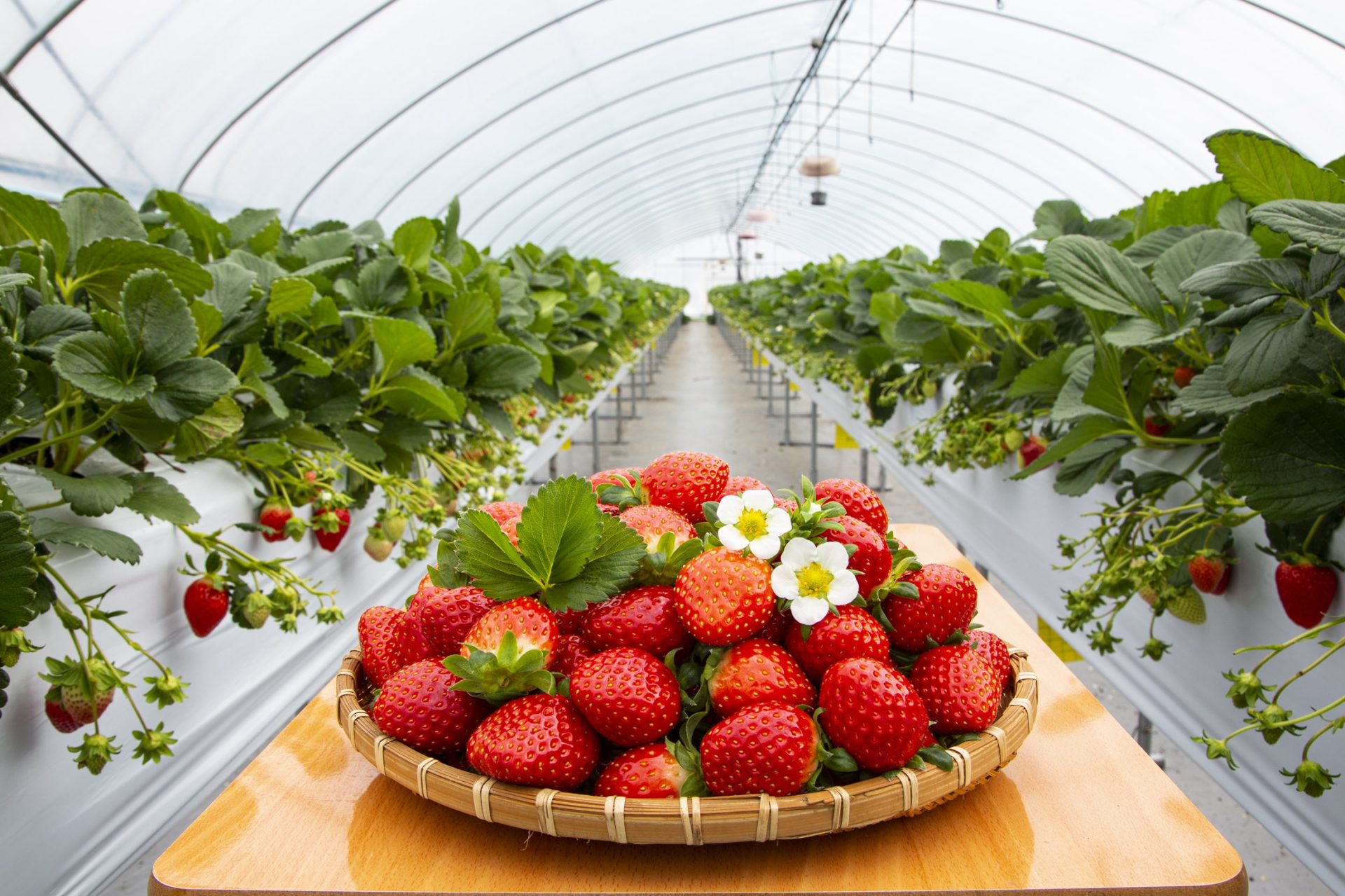
Most Korean strawberries are grown using high-bed hydroponic systems, suspended at waist height. Computers monitor temperature, humidity, light, water, and nutrients 24/7. This precision ensures strawberries that are clean, consistent, and flavorful enough to be eaten without washing.
Lifestyle: Spring Picnics and Strawberry Culture
(Lifestyle: Spring Picnics and Strawberry Culture)
In Korea, spring strawberries are not merely a snack. From March through May, they become a full-blown cultural code—a seasonal obsession that quietly takes over people’s leisure time, their café menus, their weekend plans, and even the color palette of the city itself. Once strawberry season arrives, Korea doesn’t just eat strawberries; it lives them.
1) Hotel Strawberry Buffets: Spring as a Luxury Ritual
From December to April, Korea’s five-star hotels turn into something close to a battlefield—because the famous “strawberry buffet” season begins. Lobby lounges are dressed in red, pastry counters stretch endlessly, and dozens of strawberry desserts are served with unlimited refills, from towering strawberry displays to delicate montblancs and omelets that look like edible art.
Yes, it’s expensive—often well over 100,000 KRW per person—but that price doesn’t slow anyone down. Reservations sell out the moment they open, and scoring a seat can feel like winning a ticket to a concert. For many young Koreans, visiting a strawberry buffet, photographing the desserts, and posting the proof on social media is not just indulgence; it is a seasonal ceremony, a stylish declaration that spring has officially arrived.
2) The Essential Item for a Han River Picnic
April. Cherry blossoms in full bloom. The grass fields of Hangang Park dotted with picnic mats like a patchwork quilt. And in people’s hands—alongside fried chicken and cold beer—there is almost always one more essential item: a pack of strawberries.
Under soft spring sunlight, with cherry blossom petals drifting down like confetti, biting into a strawberry is like tasting the season itself: bright, fragrant, and fleeting. In that moment, strawberries are not simply fruit; they become a small, sweet shorthand for Korean spring—a memory you can eat.
3) K-Dessert: Tanghulu and Real Strawberry Latte
A recent street-food takeover in Korea is strawberry tanghulu—strawberries coated in a thin layer of sugar syrup that hardens into glassy sweetness. The first bite delivers a sharp, satisfying crack—that iconic “ba-sa-sak” crunch—followed immediately by a burst of warm, fragrant juice from inside. It’s a dessert built on contrast: brittle and soft, sweet and fresh, playful and strangely addictive.
And then there’s the seasonal national drink you’ll see in virtually every café: the “real strawberry latte.” Fresh strawberries are mashed or lightly crushed at the bottom of the cup, milk is poured over, and the drink becomes a pale pink gradient of spring. It’s simple, almost too simple—yet it’s exactly what people want: the taste of strawberries, unhidden and unprocessed, in a form you can hold and sip while walking through a city that is slowly turning red.
Practical Guide: From Buying to Eating
Where to Buy
Strawberry trucks: In spring, pay attention to the small trucks that roam residential neighborhoods broadcasting, “Ttal-gi~ Ttal-gi~” (Strawberries~ Strawberries~). Often, these trucks are loaded with strawberries harvested the very same day from nearby farms, which means they can be fresher and cheaper than supermarket options. The rule of thumb is: if the sweet fragrance is so strong you can smell it from about ten meters away, you don’t hesitate—you buy.
Traditional markets: At markets, strawberries don’t always come neatly packaged in 500g clamshells. Instead, you may find them piled high in red plastic basins—sold generously, almost theatrically. And if you’re lucky, a friendly vendor may press one or two strawberries into your hand with a simple smile that says, “Try it.”
How to Eat — Don’t Wash Them (Much)
One of the best ways to enjoy Korean strawberries—especially those grown in clean hydroponic systems—is surprisingly simple: don’t wash them.
Or if you must, rinse them for one second under running water, as if you’re merely brushing off dust. Strawberries have no protective skin; the moment they soak in water, their surface softens, and precious flavor—vitamins and natural sugars—can be washed away.
And there’s another rule: remove the stem only right before you eat. If you pull it off too early, moisture escapes and the strawberry loses the very juiciness you’re chasing.
The Best Bite Order: From Stem to Tip
Here’s a small but important detail that locals often know instinctively: the pointed tip of a strawberry is the sweetest part, while the stem end tends to be less sweet. So if you want the flavor to finish at its peak, start by placing the stem end in your mouth first, and save the tip for last—so the sweetest note lingers as the final aftertaste.
It’s a tiny technique, but it turns a good strawberry into a perfect strawberry—one that ends like spring itself, with sweetness that refuses to leave.
With this, we conclude our long journey through
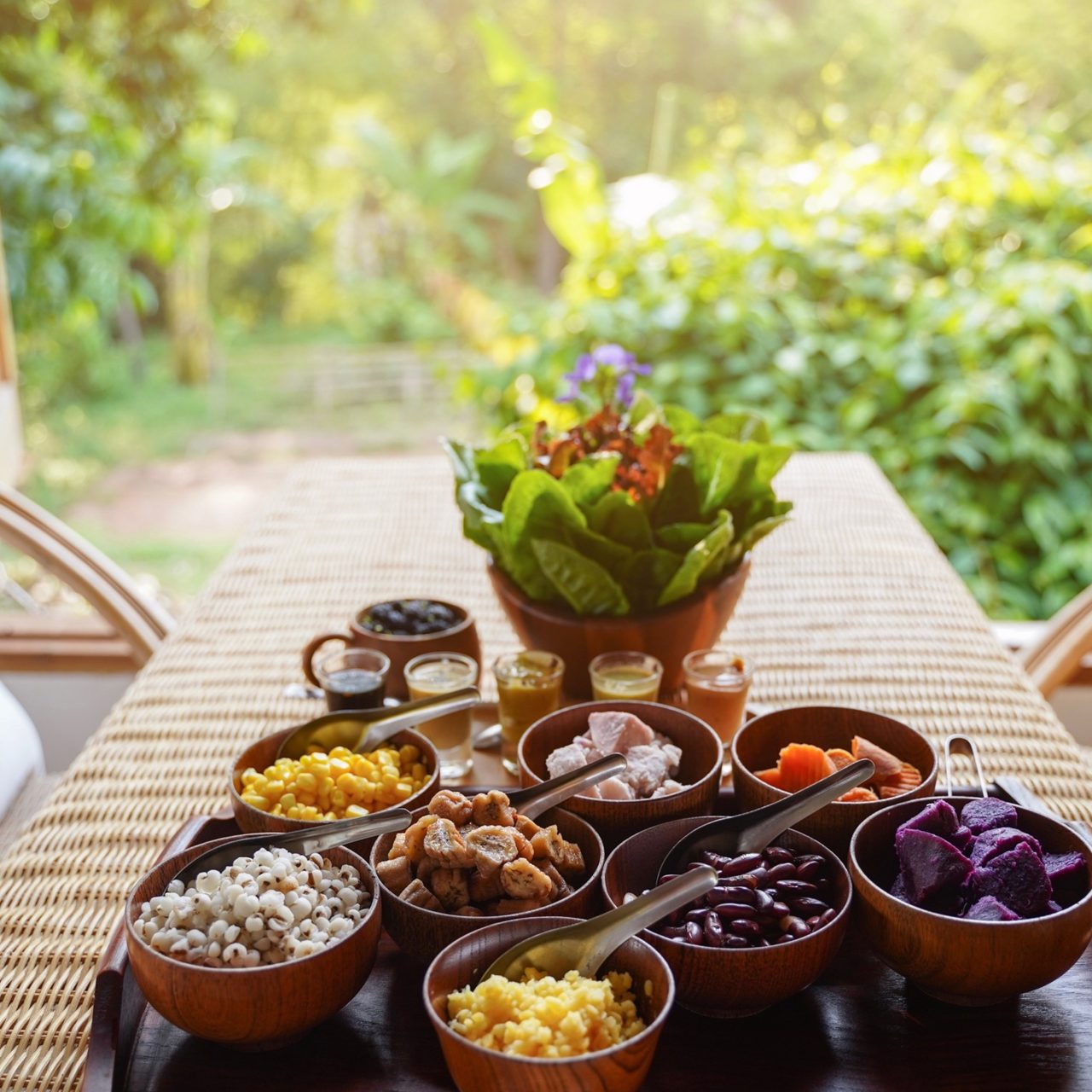
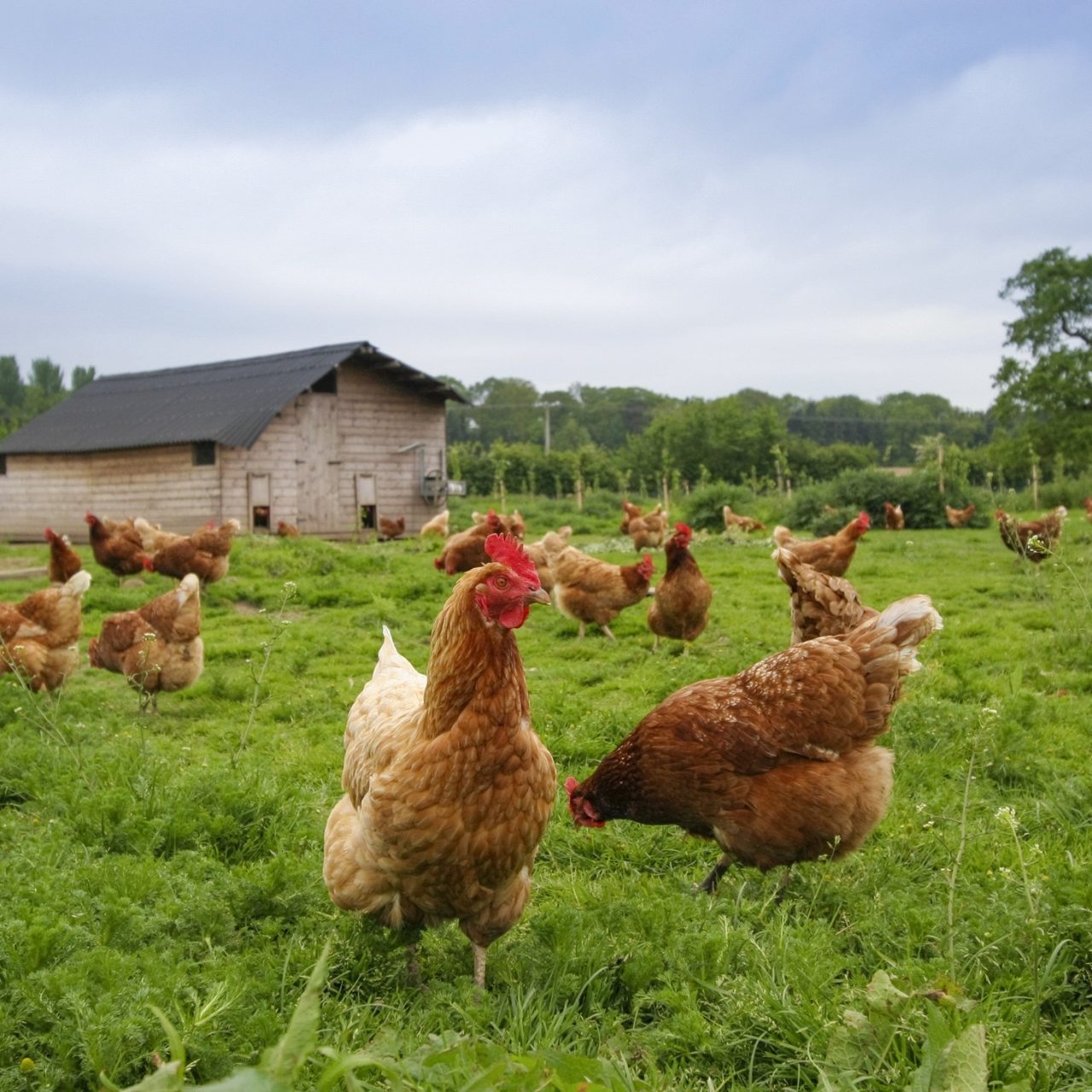
The Taste of Korea: Earth (spring greens), Energy (chicken), and Sweetness (strawberries).
From soil that awakens life, to fire that fuels passion, and finally to sweetness that lingers like a memory,
this journey has traced how Koreans taste time, seasons, and emotion through food.
May these red jewels—bright, fragrant, and fleeting— become the sweetest memory of your journey through Korea, long after the season has passed and the taste itself has faded.
Epilogue
What Does Your Journey Taste Like?
Today, we have reached the end of a long and flavorful journey.
It began with the bitter, earthy aroma of spring greens pushing their way through frozen soil after a long winter. It continued through steaming bowls of samgyetang and lively chicken alleys, where heat, energy, and human voices rose together. And finally, it concluded with the sweet, radiant scent of strawberries—the queen of spring, admired by the world.
At first glance, these three themes may seem entirely different. Yet together, they form a multi-dimensional portrait of Korea itself.
- Earth (Spring Greens):
The taste of life—rooted in respect for nature’s order, an understanding of patience, and the quiet power of seasonal rebirth. - Energy (Chicken Dishes):
The taste of passion—creative, fast-moving, efficient, and meant to be shared loudly and joyfully with others. - Spring Sweetness (Strawberries):
The taste of comfort—Korean agriculture’s pride that surpassed its teachers, and the most vivid, gentle gift offered to travelers.
Korean food is not simply spicy or salty. Within each dish lives a reverence for the seasons, a dedication to honoring ingredients in their truest form, and above all, a culture of sharing known as jeong—a deep, unspoken bond formed through food.
In Korea, when people greet a friend after a long time, they often say not “Hello,” but “Have you eaten?” Behind this simple question lies genuine care: Are you well? Let us share energy, warmth, and time together.
When you step into an unfamiliar Korean restaurant, when you point at a menu and say, in hesitant pronunciation, “This, please,” Koreans are already prepared to welcome you warmly.
From this moment on, as you close this guidebook, the journey is no longer mine—it is yours.
So ask yourself:
What kind of taste do your body and heart crave today?
- If you seek purification and the raw vitality of nature, visit a traditional market early in the morning and look for spring greens, still dusted with soil, sold by elderly vendors.
- If you need comfort from the city and a surge of warmth and energy, step into a lively dakgalbi restaurant or a glowing chicken shop along the Han River as evening falls.
- And if you long for spring romance and the world’s finest sweetness, take a bite of a glowing Korean strawberry at a fruit stand or picnic spot.
Food is the most honest and powerful language—one that transcends borders and words. May the taste of Korea that settles on your tongue remain in your heart, as vivid as the clearest photograph when you look back on this journey.
Welcome to the Korean table. And as we say in Korea—
“Enjoy your meal.”
(Bon Appétit!)