K-Pop Demon Hunters was more than just a fantasy action film. Its unique concept—glamorous K-pop idols hunting demons drawn from Korean folklore—captivated audiences worldwide, and its impact has spilled far beyond the screen.
The palaces and city streets that framed the characters’ performances, the traditional artifacts that set the stage for their battles have now become pilgrimage sites for fans. Once-quiet museums now experience “open runs,” with visitors lining up before opening hours, eager to step into the world they saw on screen.
The wave sparked by K-Pop Demon Hunters is not simply another chapter in the Korean Wave. It breaks down the boundary between pop culture and traditional heritage, redefining K-culture as something both modern and timeless—an experience everyone can share.
Breaking Boundaries: How the Film Opened a Cultural Gateway
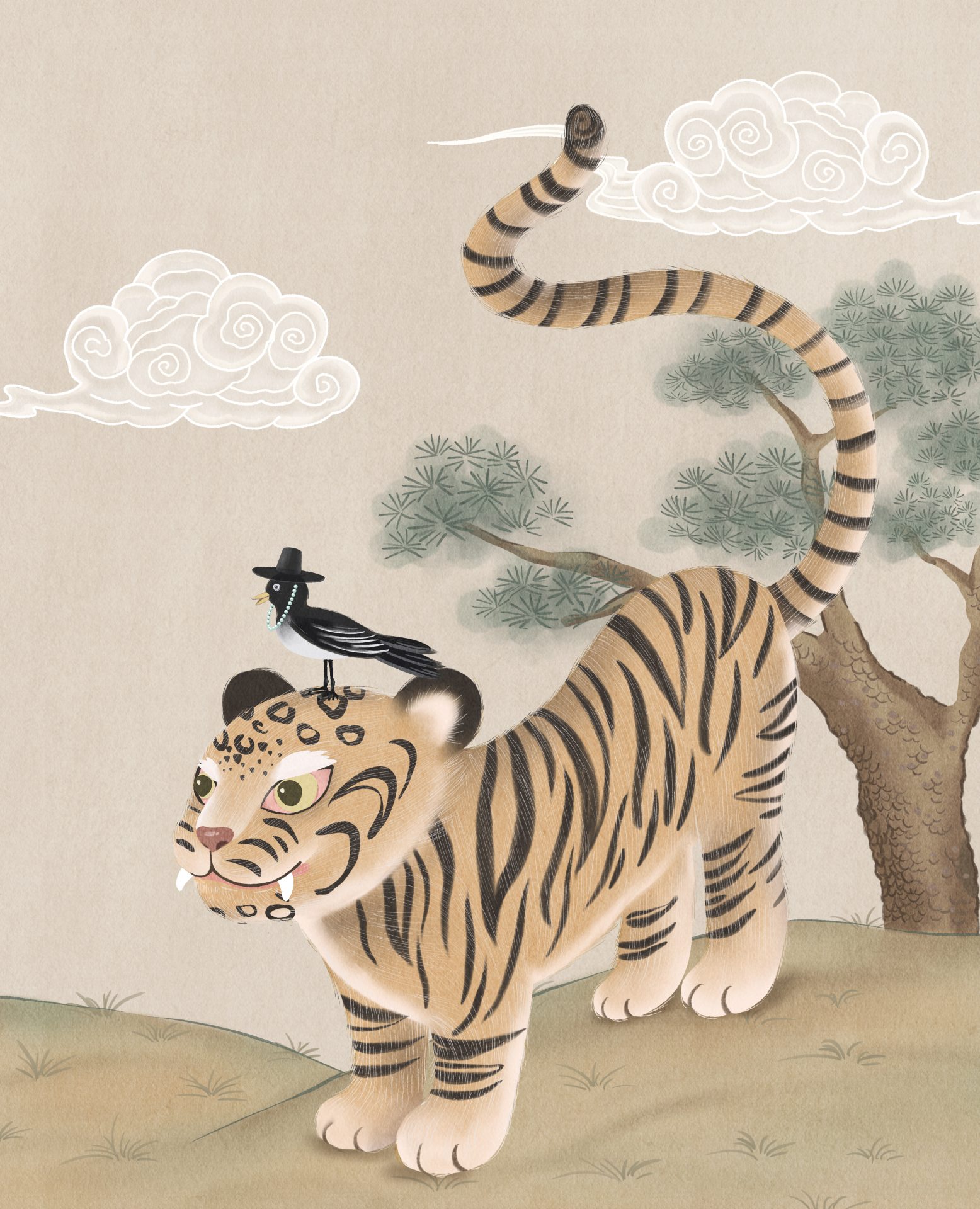
From the very start, K-Pop Demon Hunters felt refreshingly original. Its creative reinterpretation of traditional Korean elements through a modern lens was enough to spark global curiosity. Heroes appeared in costumes inspired by hanbok, performed sword dances rooted in traditional choreography, and fought alongside characters modeled on magpies and tigers from folklore—presenting an Eastern aesthetic entirely unlike that of Western fantasy.
Among the film’s most beloved characters was the charming tiger, Derpy. Inspired by the folk painting hojagdo (depictions of magpies and tigers), Derpy was reimagined as a modern companion character. Acting as a messenger between the protagonists Rumi and Jinu, he often pairs with the magpie, Sussie to deliver crucial information in key scenes. Together, they are more than sidekicks—they embody the symbolic depth of Korean tradition. In folk paintings called Hojagdo, magpies signify good fortune and joy, while tigers represent strength and courage. These two motifs became cherished in the late Joseon dynasty as emblems of prosperity and protectors against evil. Thanks to this cultural design, audiences found themselves naturally drawn to Korea’s history and heritage while watching the film. Many began visiting museums not just to see objects from the past, but to immerse themselves more deeply in the beauty of Korean tradition. In this way, the movie has grown beyond pure entertainment, evolving into cultural content with genuine educational value—opening a door of curiosity into Korea itself.

Numbers Tell the Story: A New Chapter for the National Museum of Korea
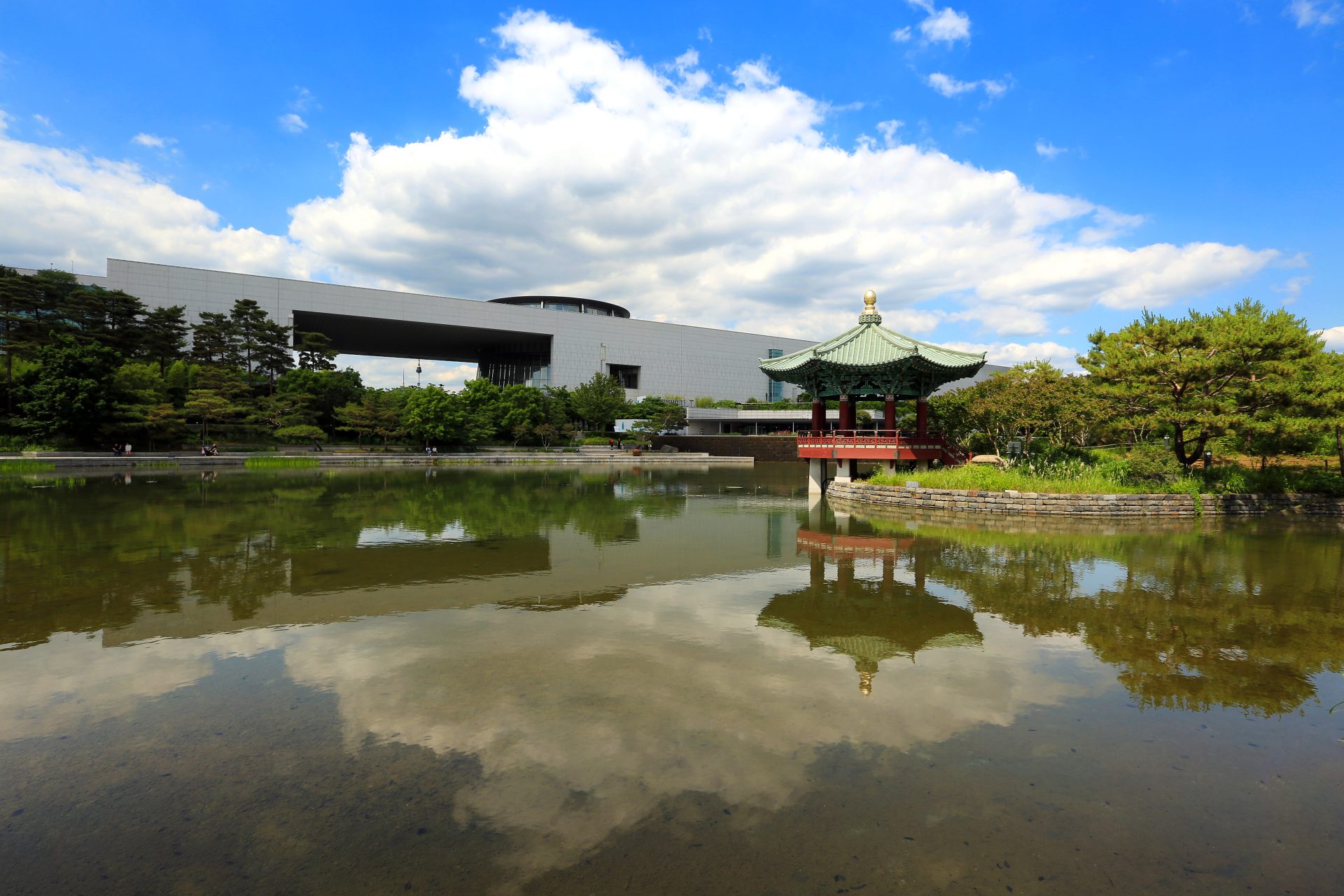
Perhaps the most dramatic proof of the K-Pop Demon Hunters phenomenon lies in the record-breaking visitor numbers at the National Museum of Korea. In July alone, the museum welcomed nearly 740,000 visitors—the highest monthly figure in its 20-year history. That represents a 105% increase compared to the same month last year, before the film’s release.
These numbers reveal more than just a spike in attendance. Long lines now form even before the museum opens, with “open runs” becoming a daily routine. Popular merchandise often sells out on the day it arrives, fueled by fans’ unrelenting enthusiasm. Once considered a destination mainly for middle-aged visitors, the museum has transformed into a must-see stop for young people and international tourists alike.
K-Pop Demon Hunters has reshaped the museum’s image—from a quiet, solemn institution into a dynamic, trend-setting hub at the heart of K-culture.
Beyond Goods: The “Mewds” Syndrome
The passion of K-Pop Demon Hunters fans didn’t stop at visiting museums. It quickly turned into a desire to collect cultural-heritage-inspired merchandise—nicknamed “mewds” (museum + goods). Unlike ordinary movie souvenirs, these items carry special meaning because they embody the beauty of Korea’s traditional heritage.
Standout items such as the Magpie & Tiger Badge, a miniature of the Pensive Bodhisattva, the elegant Moon Jar, and the color-changing Magic Cup that reveals hidden designs became instant hits, selling out almost as soon as they were stocked. As a result, merchandise sales at the National Museum of Korea soared to 4.9 billion won in July—an increase of 180% compared to the same month last year—underscoring the film’s powerful commercial impact. Fans saw these products not just as memorabilia, but as tangible pieces of the film’s universe and as expressions of their appreciation for Korean traditional art.
This explosive demand demonstrates how the movie has grown beyond a passing trend to become a cultural force. Riding the wave of global interest sparked by the Netflix film, a new K-Heritage flagship store is set to open beneath Gyeongbokgung Palace in 2027. Backed by a 16 billion won investment, the project aims to meet soaring demand for heritage products while reimagining Korea’s past as a resource for the future.
K-Pop Demon Hunters has achieved something remarkable: transforming quiet traditions into a living source of economic vitality and cultural pride.
The Evolution of K-Culture: A New Fusion of Pop and Tradition
The phenomenon sparked by K-Pop Demon Hunters goes far beyond a temporary trend. It points to a new direction for the evolution of K-culture. And, it is not limited to this film alone. Previously, BTS member RM drew widespread attention to traditional Korean art simply by visiting museums and galleries. Such examples clearly show the synergy that emerges when the immense influence of K-pop and K-film intersect with cultural heritage.
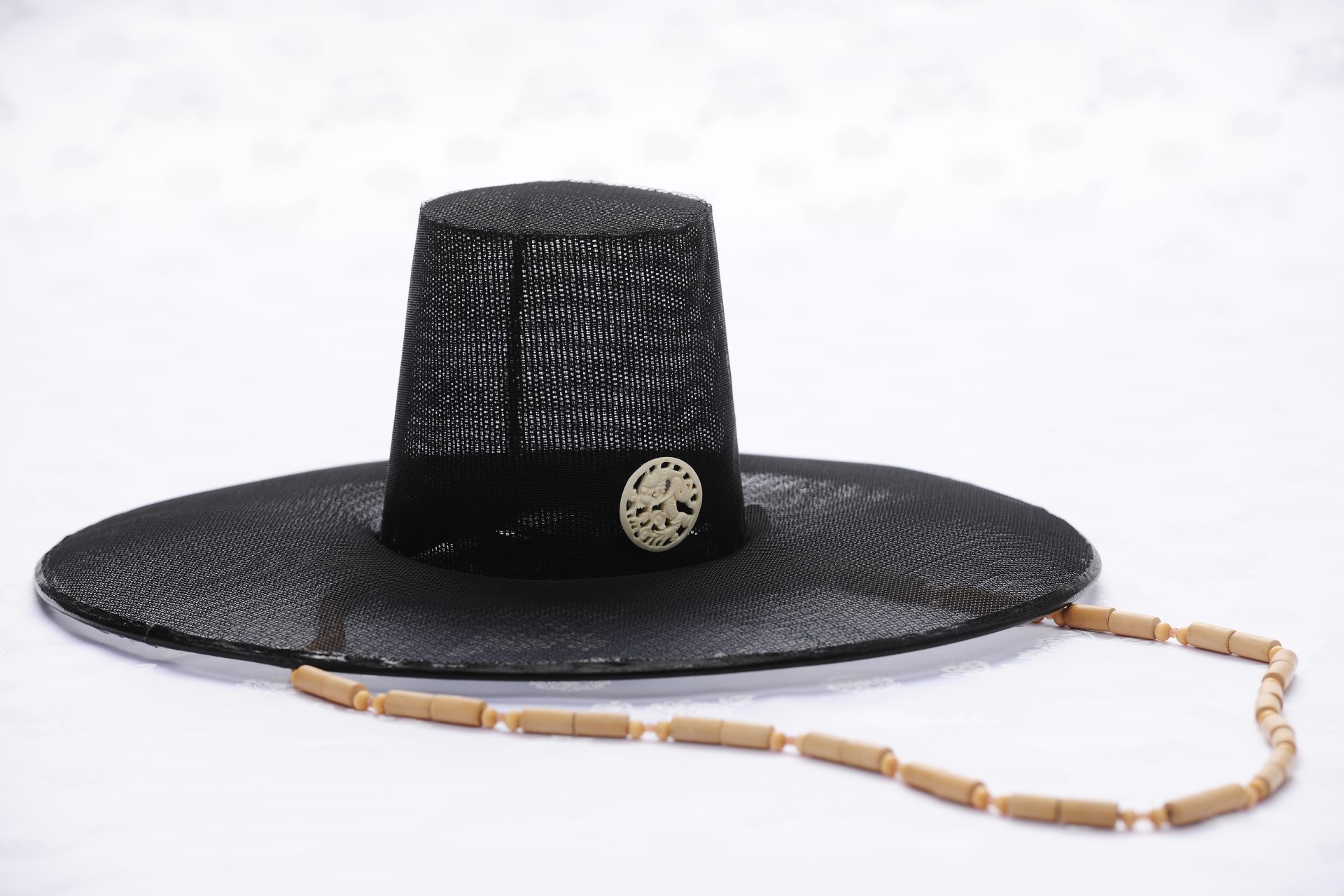
K-Pop Demon Hunters succeeded in reframing tradition for younger generations who might otherwise find it dull or difficult. Through a familiar medium, it made cultural heritage feel “hip” and “trendy.” Visiting museums became a form of play, while heritage-inspired goods turned into must-have items. This shift demonstrates that K-culture is no longer just about consuming music or film—it is evolving into an experience that embraces cultural depth and history as well.
This success offers important lessons for future content creation. Integrating traditional dance elements into K-pop performances, or weaving historical sites and artifacts naturally into the settings of K-films, will likely become even more common. K-Pop Demon Hunters has opened a new path where popular culture and traditional heritage draw strength from one another and grow together. It proves once again the cultural power of Korea, while laying the groundwork for the sustainable growth of K-culture.
The Small Spark K-Pop Demon Hunters Set in Motion
K-Pop Demon Hunters began as a single film, but it ultimately unleashed a wave of transformation across Korean society and culture. Fans were no longer satisfied with consuming only the world on screen. Instead, they sought out the real places where that world began. Along the way, once-quiet museums filled with energy and long-forgotten artifacts came alive again, shining with renewed vitality.
As such, K-Pop Demon Hunters stands as living proof of the power that emerges when K-pop, K-film, and Korea’s traditional heritage break down boundaries and create synergy. More than a passing trend, it marks an important milestone—one that points to the future direction of K-culture itself.