1. History
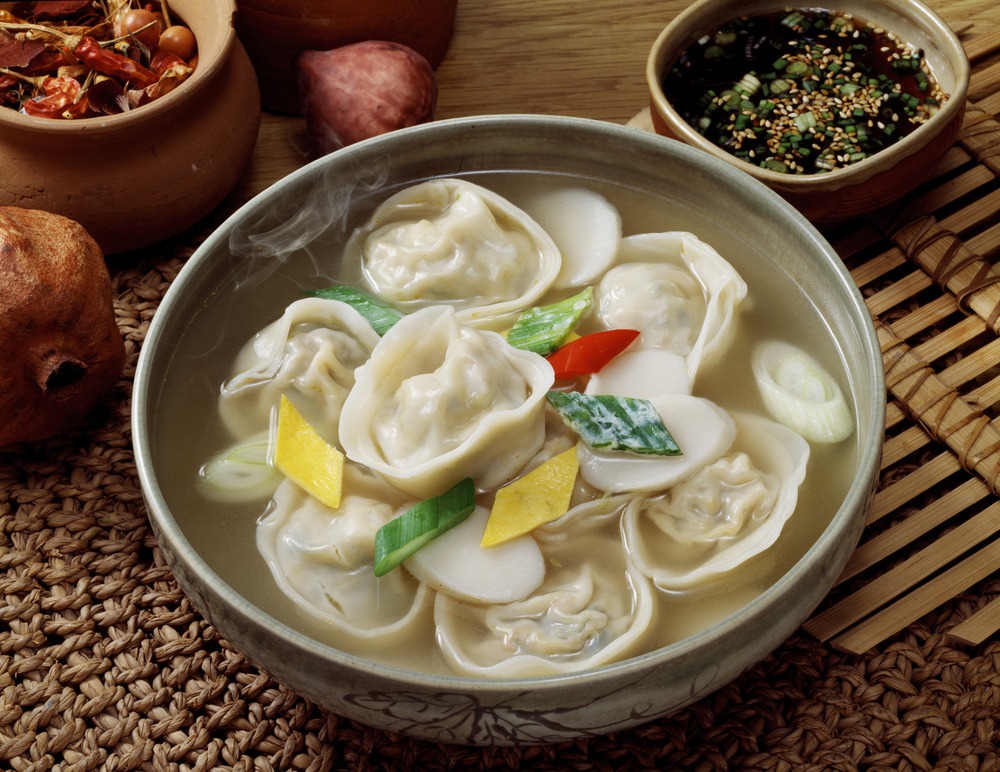
Mandu-guk, meaning “dumpling soup,” is a beloved Korean dish that combines mandu (dumplings) with a clear or milky broth.
It is believed to have been introduced to Korea from China during the Goryeo Dynasty (918–1392) through trade and cultural exchange along the Silk Road. Over time, Koreans adapted the recipe using local ingredients and lighter broths, creating a dish that reflects both foreign influence and Korean comfort food traditions.
During the Joseon Dynasty, Mandu-guk became a festive food, especially eaten on New Year’s Day (Seollal), symbolizing wealth, good fortune, and a fresh beginning — much like tteokguk (rice cake soup).
2. Origin
The dish likely originated in northern Korea, where wheat flour was more available than in the south. The cold climate encouraged dishes that could be made ahead and boiled in broth for warmth.
Today, Mandu-guk is considered both home-style comfort food and holiday cuisine, loved across the entire Korean peninsula.
3. Regional Variations
Different regions offer distinct takes on Mandu-guk:
- Seoul-style: Clear beef broth seasoned lightly with soy sauce and garnished with egg strips, seaweed, and green onions.
- Gaeseong-style (North Korean): Known for large, delicate mandu filled with beef, tofu, and mung bean sprouts — very mild and refined in taste.
- Hamgyeong-do: Uses smaller dumplings with pork and kimchi, resulting in a spicier and more robust flavor.
- Jeolla-do: Often adds tteok (rice cakes) to make a richer version called tteok-mandu-guk.
- Gangwon-do: Mountainous regions sometimes use wild herbs or potatoes in the dumpling filling.
4. Ingredients
Common components of Mandu-guk include:
- Dumplings (mandu): filled with minced meat (usually beef or pork), tofu, garlic, mung bean sprouts, chives, and sesame oil.
- Broth: made from beef bones, anchovies, or dried kelp.
- Garnish: egg strips, chopped green onion, roasted seaweed, and sometimes thin rice cakes.
- Seasoning: soy sauce, garlic, salt, and black pepper.
The flavor is mild yet rich, emphasizing clarity, balance, and texture — chewy dumplings in a warm, savory broth.
5. Cooking Method
- Prepare the dumplings (mandu): mix the filling and wrap it in thin wheat wrappers.
- Make the broth: simmer beef bones or anchovies with garlic and onion until clear and flavorful.
- Add dumplings to the boiling broth and cook until they float to the surface.
- Garnish with sliced egg, green onions, and seaweed.
- Optionally, add tteok (rice cakes) for a heartier version.
The soup is traditionally served steaming hot, often as the first meal of the lunar new year.
6. Best Drink Pairings
Mandu-guk pairs well with smooth, slightly dry beverages that complement its light broth and rich dumpling filling:
- Makgeolli (Korean rice wine): The creamy sweetness contrasts beautifully with the savory broth.
- Soju: Its clean finish balances the meat and garlic flavors.
- Cheongju (clear rice wine): A refined option often paired with celebratory meals like Seollal.
- Light lager or pilsner: Modern pairing that refreshes the palate after each bite.