
When the icy winds of winter sweep across Korea, people instinctively turn to warmth. But it’s not just about escaping the cold—it’s about finding food that nourishes both body and soul. Winter in Korea is a season defined by steaming, hearty dishes that fill the air with comfort.
There’s nothing quite like wrapping your hands around a piping hot gukbap (rice-and-soup meal) to chase away the chill, or holding a freshly baked bungeoppang (fish-shaped pastry filled with sweet red bean paste) as you stroll down a frosty street. These simple pleasures capture the essence of the season.
In this leg of our journey, we’ll dive into the hot dishes that have become Koreans’ ultimate soul foods—viewed through the eyes of visitors discovering them for the first time. Familiar yet new, humble yet profound, these flavors offer more than just a meal. They are the warm embrace that makes a Korean winter unforgettable.
Gukbap: Korea’s National Dish That Foreigners Call Legendary
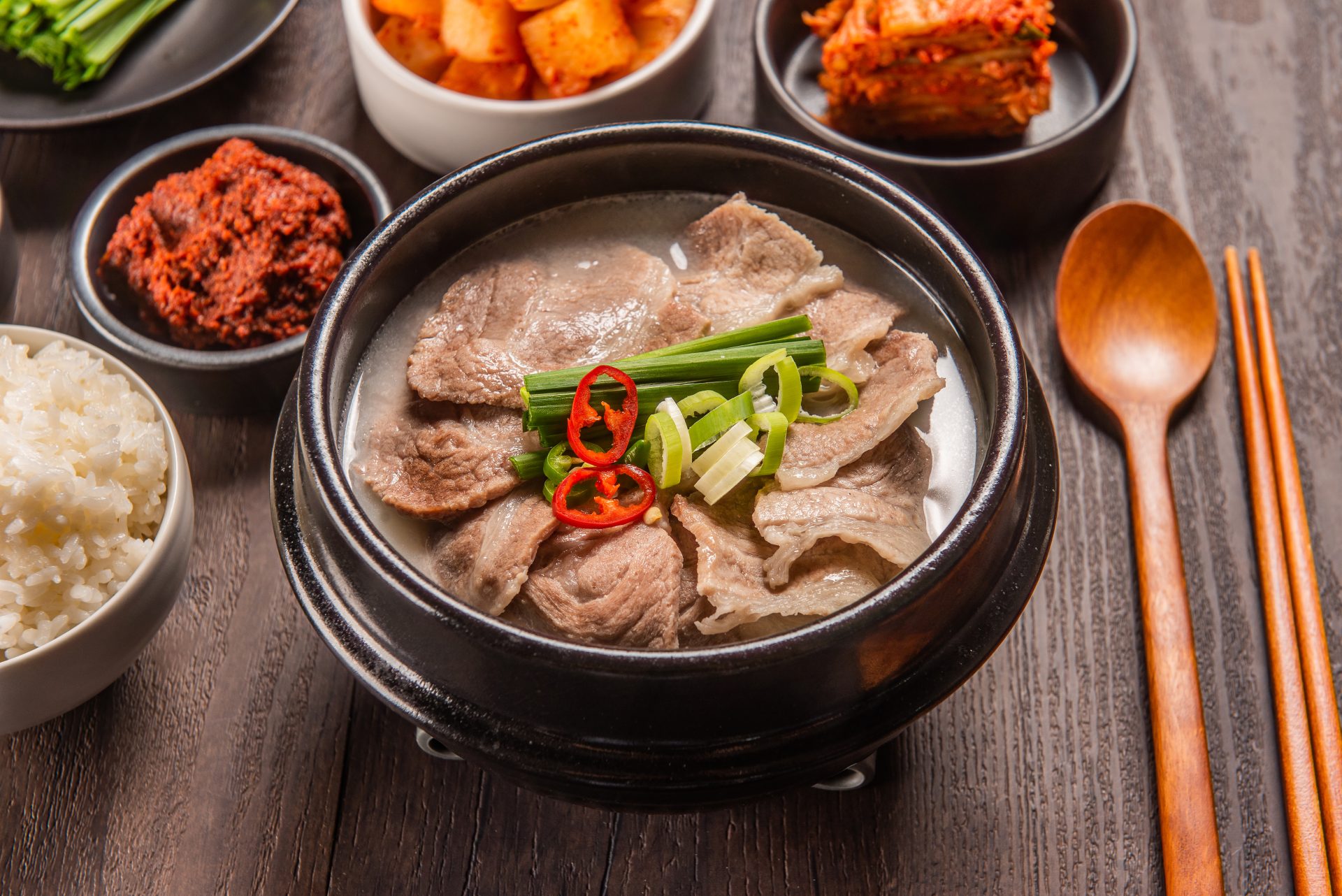
If you travel through Korea in winter, you’ll often spot a familiar scene: inside a steamy restaurant, everyone with heads bent low over a single dish. What they’re eating is gukbap.
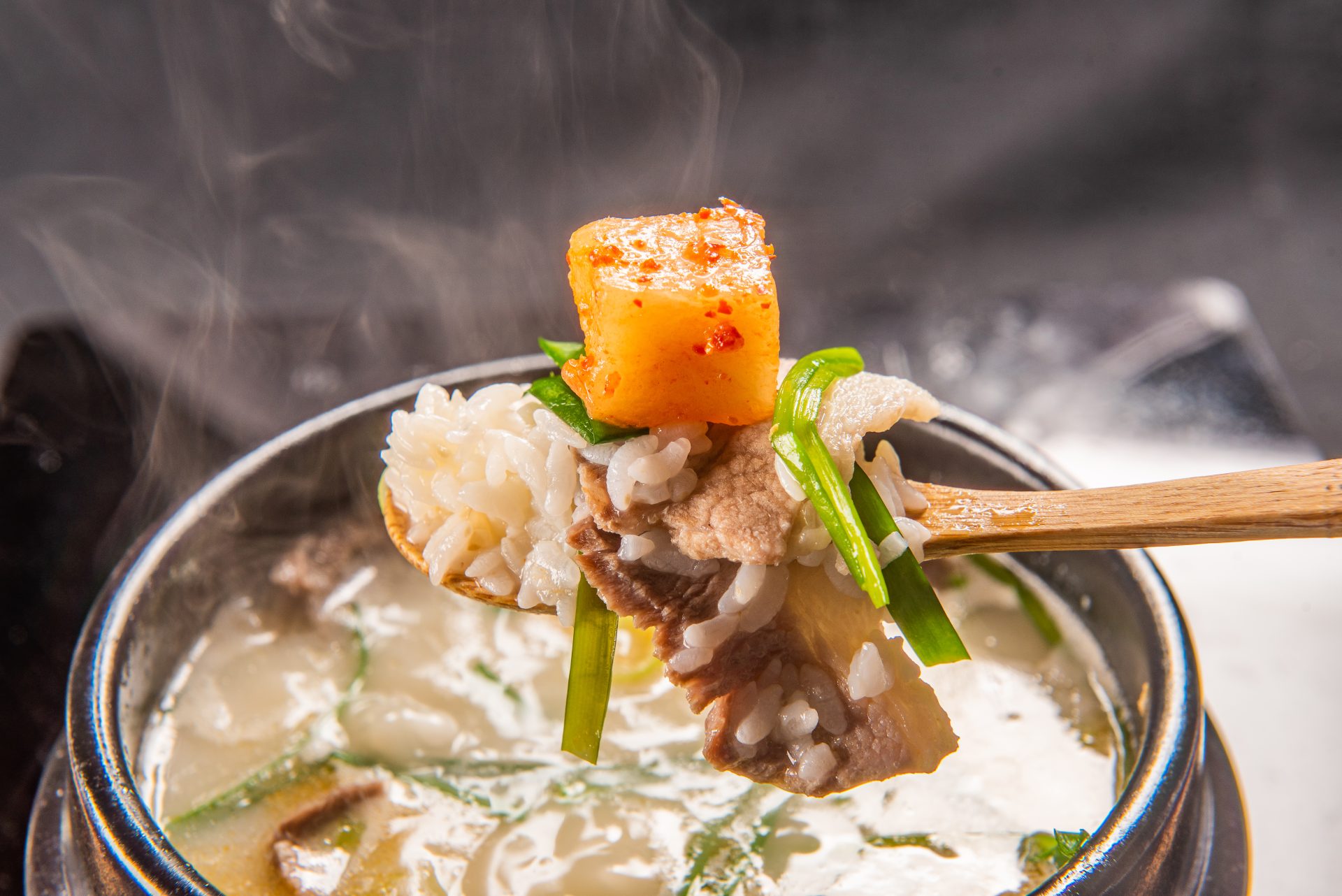
The word gukbap literally means “soup with rice,” and that’s exactly what it is—a hot bowl of broth with rice served inside. At first glance, it may look simple, even plain. Yet many foreign travelers praise it as a “must have” food and embrace it as Korea’s ultimate soul food.
Why Do Foreigners Call It a Must-Have?
• Unexpected depth of flavor: Gukbap isn’t flashy. But one spoonful reveals a broth that has been simmered for hours that is rich and layered with flavor. What looks like a humble meal becomes a surprisingly unforgettable experience.
• A DIY dining experience: When you order gukbap, it arrives with an array of side dishes and condiments—radish kimchi, cabbage kimchi, salted shrimp, and spicy seasoning paste (daedeagi). Diners season their own bowl to taste, making it milder or spicier, saltier or more refreshing. This playful “make-your-own” style adds a fresh twist for travelers.
• A window into daily Korean life: Unlike foods crafted for tourists, gukbap is woven into everyday routines. It’s the lunch of office workers, the late-night hangover cure, or a hearty family meal. Eating gukbap in a modest local shop, shoulder to shoulder with regulars, offers a slice of authenticity that no guidebook can replicate.
The Many Faces of Gukbap
Part of gukbap’s charm is its diversity. Each region, each ingredient, gives it a different character:
• Pork Gukbap (Dwaeji Gukbap) from Busan, made with pork bones simmered into a cloudy, savory broth with slices of tender meat.
• Sundae Gukbap, featuring Korean blood sausage (sundae) and offal, bold and spicy, often enjoyed as a hangover cure.
• Seolleongtang, common in Seoul and Gyeonggi, with a clear, delicate beef bone broth simmered for hours.
• Kongnamul Gukbap, a bean sprout soup with rice, beloved for its refreshing taste that soothes the soul.
• Galbitang, a rib soup rich with beef flavor, popular among international visitors for its hearty depth.
More Than a Meal
Gukbap, at its core, is about warmth and comfort. On a cold day, one spoonful of steaming broth can thaw your bones and lift your spirits. For a solo traveler, it feels like a loyal companion. For a group, it becomes a shared bond at the table.
Humble yet profound, gukbap carries the essence of Korean hospitality. It’s a dish that embraces you with warmth, offering both flavor and a sense of belonging. That is why, to so many travelers, gukbap is a requirement on and winter Korean culinary journey.
Bungeoppang: Red Bean or Custard—That Is the Question
It’s a cold winter’s day in Korea and you catch a whiff of something sweet and nutty drifting through the frosty air. Chances are it’s bungeoppang. Shaped like a fish, but filled with sweetness instead of seafood, this iconic street snack is one of the most beloved symbols of Korean winter. And don’t worry—despite the name, there’s no fish inside. The resemblance ends with its golden, fish-shaped mold.
Bungeoppang is a slice of nostalgia, a taste of romance. You’ll often find long lines forming in front of street vendors, where people clutch paper bags filled with the freshly baked treats, warming their hands while the steam rises into the cold night. Bite into one, and you’ll experience the perfect contrast: crisp on the outside, soft and warm inside, filling your mouth with comfort.
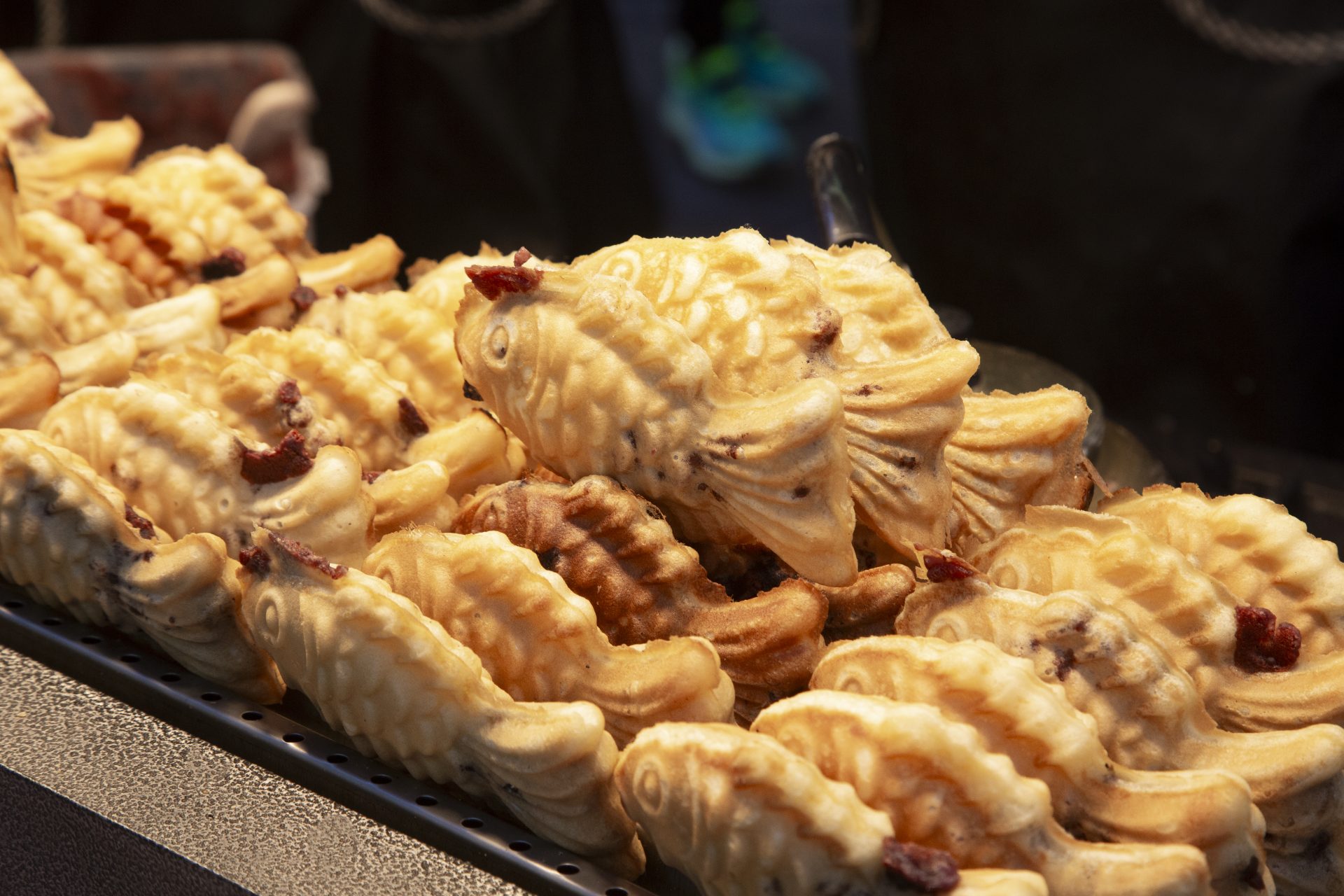
Here in Korea, the true debate begins once you choose your filling: red bean or custard?
• Pat-Bung (Red Bean): The original and most traditional version, stuffed with sweet red bean paste. It’s hearty, nutty, and deeply satisfying—the “classic” for those who value tradition and authenticity.
• Shu-Bung (Custard): A modern twist for those who prefer something creamier. Filled with smooth, sweet custard cream, it offers a lighter, melt-in-your-mouth experience that surprises first-time tasters.
And the story doesn’t end there. Today, bungeoppang continues to evolve—mini versions, and even bold variations filled with sweet potato, cheese, chocolate, or pizza toppings. No matter the flavor, a warm bag of bungeoppang is the quintessential way to enjoy winter in Korea—an edible memory that engages all five senses.
Roasted Sweet Potatoes: The Scent of Winter Nostalgia
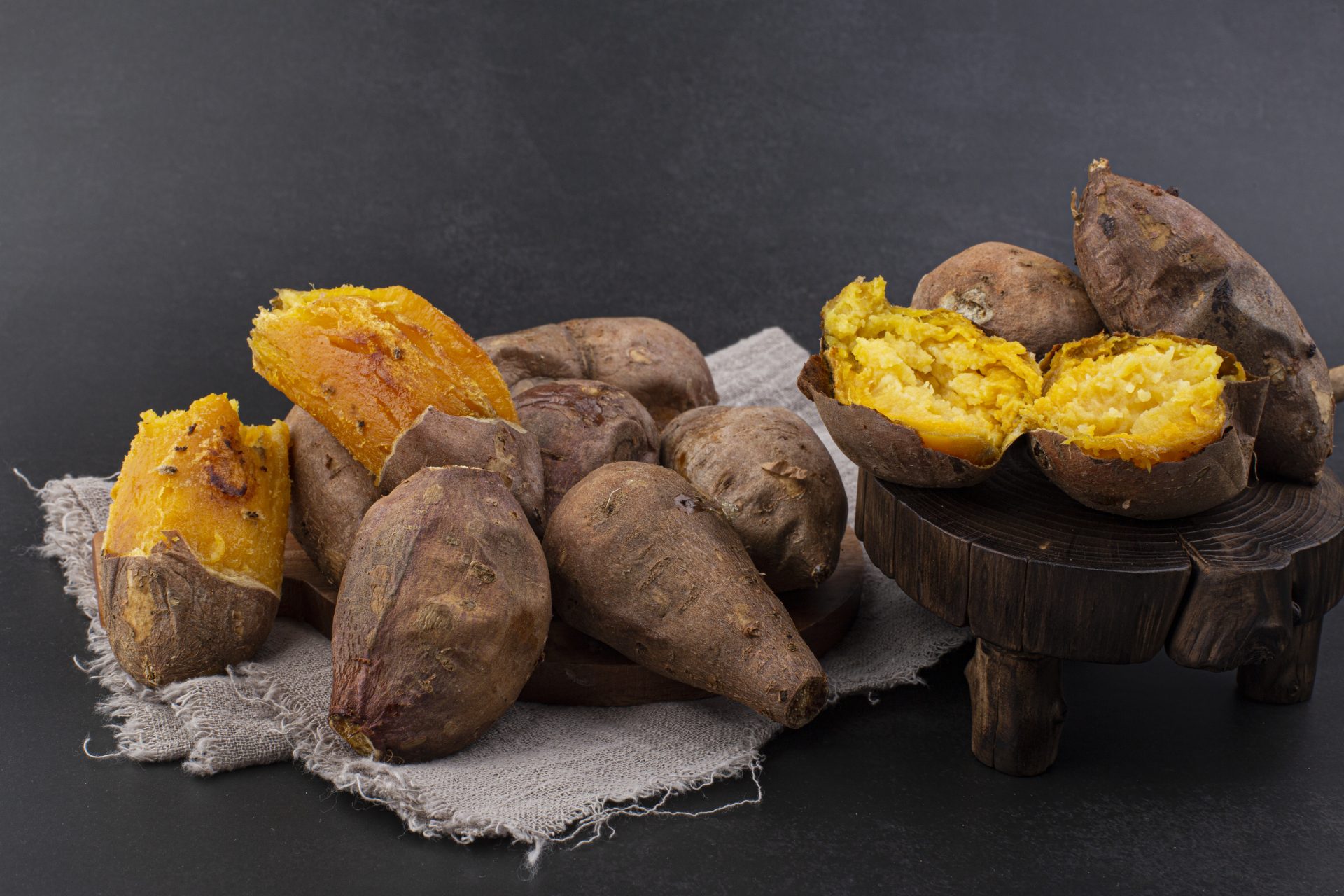
On a Korean winter night, you may find yourself following a warm, toasty aroma drifting through the cold air—only to discover a street vendor roasting sweet potatoes in a steel drum or on a hot plate. This is the beloved gun-goguma, or roasted sweet potato.
There’s no complicated recipe here. A well-ripened sweet potato, baked slowly over gentle heat, is all it takes. Yet, the flavor hidden in this simplicity is extraordinary. The charred skin gives way to a golden, honey-like flesh. It’s soft, moist, and bursting with natural sweetness in every bite.
The magic lies in the slow roasting process. As the sweet potatoes cook over steady heat, their starches transform into sugars, producing a depth of sweetness and a chewy texture that steamed potatoes simply cannot match. This winter snack is so iconic that many Korean households own special roasting pots or small machines just for making it at home. For families, gun-goguma is more than snack—it is a seasonal tradition whose nostalgic and heartwarming charm is quintessential to the Korean winter scene. Handing a paper bag filled with them to a friend or loved one captures the essence of jeong, the uniquely Korean spirit of affection and connection.
For Koreans, the smell alone evokes childhood memories. For travelers, it brings a sense of comfort and intimacy in a foreign land. Under the soft glow of streetlights, holding a freshly roasted sweet potato becomes an unforgettable experience—one that fills both body and soul with warmth and adds a sweet note of nostalgia to any winter journey through Korea.
A Winter Journey Through Flavor
We’ve traveled through Korea’s winter in the warmest and most delicious way— from the dazzling Strawberry Siru Cake and the surprising charm of the Vegetable Bread, to steaming bowls of gukbap, to golden bungeoppang, and to the roasted sweet potatoes that awaken nostalgia. Each of these foods are vessels of Korean culture, emotion, and heartfelt warmth.
For Koreans, winter food is almost like a ritual—something that restores vitality, helps endure the cold, and brings loved ones together around a shared comfort. For travelers, these dishes become discoveries. At first, they are unfamiliar ingredients and methods, but soon become cherished memories of kindness and connection.
Through this issue, we hope the flavors you encounter will let you feel and fall in love with Korea’s winter in its truest form. May the tastes, scents, and moments linger in your memory as vividly as the snowy landscapes captured in your camera.
Because in the end, Korea’s winter will be remembered not only by how it looks,
but by how it tastes.