1. History
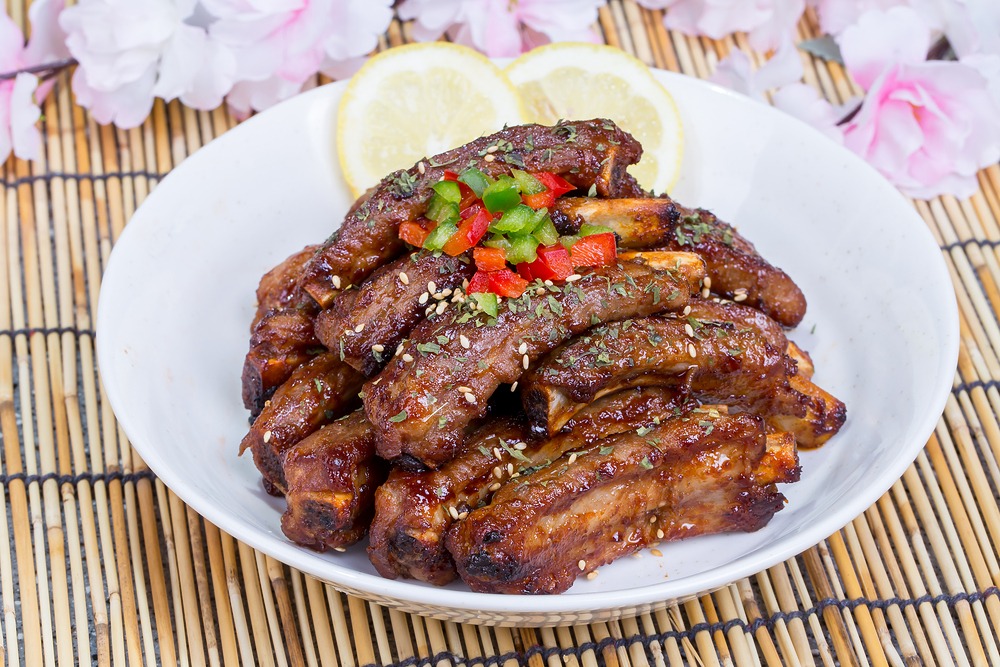
Galbi-jjim, meaning “braised ribs,” is a traditional Korean dish that dates back to the Joseon Dynasty (1392–1897).
Originally served at royal banquets and special family celebrations, the dish symbolized luxury because beef was rare and expensive in pre-modern Korea. Over time, it became a representative holiday food, commonly enjoyed during Chuseok (harvest festival) and Seollal (Lunar New Year).
Its long, slow cooking method reflects the Korean culinary value of patience and depth of flavor, transforming tough short ribs into tender, flavorful meat.
2. Origin
Galbi-jjim originated in Seoul, where court cuisine emphasized refined presentation and balanced sweetness.
As the dish spread beyond the royal court, regional cooks adapted it using local ingredients — sometimes replacing beef with pork or adding extra vegetables.
Today, it’s a comforting family dish served across Korea, blending royal heritage with home-style warmth.
3. Regional Variations
- Seoul-style: The most classic version — tender beef short ribs simmered in a mildly sweet soy sauce broth with radish, carrots, jujubes, and chestnuts.
- Gyeongsang-do (southeastern Korea): Slightly saltier, less sweet, and sometimes includes spicy chili for heat.
- Jeolla-do (southwestern Korea): Rich and deeply flavored, often with additional ingredients like shiitake mushrooms and more soy-based sauce.
- Gangwon-do: Uses both beef and pork, reflecting the mountainous region’s limited access to cattle.
- Modern fusion: Chefs may use wine or fruit purees (pear, apple) to tenderize and naturally sweeten the meat.
4. Ingredients
Typical components include:
- Beef short ribs (galbi) — the centerpiece ingredient, prized for tenderness and marbling
- Vegetables: Korean radish (mu), carrots, onions, mushrooms
- Seasonings: soy sauce, sugar, garlic, ginger, sesame oil, black pepper
- Optional garnishes: jujubes (dates), chestnuts, and pine nuts for a festive touch
The combination produces a deep, savory-sweet flavor with a glossy, caramelized sauce.
5. Cooking Method
- Soak and blanch the ribs to remove excess blood and impurities.
- Simmer the ribs gently with soy sauce, garlic, ginger, sugar, and vegetables.
- Add aromatics like jujubes and chestnuts halfway through cooking.
- Reduce the sauce until it thickens and coats the ribs with a shiny glaze.
- Serve hot, often topped with sesame seeds or shredded egg garnish.
The slow-braising process tenderizes the meat while infusing it with deep umami and sweetness.
6. Best Drink Pairings
Galbi-jjim’s rich, sweet-savory sauce pairs beautifully with smooth and aromatic drinks:
- Baekseju (herbal rice wine): Enhances the dish’s sweetness and aromatic spices.
- Soju: The crisp, clean taste cuts through the richness of the sauce.
- Makgeolli (rice wine): A creamy, tangy complement to the braised flavor.
- Red wine: Medium-bodied wines like Merlot or Shiraz pair well with the soy-based glaze.
- Cheongju (clear rice wine): A refined pairing for formal meals and holidays.