Welcome travelers to the Winter 2025 issue of our magazine! Imagine crisp air that seeps to your bones, pure white snow blanketing the land, and the warmth of Korean hospitality wrapping around you like a soft quilt. Together, these elements create an experience that is both exhilarating and deeply comforting.
For many, Korea is synonymous with the vibrant rhythms of K-pop, the bustling streets of Seoul, or the quiet elegance of ancient palaces. While all of these define the nation’s identity, Korea in winter reveals another dimension— one that is serene, majestic, and utterly captivating. So, pack your warmest coat, open your heart, and join us on a journey to discover the magic of a Korean winter.
The Magic of Snow and Tradition
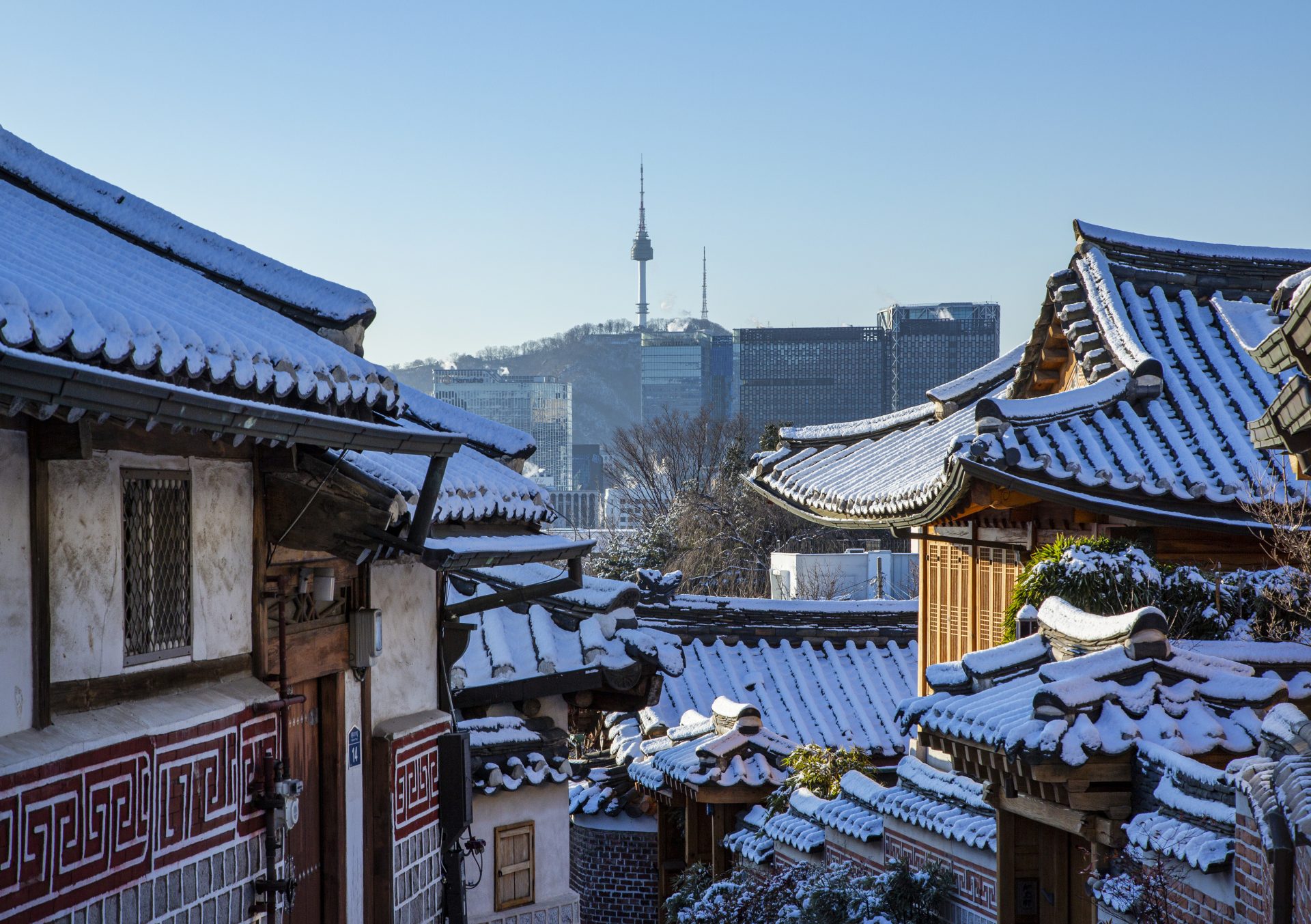
The most striking feature of a Korean winter is the snow—not simply falling but transforming the scenery into living works of art. Picture traditional hanok villages with curved tiled roofs gently capped with snow, or mountaintops blanketed in white silence. It is in these moments that nature and heritage harmonize to showcase Korea’s unique seasonal beauty.
One of the most iconic sights is Jeonju Hanok Village. Popular year-round, the village feels timeless under a layer of snow. Wander its quiet alleyways, stay in a traditional guesthouse, and savor the aroma of sizzling Jeonju bibimbap, wafting from nearby restaurants—an experience that blends peace and wonder.
For those seeking romance, Nami Island is a must. Famous for its towering metasequoia-lined paths, the island transforms into a fairytale world in winter. The bare branches dusted with snow against a brilliant blue sky make it an ideal place for leisurely walks and unforgettable photos.
Thrills of Winter Sports and Adventure
If you crave adrenaline, Korea is a hidden gem for winter sports. Though not as globally renowned as the Alps, the country boasts world-class ski resorts suited for every skill level.
Yongpyong Resort, often called the “Alps of Korea,” is a premier destination. As a main venue of the 2018 PyeongChang Winter Olympics, it offers top-notch facilities. With dozens of slopes and diverse courses, it caters to both beginners and seasoned skiers. Snowboarding, sledding, and snow tubing add even more excitement to a day on the mountain.
Vivaldi Park Ski World is another excellent choice, especially for day trips from Seoul. Known for its “Snowy Land” theme park, it features beginner-friendly zones as well as challenging slopes. Night skiing here is an unforgettable experience—gliding down illuminated trails beneath a starlit sky feels truly magical.
However, winter adventures aren’t limited to skiing. You can also try ice fishing, a beloved Korean winter pastime. The Pyeongchang Trout Festival is one of the most famous events. Here, visitors sit on a frozen river, drill small holes in the ice, and patiently wait for trout to bite. It’s a serene and unique way to experience Korea’s natural beauty in winter.
Warm Comforts and Seasonal Flavors
After a day in the cold, nothing compares to the warmth of hearty food and cozy spaces. Korean winter cuisine is a feast of flavors that both nourish and comfort.
Begin with a steaming bowl of tteokguk, a traditional rice cake soup enjoyed during Lunar New Year. Thinly sliced rice cakes float in a clear beef broth, topped with seaweed and egg garnish—a dish that offers both heritage and home-cooked warmth.
Don’t miss hotteok, one of Korea’s most popular winter street foods. These small pancakes are filled with a sweet mixture of brown sugar, cinnamon, and nuts, that is then pan-fried to a golden crisp. With every bite, warm, sweet flavors ooze into your mouth—irresistibly delicious.
For a more indulgent meal, seek out dolsot bibimbap. Served in a sizzling stone pot, rice and colorful vegetables continue to cook at your table, forming a crispy golden crust at the bottom. It’s a sensory experience of sight, sound, aroma, and flavor, leaving lasting satisfaction.
Winter Festivals and Seasonal Delights
Cold weather doesn’t dampen Korea’s festive spirit—it only heightens it. From dazzling light shows to cultural celebrations, winter is full of energy and wonder.
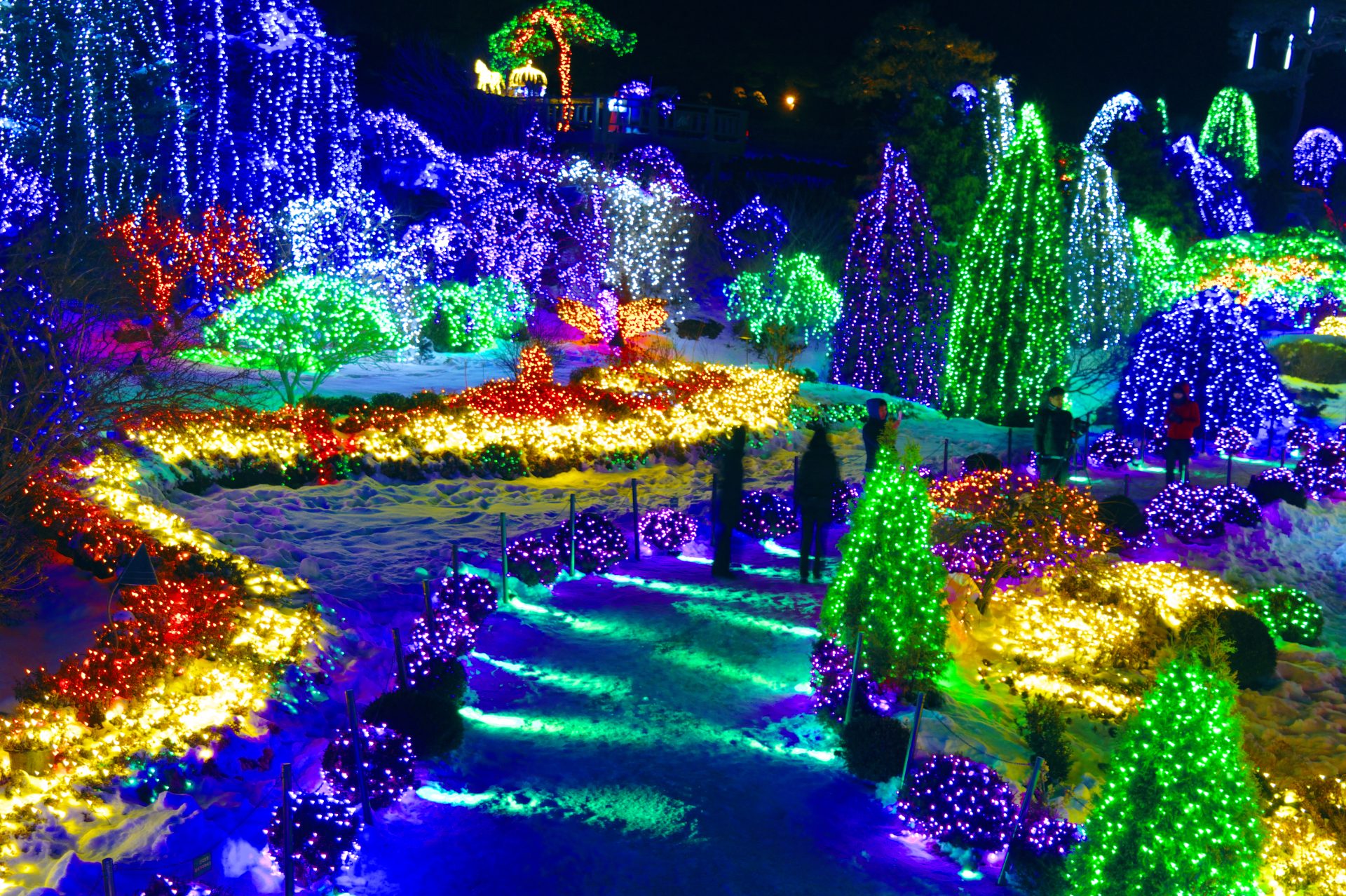
The Garden of Morning Calm in Gyeonggi Province hosts the annual Lighting Festival, where thousands of LEDs transform the gardens into a glowing wonderland. The luminous sculptures highlight the natural beauty of trees and flowers, creating a breathtaking visual spectacle.
In Seoul, the Seoul Winter Festa lights up landmarks such as Gwanghwamun Square, Dongdaemun Design Plaza, and Cheonggyecheon Stream. Towering lanterns in the shapes of hanbok or mythical creatures float on water, reflecting Korea’s rich cultural heritage in spectacular fashion.
For a more traditional celebration, visit the Daegwallyeong Snow Festival or the Taebaeksan Snow Festival in Gangwon Province. These events showcase massive snow and ice sculptures crafted by local artists, alongside traditional winter games and mountain scenery blanketed in white.
Winter Fashion and Shopping
Korean winter style is more than staying warm—it’s about looking chic while doing so. Koreans are masters of layering, and city streets become a runway of sleek, yet practical outfits.
The quintessential item is the padded jumper, available in every shape, size, and color—from minimalist slim fits to oversized, puffy designs. It’s warm, versatile, and a must-have.
Add thick knit sweaters, stylish scarves, and wool coats to your wardrobe, and explore shopping districts like Myeongdong and Hongdae for the latest winter trends. From high-end designer labels to affordable local boutiques, the options are endless.
Don’t forget accessories! Earmuffs, gloves, and thick wool socks not only provide warmth, but also add a playful touch of color. Plus, they make perfect souvenirs.
Travel Tips: Weather and Essentials
Korea’s winter can be harsh, so preparation is key to enjoying your trip.
Weather:
• December: -5°C to 5°C (23°F to 41°F), generally clear and dry with higher snowfall in the north and mountains.
• January: The coldest month, with temperatures often dropping below -10°C (14°F).
• February: Slightly warmer, but still cold, averaging -3°C to 5°C (27°F to 41°F).
What to Pack:
• Outerwear: A high-quality long padded jacket, preferably waterproof.
• Layers: Thermal underwear, long-sleeved shirts, wool or fleece sweaters, and scarves.
• Pants: Fleece-lined trousers or jeans with thermal leggings.
• Footwear: Waterproof boots with good traction for icy conditions.
• Accessories: Warm hats, scarves, and gloves to protect against biting winds.
• Skincare: Moisturizer, lip balm, and hand cream to combat dryness.
• Portable charger: Cold weather drains phone batteries quickly—extra power is a lifesaver.
Embracing the Spirit of a Korean Winter
Ultimately, the magic of a Korean winter lies not just in its landscapes, food, or festivals, but in its atmosphere. It’s about sharing warm meals with loved ones and finding beauty in the stillness of the season.
Don’t just sightsee—immerse yourself. Visit a local jjimjilbang (Korean sauna) for the ultimate relaxation, or sip on a steaming cup of yuzu or ginger tea in a traditional teahouse. Strike up conversations with locals; Koreans are known for their warmth and will happily share their country’s spirit with you.
Winter in Korea is more than a trip—it’s an experience that lingers long after you’ve returned home. It’s finding comfort in the cold, beauty in the quiet, and warmth in human connection. Come, and let the magic of a Korean winter captivate you.
Source:
- Korea Tourism Organization website – korean.visitkorea.or.kr
- Korea Meteorological Administration website – www.weather.go.kr
- Pyeongchang County Office website – www.pc.go.kr